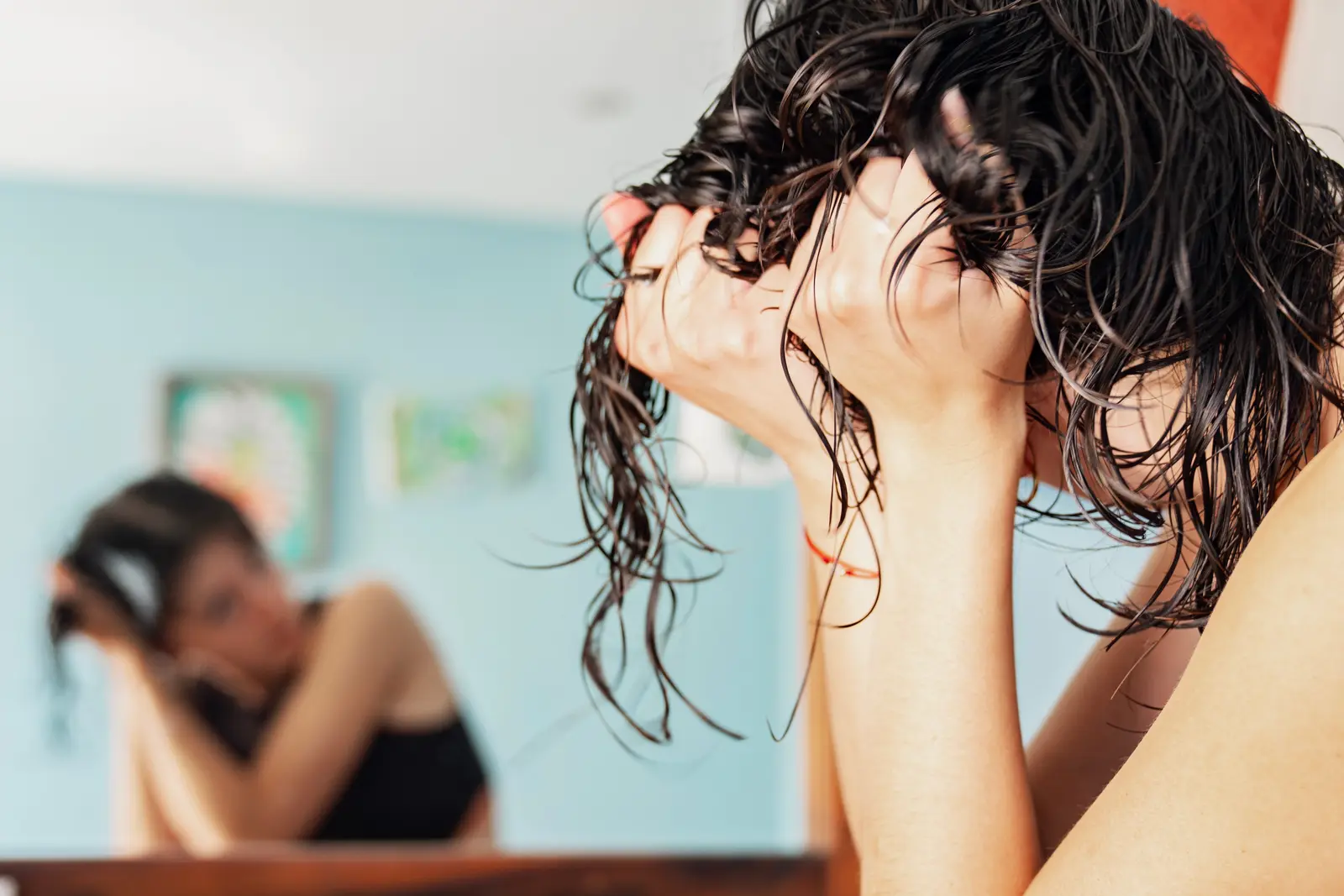
Bond‑Repair Hair Products: Quick Fix or Long‑Term Solution?
How Bond‑Repair Works and What It Actually Does
A growing number of salons are offering bond‑repair treatments that promise to mend split ends and restore shine. These treatments, often marketed as „overnight miracles,” are gaining popularity among consumers who want to revive damaged hair quickly.
Breaking News
 Hollywood Elite Honor Carpenter, Theron, and Domingo at Academy Museum Gala
 The Next Generation of Collagen: Small Peptides, Big Claims
 The Impending Rise of Cobalt Blue in 2027 Fashion
 The Secret to a Flawless Autumn Complexion is Sunscreen Layering
Bond‑repair products contain ingredients that aim to rebuild the hair’s protein structure. They are applied during a heat‑based process that allows the molecules to penetrate deeper into the shaft. Many users report smoother texture and reduced frizz after a single session. However, the benefits are typically short‑term, and the products do not replace regular care.
Is It Worth the Investment? A Question for Every Hair Care Budget
The science behind bond‑repair lies in strengthening the disulfide bonds that give hair its strength. When hair is damaged by heat, chemicals, or environmental stress, these bonds break. Bond‑repair formulas use polymers and proteins to temporarily bridge the gaps. The heat helps the ingredients to lock into place. After the treatment, hair feels softer and looks shinier.
But the repair is not permanent. Once the heat and conditioning cycle ends, the bonds can re‑break if the hair is exposed to further stress. Studies show that the improvements fade within a few weeks unless the hair is protected by a proper routine. Therefore, bond‑repair should be seen as a boost rather than a cure.
The Bottom Line: Temporary Fix, Long‑Term Care
Consumers often wonder if they should pay for a salon session or invest in at‑home kits. Professional treatments cost between $150 and $300, while at‑home kits range from $30 to $80. The decision hinges on hair type and damage level. Curly or chemically treated hair may benefit more from a salon‑based approach because the heat can be controlled precisely. Straight hair that is only mildly damaged might see similar results from a high‑quality at‑home product.
Experts advise that bond‑repair is most effective when combined with a consistent maintenance routine. This includes using sulfate‑free shampoos, deep conditioning once a week, and minimizing heat styling. Without these steps, the hair’s natural structure will not support the temporary bonds created by the treatment.
Frequently Asked Questions
Bond‑repair treatments can provide an immediate visual improvement, but they do not eliminate the need for ongoing care. Hair that is severely damaged may require multiple sessions and a comprehensive care plan. Those looking for a quick solution should set realistic expectations and prepare to maintain the results with proper products and reduced heat exposure.
In the future, new formulations may offer longer lasting benefits, but for now, bond‑repair remains a short‑term aid rather than a permanent solution.