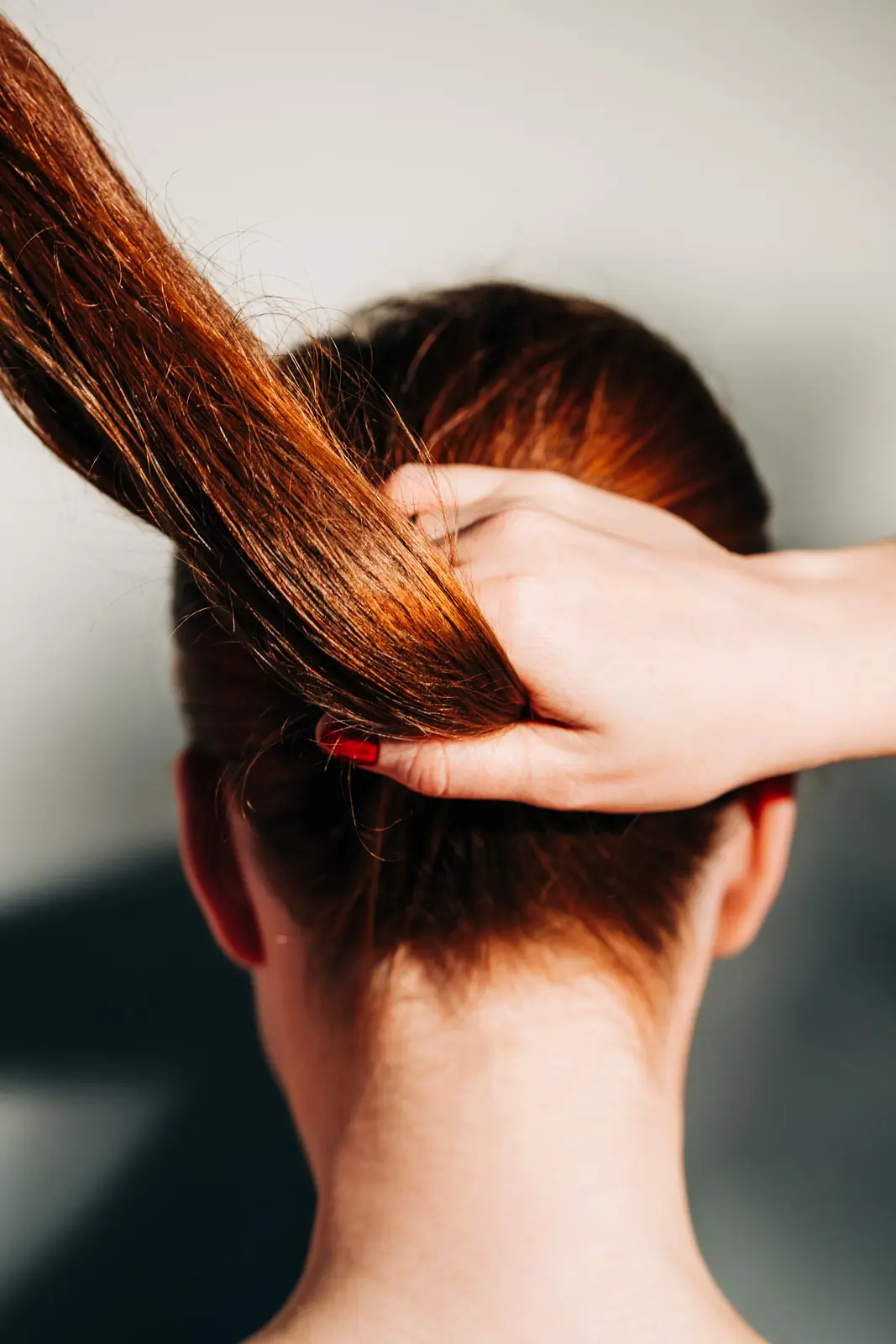
Dry Conditioning: A New Way to Boost Hair Shine and Color Longevity
Why Stylists Say Dry Conditioning Extends Color Vibrancy
A new hair‑care technique called „dry conditioning” is gaining traction among stylists and salon clients across the United States. The method, championed by New York‑based stylist Xavier Velasquez, involves applying a lightweight conditioner to dry hair after washing. Velasquez says the practice helps lock in moisture, preserve vibrant dye, and leave strands looking smoother and shinier. The trend has spread through social media tutorials and word‑of‑mouth recommendations since early 2025, and salons are now offering it as a standard post‑wash step.
Breaking News
 Hollywood Elite Honor Carpenter, Theron, and Domingo at Academy Museum Gala
 The Next Generation of Collagen: Small Peptides, Big Claims
 The Impending Rise of Cobalt Blue in 2027 Fashion
 The Secret to a Flawless Autumn Complexion is Sunscreen Layering
Dry conditioning differs from traditional rinsed‑out treatments by targeting the hair shaft while it is still dry, allowing the product to sit longer without being diluted. Velasquez explains that the technique reduces the risk of color fade because the conditioner forms a protective barrier that shields cuticles from environmental stressors. He also notes that the method works best with silicone‑free formulas that absorb quickly, preventing a greasy feel. Early adopters report that their curls stay defined longer and that the hair feels softer after each application. The approach aligns with a broader shift toward minimalist routines that prioritize product efficiency over multiple washing cycles.
Velasquez points out that dyed hair is especially prone to losing its intensity after repeated washes. By applying conditioner to dry strands, the product adheres directly to the cuticle, sealing in pigment molecules. „When the hair is wet, the cuticle opens and color can leach out,” he says. „A dry application keeps the cuticle closed, acting like a lock for the dye.” Salon surveys conducted in 2025 show that clients who use dry conditioning report up to a 30 % longer interval between touch‑ups. The technique also reduces the need for heavy, oil‑laden conditioners that can weigh down fine hair, making it suitable for a wide range of textures.
Can Dry Conditioning Replace Traditional Deep‑Conditioning Treatments?
Some experts caution that dry conditioning is not a universal substitute for deep conditioning masks. Dermatologist‑hair specialist Dr. Lena Ortiz notes that while the method improves surface smoothness, it does not penetrate the hair shaft as thoroughly as a heat‑activated mask. „For severely damaged hair, a weekly deep‑conditioning session still provides essential repair,” she explains. However, for everyday maintenance, dry conditioning offers a quick, low‑effort alternative that fits busy lifestyles. Consumers are encouraged to alternate the two methods, using dry conditioning on most days and reserving deep treatments for once a week or after chemical processes.
The rise of dry conditioning reflects a growing consumer desire for streamlined beauty routines that deliver visible results without extensive product stacks. As more stylists adopt the practice, manufacturers are launching new „dry‑conditioner” sprays and powders designed for quick, mess‑free application. If the trend continues, it could reshape how salons structure their service menus and how consumers think about hair health, emphasizing preventative care over corrective fixes.
Frequently Asked Questions
Is dry conditioning suitable for all hair types? Yes, but the formula choice matters. Lightweight, silicone‑free conditioners work well on fine or oily hair, while richer, protein‑infused versions benefit curly or coarse textures.
How often should I dry condition my hair? Most users apply it after every wash, or on non‑wash days to refresh moisture and protect color. Overuse can lead to buildup, so occasional clarifying shampoos are recommended.
Will dry conditioning make my hair greasy? If you select a product formulated for dry use and apply a small amount, the hair should feel soft, not oily. Over‑application or using heavy creams can cause greasiness.