For Healthy Hair Growth, Wash Your Hair the Japanese Way
Experts note that this approach minimizes breakage and supports a balanced
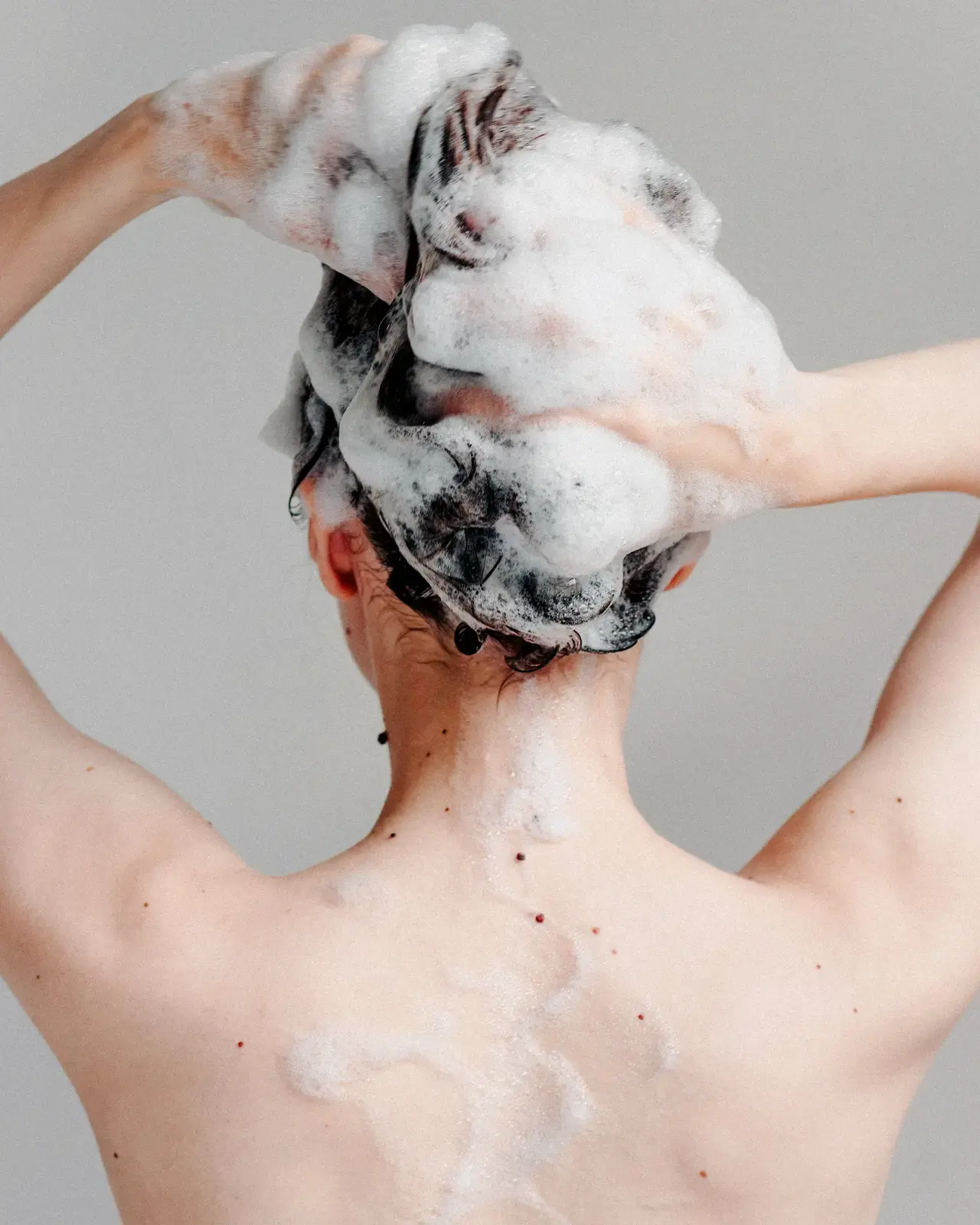
A simple hair-washing technique from Japan is gaining attention for its potential to support healthier, stronger hair growth. This method, shared by wellness experts, focuses on gentle cleansing and scalp stimulation using common household items. It requires no special products and can be easily added to a regular hair care routine. The practice emphasizes mindful washing to avoid damage while encouraging circulation. The technique involves using lukewarm water and massaging the scalp with fingertips in slow, circular motions before applying shampoo. This pre-wash step helps loosen dirt and oils without harsh scrubbing. Shampoo is then applied only to the roots, not the ends, to prevent over-drying. Rinsing thoroughly with cool water follows to seal the hair cuticle and reduce frizz.
Breaking News
 Hollywood Elite Honor Carpenter, Theron, and Domingo at Academy Museum Gala
 The Next Generation of Collagen: Small Peptides, Big Claims
 The Impending Rise of Cobalt Blue in 2027 Fashion
 The Secret to a Flawless Autumn Complexion is Sunscreen Layering
Experts note that this approach minimizes breakage and supports a balanced scalp environment. Why Scalp Massage Matters Before Washing Massaging the scalp before shampooing increases blood flow to hair follicles, which may deliver more nutrients and oxygen. This stimulation is believed to create better conditions for hair growth over time. Unlike aggressive washing, this method avoids stripping natural oils that protect the hair shaft. The Japanese approach treats hair care as a ritual, not just a chore, promoting consistency and mindfulness. Many who try it report less shedding and improved texture within weeks. How Often Should You Try This Method? For best results, practitioners recommend using this technique two to three times per week, depending on hair type and lifestyle. Those with oily scalps may benefit from more frequent sessions, while dry or curly hair types might prefer less. Consistency is key, as effects build gradually with regular practice.
It’s advised to pair the method with a mild, sulfate-free shampoo to maintain scalp health. Over time, users often notice reduced need for styling products due to improved natural shine. Frequently Asked Questions Do I need special tools or products for this method? No, the technique only requires your fingertips, lukewarm and cool water, and your regular shampoo. No brushes, combs, or special treatments are needed to begin. Can this help with hair thinning or loss? While not a cure, improved scalp circulation may support follicle health and reduce breakage-related thinning. It works best as part of a broader hair care routine focused on gentle handling. Is this suitable for colored or chemically treated hair? Yes, the gentle nature of the method makes it safe for treated hair, as it avoids harsh rubbing and excessive heat that can fade color or weaken strands.