How to Keep Curtain Bangs and Long Layers Looking Balanced
Why Curtain Bangs Can Look Uneven
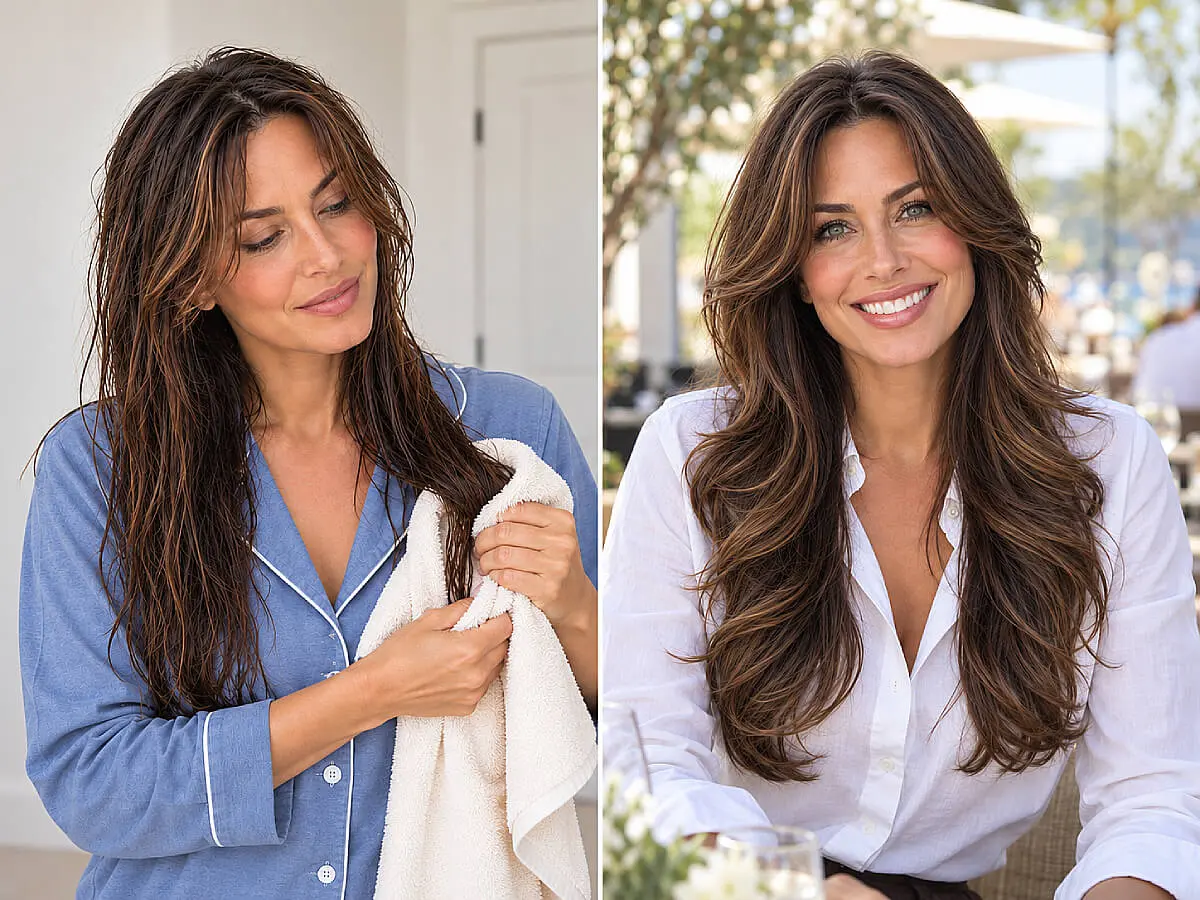
A 44‑year‑old woman from New York recently cut curtain bangs and long layers that fall below her shoulders. The cut was praised at the salon, where the bangs curved gracefully to the sides. At home, however, one side drapes over her eye while the other flares outward like a wing, and the rest of her hair feels heavy and straight even when curled.
Breaking News
 Google's 2026 Holiday 100: The Viral Beauty Products Everyone Is Searching For
 Winter 2027 pedicure trends favor bold, warm tones over neutral shades
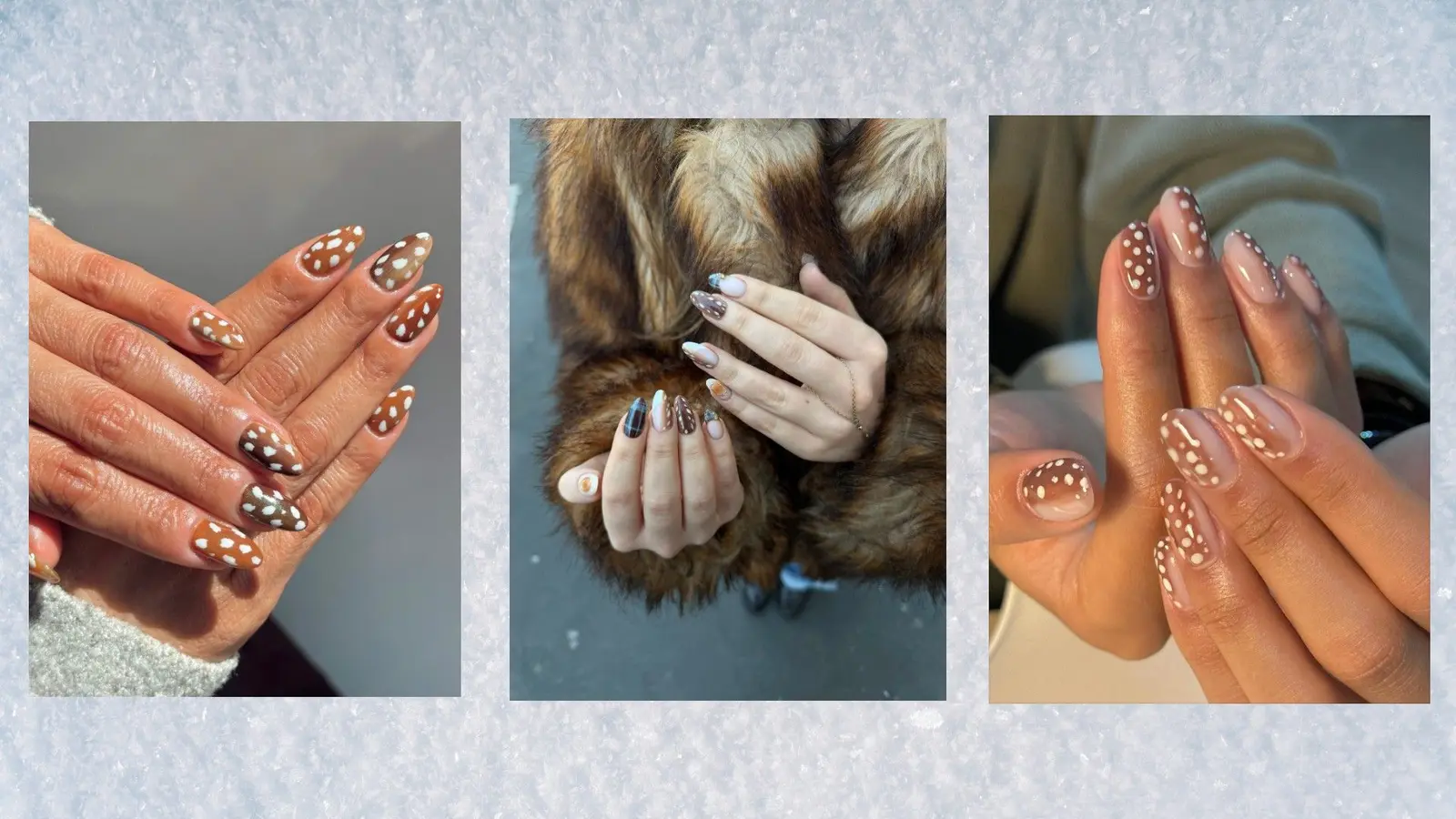 Animal Prints Make a Stylish Comeback on Winter Nails
 Best Beauty Gifts That Will Actually Get Used
The client’s frustration highlights a common issue with this style. Curtain bangs are designed to be soft and feathered, blending into longer layers for a cohesive look. When the hair is too thick or unevenly cut, the bangs can become unbalanced, causing one side to hang too low and the other to stick out.
How to Fix the Problem: A Step‑by‑Step Approach
Curtain bangs work best on hair that is medium to fine in texture. If the hair is thick or has a lot of body, the weight can pull the bangs unevenly. The style relies on a slight taper at the ends, which helps the bangs fall naturally. A straight, heavy cut may cause one side to sag while the other lifts. Additionally, the way the hair is cut at the back can affect how the bangs lay; a too‑short back can create a „wing” effect on one side.
Styling also plays a role. Without proper product or technique, the bangs may not hold their shape. Using a lightweight mousse or a smoothing serum can help the bangs stay feathered. Blow‑drying with a round brush while angling the head can encourage the bangs to fall evenly. Curling the ends of the layers can add volume, but if the layers are too heavy, they may still look flat.
Will This Style Work for All Hair Types?
First, consult a stylist for a trim that adds a subtle taper to the ends of the bangs. A small amount of length—just a few millimeters—can make a big difference in how the bangs fall. Second, use a light styling product that adds hold without weighing the hair down. A smoothing serum or a light mousse works well. Third, practice the blow‑dry technique: hold the hair slightly above the head, turn the head to one side, and use a round brush to lift the bangs. This encourages the hair to fall evenly. Finally, consider adding a small amount of volume at the roots of the layers to counterbalance the heaviness.
If the client still finds the style uneven, a short revisit to the salon can help. A stylist can adjust the cut or recommend a different cutting technique, such as a slightly longer back or a more gradual taper on the bangs.
Frequently Asked Questions
The answer depends on texture, thickness, and personal preference. Curtain bangs are versatile, but they work best on medium‑to‑fine hair. For very thick hair, a different cutting technique or a different fringe style may be more suitable. The key is to maintain a balanced taper and use lightweight products that support the natural flow of the hair.
The client’s experience shows that even a well‑executed cut can feel off if the hair’s weight isn’t managed. With the right adjustments, curtain bangs and long layers can look balanced and flattering for anyone over 40.