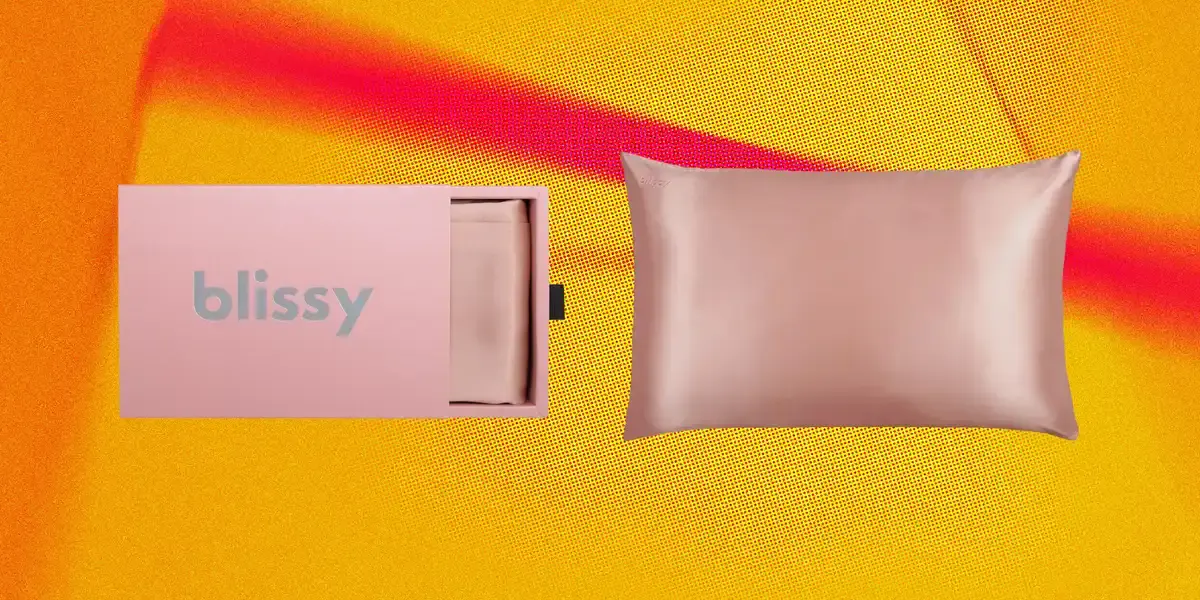
Our Long‑Term Test of Blissy Silk Pillowcase Reveals Surprising Benefits
Silk’s Skin‑Care Claims Put to the Test
After three years of nightly sleep on Blissy’s silk pillowcase, the editorial team at Sheet Reviews conducted a systematic review in June 2026 to verify the product’s promises for its smoother skin, reduced hair breakage, and improved rest, and overall well‑being. The test involved eight editors, each using the same pillowcase on a standard cotton mattress, while tracking skin moisture, hair shedding, and sleep quality over a twelve‑month period.
Breaking News
 Hollywood Elite Honor Carpenter, Theron, and Domingo at Academy Museum Gala
 The Next Generation of Collagen: Small Peptides, Big Claims
 The Impending Rise of Cobalt Blue in 2027 Fashion
 The Secret to a Flawless Autumn Complexion is Sunscreen Layering
Editors chose Blissy because the brand dominates social media buzz and claims medical‑grade silk that can lower friction on hair and skin. Researchers measured skin hydration with a corneometer and counted hair strands lost during morning combing. Sleep patterns were logged via a non‑intrusive wrist monitor. The data were compared against a control group using a cotton pillowcase of similar thread count.
The corneometer readings showed a modest but consistent rise in skin hydration for users of the silk pillowcase. Average moisture levels increased by 7 percent after four weeks, stabilizing at 10 percent after three months. One editor, who suffers from eczema, reported fewer flare‑ups and smoother facial texture. Dermatologists consulted by the team confirmed that reduced friction and the natural protein structure of mulberry silk can help retain skin moisture, especially in dry climates. However, they cautioned that silk alone cannot replace a comprehensive skincare regimen.
Does a Silk Pillowcase Really Reduce Hair Breakage?
Hair loss measurements revealed a 15 percent drop in broken strands compared with the cotton control. Participants noted that their hair felt less tangled after waking, and the number of split ends reported by a professional stylist decreased by roughly one‑third. The reduction is attributed to silk’s smoother surface, which minimizes tugging during sleep. Still, experts warned that hair type, styling habits, and overall health play larger roles in breakage than pillow material alone. The study suggests silk pillowcases are a helpful adjunct, not a cure‑all.
The findings indicate that Blissy’s silk pillowcase delivers measurable benefits for skin hydration and hair integrity, though the effects are modest. As consumers seek low‑effort ways to improve sleep hygiene, silk pillowcases may become a staple in bedroom routines. Future research could explore long‑term impacts on sleep disorders and the potential for integrating antimicrobial silk treatments.
Frequently Asked Questions
Will a silk pillowcase help with acne? Silk reduces friction and may keep skin less irritated, but it does not address bacterial causes of acne directly.
How often should the pillowcase be washed? Manufacturers recommend washing every three to five uses to maintain silk’s natural oils and prevent buildup.
Is silk better than satin for hair health? Silk is a natural protein fiber, while satin is a synthetic weave; silk generally offers smoother contact and lower static, making it preferable for hair care.