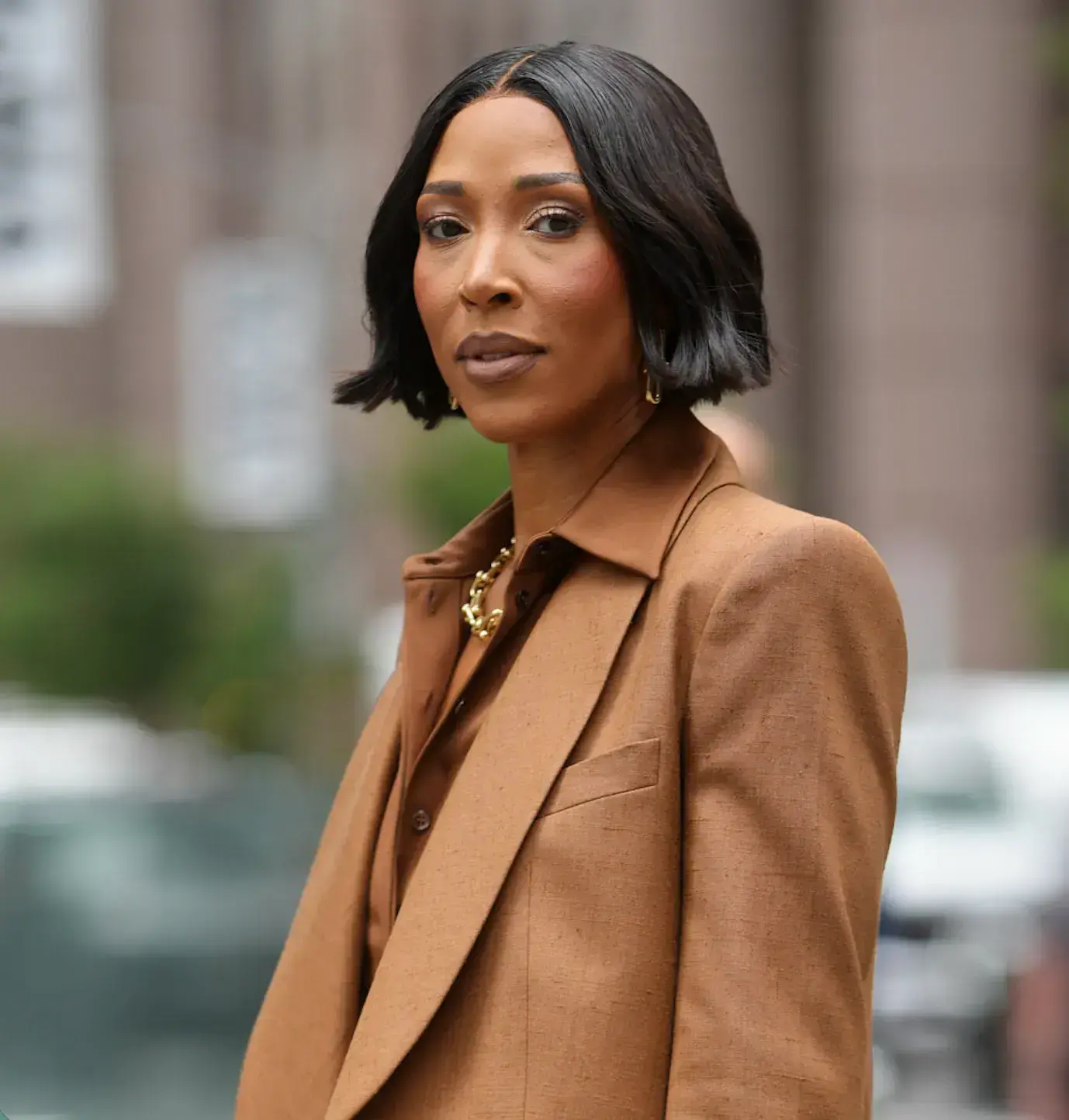
The Flicked Bob Takes Over Fashion Week Streets
Why the Flicked Bob Works for Street Style
During Fashion Week in September 2026, street style photographers captured a dominant hair trend: the flicked bob. Models, editors, and influencers were seen sporting this sharp, angled cut with outward flicks at the ends, particularly around major show venues in cities like Paris, Milan, and New York. The look quickly became synonymous with the season’s most talked-about beauty statements.
Breaking News
 Hollywood Elite Honor Carpenter, Theron, and Domingo at Academy Museum Gala
 The Next Generation of Collagen: Small Peptides, Big Claims
 The Impending Rise of Cobalt Blue in 2027 Fashion
 The Secret to a Flawless Autumn Complexion is Sunscreen Layering
The flicked bob builds on the classic bob silhouette but adds a modern twist through intentional outward flicks, often achieved with styling tools or texturizing products. Unlike softer, rounded bobs, this version emphasizes movement and edge, framing the face with a deliberate, almost rebellious flip. Stylists noted that the trend resonated because it balances polish with playfulness—offering a fresh take on a timeless cut while remaining practical for daily wear. Many attributed its rise to a broader shift toward expressive, low-maintenance styles that still make a statement on and off the runway.
How Are People Styling the Flicked Bob Today?
The flicked bob’s popularity stems from its versatility across hair types and face shapes, making it accessible yet distinctive. Unlike more extreme cuts, it requires minimal upkeep while delivering maximum visual impact. Celebrity hairstylist Marco Silva explained, „It’s not just about the cut—it’s how you move with it. The flick catches light and adds attitude without trying too hard.” This adaptability allowed it to transcend seasonal trends, appearing on everyone from avant-garde designers’ muses to downtown creatives. Its success also reflects a growing preference for hairstyles that feel personal rather than prescriptive, aligning with street style’s ethos of individual expression.
Beyond the basic flick, wearers are experimenting with texture, color, and asymmetry to personalize the look. Some opt for choppy layers to enhance the outward flip, while others incorporate subtle highlights or lowlights to add dimension. A few have even adopted a disconnected flick—where only one side features the pronounced outward turn—creating an asymmetrical edge. Product choice plays a key role, with lightweight mousses and sea salt sprays favored to maintain movement without stiffness. These variations show how the trend is evolving from a singular idea into a platform for creativity, proving that even a widely adopted style can retain uniqueness through individual interpretation.
What Does This Mean for Future Hair Trends?
The dominance of the flicked bob suggests a continued appetite for cuts that blend structure with spontaneity. As Fashion Week concludes, the trend is expected to influence salon requests and retail product development in the coming months. Its longevity may depend on how well it adapts to changing aesthetics, but its current momentum indicates it could remain a staple through the next season. Ultimately, the flicked bob’s rise highlights how street style continues to shape beauty ideals—turning a simple flick into a defining moment of the season.
What makes the flicked bob different from a regular bob? The flicked bob features intentional outward flicks at the ends, creating a flipped, textured effect, whereas a traditional bob typically has a blunt or softly curved finish without this directional flip.
Frequently Asked Questions
Can the flicked bob work on curly or wavy hair? Yes, stylists note that the flicked bob can be adapted for curly or wavy hair by enhancing natural texture with diffusing techniques or defining products to achieve a controlled, outward flick effect.
Is the flicked bob high maintenance? No, it is considered relatively low maintenance—requiring only regular trims to maintain shape and light styling to enhance the flick, making it practical for everyday wear.