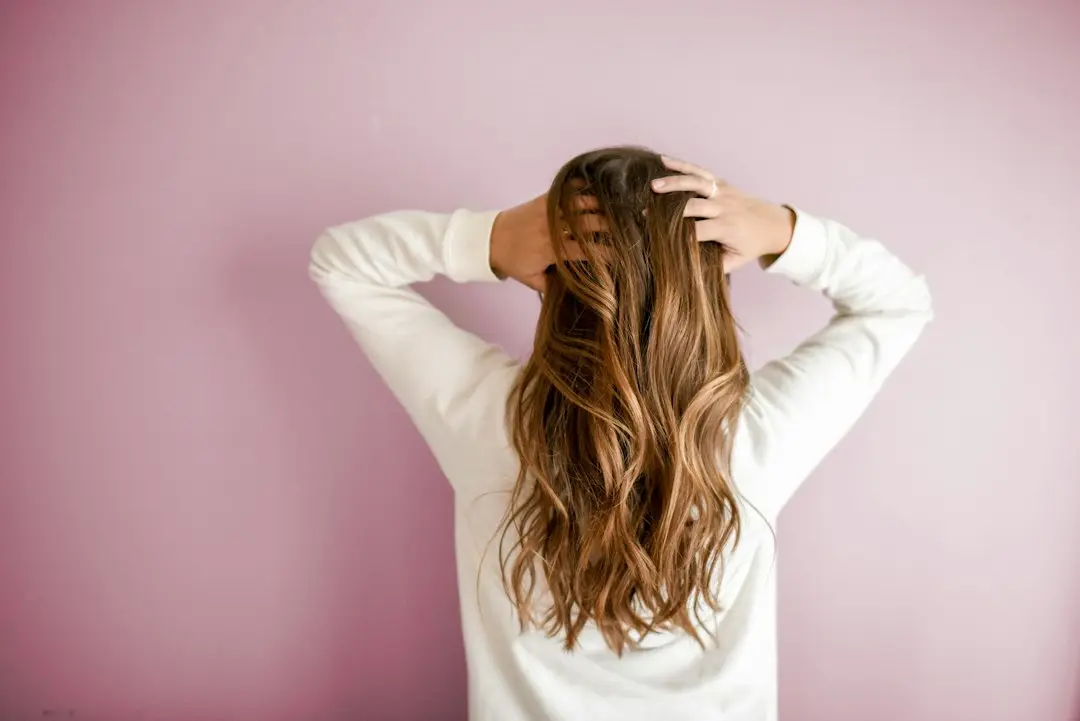
Understanding Hair Thinning After Fifty
Strategies for Revitalizing Aging Hair
As women reach their fifties, many notice a significant shift in the density and texture of their hair. Statistics indicate that approximately 40 percent of women experience noticeable hair loss by this age. While this transition is common, understanding the underlying biological changes is the first step toward managing hair health effectively.
Breaking News
 NYC Jewelry Week Honors High School Talent With New Award
 Nike Gyakusou Running Line Returns After Five-Year Hiatus
 The Best Long-Lasting Perfumes You Can Bank On
 Swinging Sixties fashion trends are making a strong return to runways and retail floors
Hair follicles naturally slow down their production cycle as the body ages. Hormonal shifts, particularly the decline in estrogen during menopause, often contribute to finer strands and reduced volume. Genetics and lifestyle factors also play a critical role in how hair density changes over time. Experts suggest that recognizing these patterns early allows for better maintenance strategies.
Maintaining a healthy scalp environment is essential for supporting existing hair growth. Using gentle, sulfate-free shampoos helps prevent further breakage of delicate strands. Incorporating scalp massages can improve blood circulation, potentially stimulating the follicles. Additionally, a balanced diet rich in proteins and vitamins provides the necessary building blocks for stronger hair growth.
Can Lifestyle Adjustments Reverse Thinning?
Styling techniques also influence the appearance of hair density. Opting for shorter, layered haircuts can create the illusion of more volume. Avoiding excessive heat styling and harsh chemical treatments protects the hair shaft from further damage. Many professionals recommend using lightweight volumizing products to add lift without weighing down the hair.
While some hair loss is tied to genetics, lifestyle modifications can certainly improve the overall look and feel of your hair. Managing stress levels is vital, as high cortisol can negatively impact the hair growth cycle. Consistent hydration and proper nutrition ensure that the body has the resources needed for hair maintenance.
While you may not be able to stop the aging process entirely, these proactive steps can significantly improve hair manageability. Focusing on scalp health and gentle care routines helps preserve the hair you have. With the right approach, many women successfully navigate these changes and maintain a healthy, vibrant appearance.
Frequently Asked Questions
Why does hair thin specifically after age fifty? Hormonal fluctuations during menopause are a primary driver. These changes affect the hair growth cycle, often leading to thinner strands and reduced follicle activity.
Are there specific products that help with thinning? Yes, look for volumizing shampoos and lightweight styling mousses. These products add body without causing the heavy buildup that makes thinning hair look flatter.
Can scalp care improve hair density? Regular scalp stimulation through massage can improve blood flow. A healthy, clean scalp provides the best foundation for hair to remain strong and resilient.