Why Fall Triggers Sudden Hair Loss
How Scalp Health Influences Seasonal Sheding
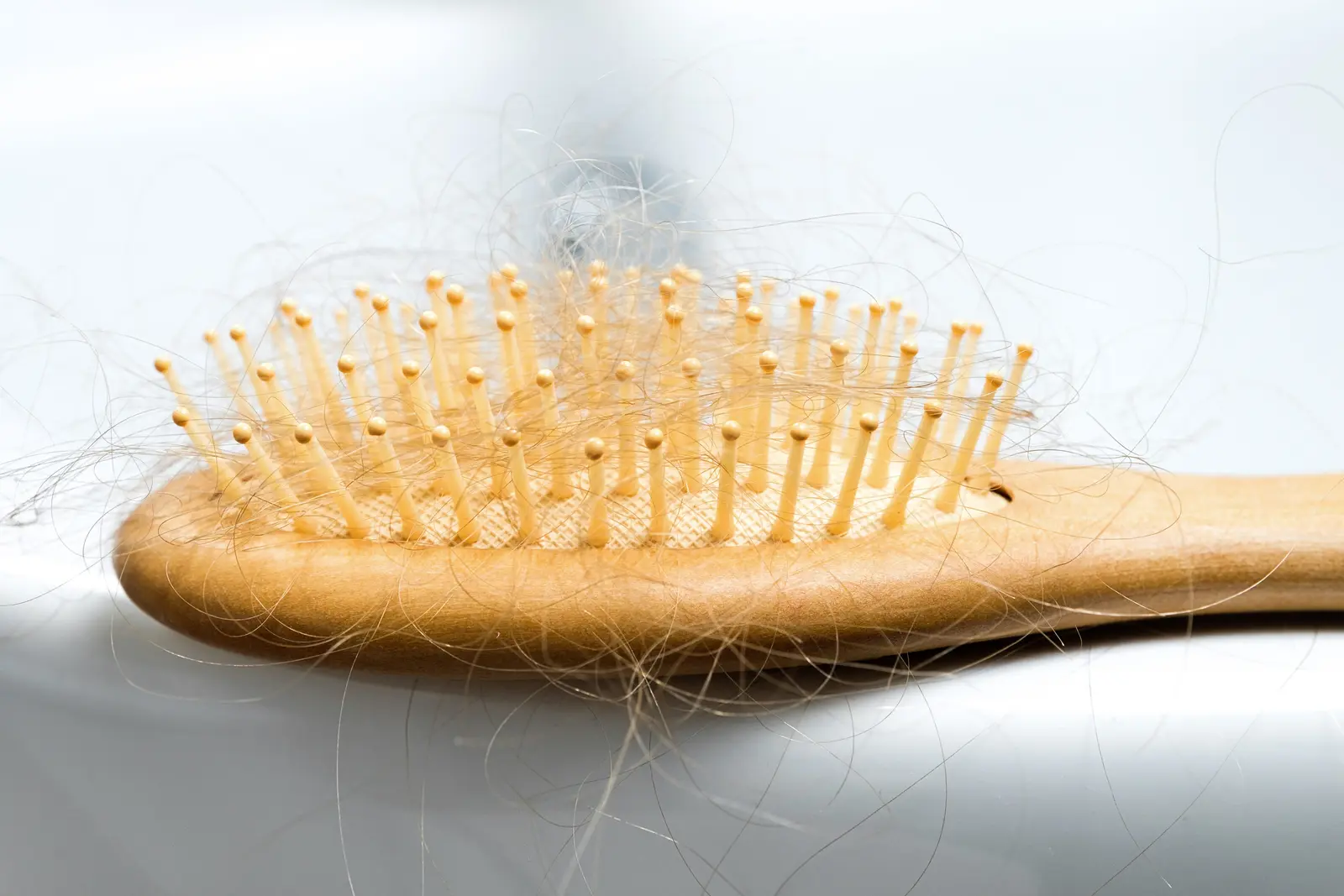
Every autumn, many people notice a dramatic increase in hair falling out during showers or on their pillows. This phenomenon, often called the autumn shed, is a common seasonal occurrence that affects a significant portion of the population. While it can be alarming, experts confirm that this spike in hair fallout is typically temporary. The condition usually resolves on its own without requiring medical intervention. Understanding the biological reasons behind this cycle helps reduce anxiety for those experiencing sudden thinning.
Breaking News
 Hollywood Elite Honor Carpenter, Theron, and Domingo at Academy Museum Gala
 The Next Generation of Collagen: Small Peptides, Big Claims
 The Impending Rise of Cobalt Blue in 2027 Fashion
 The Secret to a Flawless Autumn Complexion is Sunscreen Layering
The primary driver of this seasonal change is the body’s internal clock reacting to environmental shifts. As daylight hours decrease and temperatures drop, the hair growth cycle undergoes a natural adjustment. This process is deeply rooted in evolutionary biology, where mammals historically shed thicker coats in warmer months to prepare for colder weather. In humans, while we do not grow fur, the follicles still respond to these hormonal and photoperiodic cues. Consequently, more hairs enter the resting phase simultaneously, leading to increased shedding over several weeks.
Although the autumn shed is largely genetic and physiological, external factors can exacerbate the problem. A robust scalp-care routine plays a critical role in managing the volume of hair loss. Harsh chemical treatments, excessive heat styling, and tight hairstyles can stress the hair shaft, making it more susceptible to breakage during the shedding phase. Dermatologists recommend gentle handling of the hair during this period to minimize additional trauma. Keeping the scalp moisturized and free from buildup ensures that the roots remain healthy and secure.
Is This Shedding Permanent?
Nutrition also impacts the severity of the fall-out. A diet lacking in essential vitamins and minerals may weaken the hair structure, making it easier for strands to detach. Ensuring adequate intake of protein, iron, and zinc supports the hair follicle’s resilience. Furthermore, managing stress levels is crucial, as high cortisol can trigger telogen effluvium, a condition where hair prematurely enters the resting phase. Combining proper nutrition with a consistent skincare regimen helps mitigate the visual impact of seasonal shedding.
Most individuals find that their hair density returns to normal levels within a few months. The shedding phase generally lasts between six to eight weeks before the cycle resets. New growth begins to emerge as the follicles re-enter the active growth phase. However, if the hair loss persists beyond this window or is accompanied by bald patches, consulting a healthcare provider is advisable. This distinction helps differentiate between normal seasonal variation and underlying medical conditions such as thyroid disorders or autoimmune issues.
Frequently Asked Questions
Does everyone experience the autumn shed? Not every person notices a significant change, but many report increased shedding. The intensity varies based on individual genetics, age, and overall health status.
Can I stop the hair from falling out? You cannot prevent the biological cycle, but you can manage it. Using gentle shampoos and avoiding harsh styling reduces breakage and makes the loss less noticeable.
When should I see a doctor? Seek professional advice if the shedding continues for more than three months. Also consult a specialist if you notice thinning in specific areas or experience scalp irritation.