Beauty Takes Centre Stage in Sexual Health Clinics
A Cosmetic Solution to Financial Woes
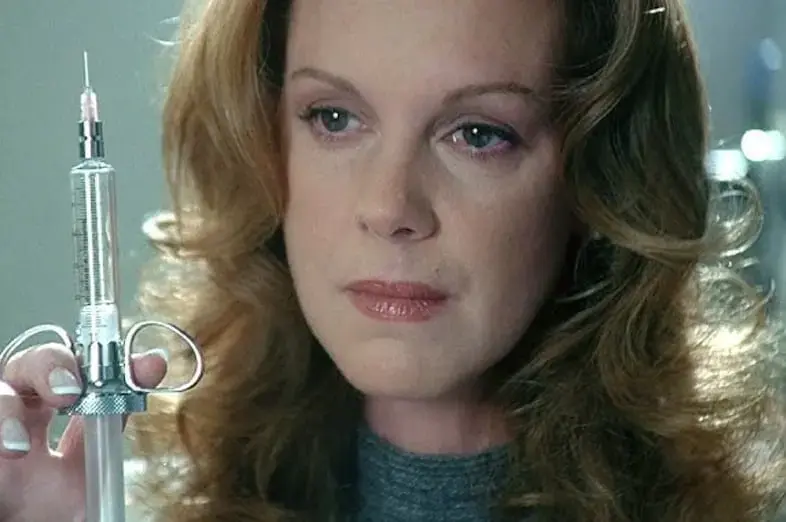
Planned Parenthood clinics are expanding their services to include beauty treatments like Botox and fillers due to severe funding cuts.
Breaking News
 Hollywood Elite Honor Carpenter, Theron, and Domingo at Academy Museum Gala
 The Next Generation of Collagen: Small Peptides, Big Claims
 The Impending Rise of Cobalt Blue in 2027 Fashion
 The Secret to a Flawless Autumn Complexion is Sunscreen Layering
The decision to offer injectable treatments is a desperate attempt by the clinics to stay afloat financially. Some clinics have started providing these services, blurring the lines between necessary healthcare and profit-driven business.
By offering Botox and fillers, Planned Parenthood clinics aim to generate additional revenue. This move has sparked debate about the role of beauty treatments in healthcare. Critics argue that it is a way for companies to profit from women's insecurities.
Are Beauty Treatments a Necessary Evil?
The inclusion of beauty treatments in sexual health clinics raises questions about the priorities of healthcare providers. While some see it as a necessary measure to ensure the clinics' survival, others are concerned about the potential consequences.
The long-term effects of this shift in focus remain to be seen. As Planned Parenthood clinics continue to adapt to funding cuts, the beauty industry's influence on sexual health is likely to grow.
Frequently Asked Questions
What services are being offered by Planned Parenthood clinics? Planned Parenthood clinics are now offering injectable treatments like Botox and fillers alongside traditional sexual health services. These services are available at select clinics.
Why are Planned Parenthood clinics offering beauty treatments? The clinics are offering beauty treatments to generate additional revenue due to severe funding cuts. This move is intended to help them stay financially afloat.
Are beauty treatments considered necessary healthcare? The classification of beauty treatments as necessary healthcare is a matter of debate. Some argue that they are not essential, while others see them as a legitimate healthcare service.