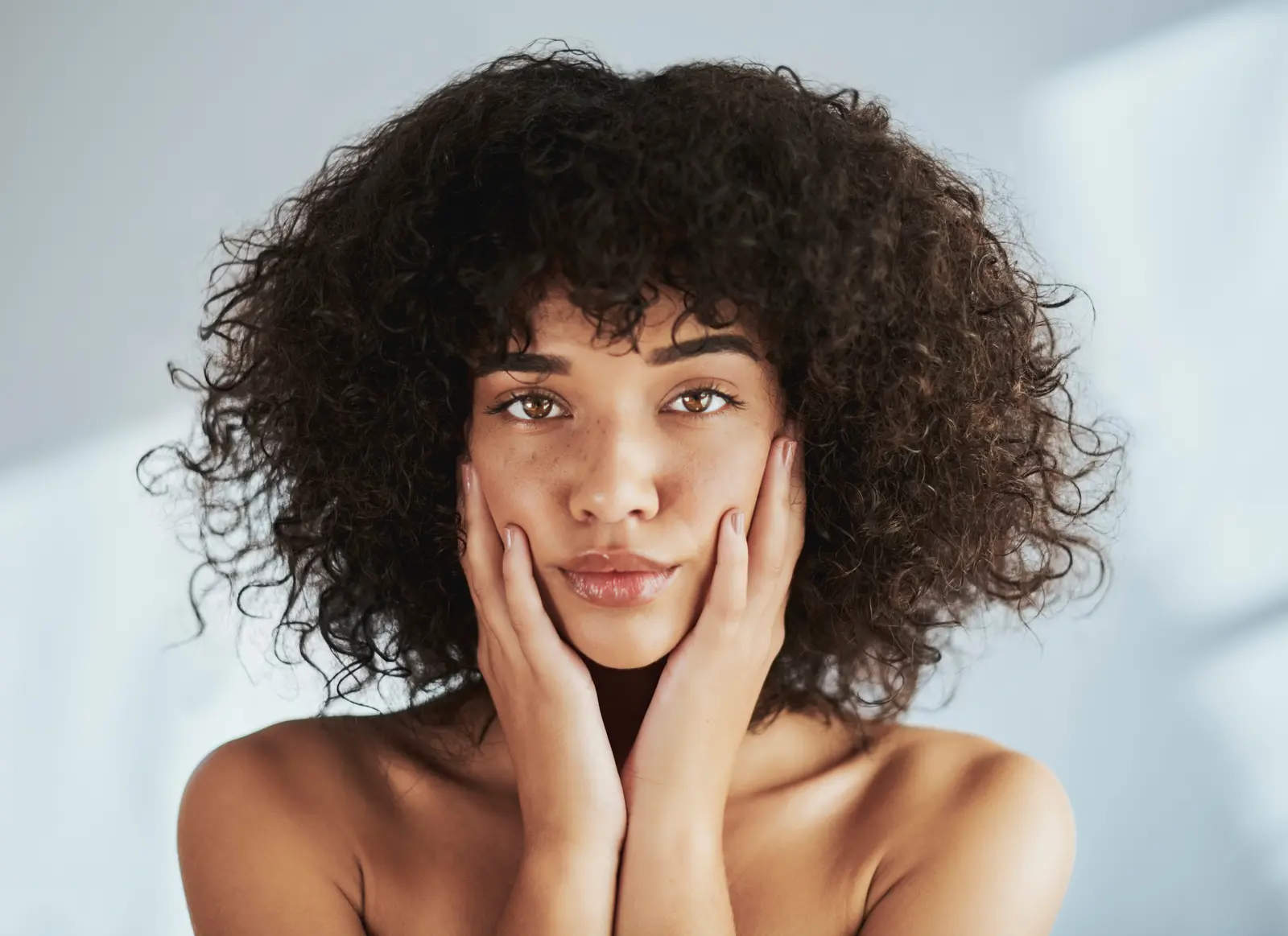
Smart aging is the new term gaining traction in the beauty industry
This cultural pivot is reshaping product development strategies
Experts say it replaces the outdated concept of antiaging. Hailey Bieber helped popularize the phrase. The shift focuses on prevention and protection rather than reversal. This reflects a broader cultural move toward realistic expectations. The term acknowledges that skin changes naturally with age. It emphasizes maintaining health rather than fighting biology. Industry insiders note the language change signals a deeper philosophy. Smart aging centers on smarter care routines. It prioritizes long-term skin health over quick fixes. The approach aligns with the wider longevity movement. Consumers now seek sustainable results over temporary cosmetic fixes. This marks a significant departure from decades of antiaging marketing. The new terminology resonates with younger demographics. They prefer honest language about biological reality. Industry analysts see this as a lasting shift in beauty discourse. The phrase captures a more mature understanding of skin care. It moves the conversation from denial to acceptance.
Breaking News
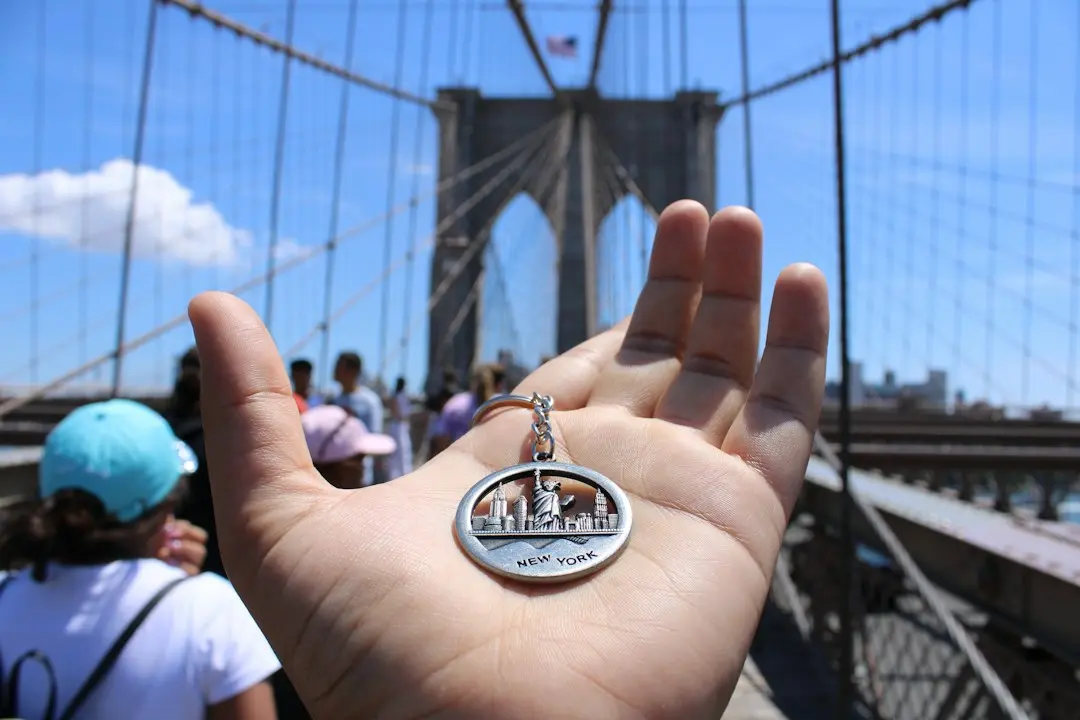 NYC Jewelry Week Honors High School Talent With New Award
 Nike Gyakusou Running Line Returns After Five-Year Hiatus
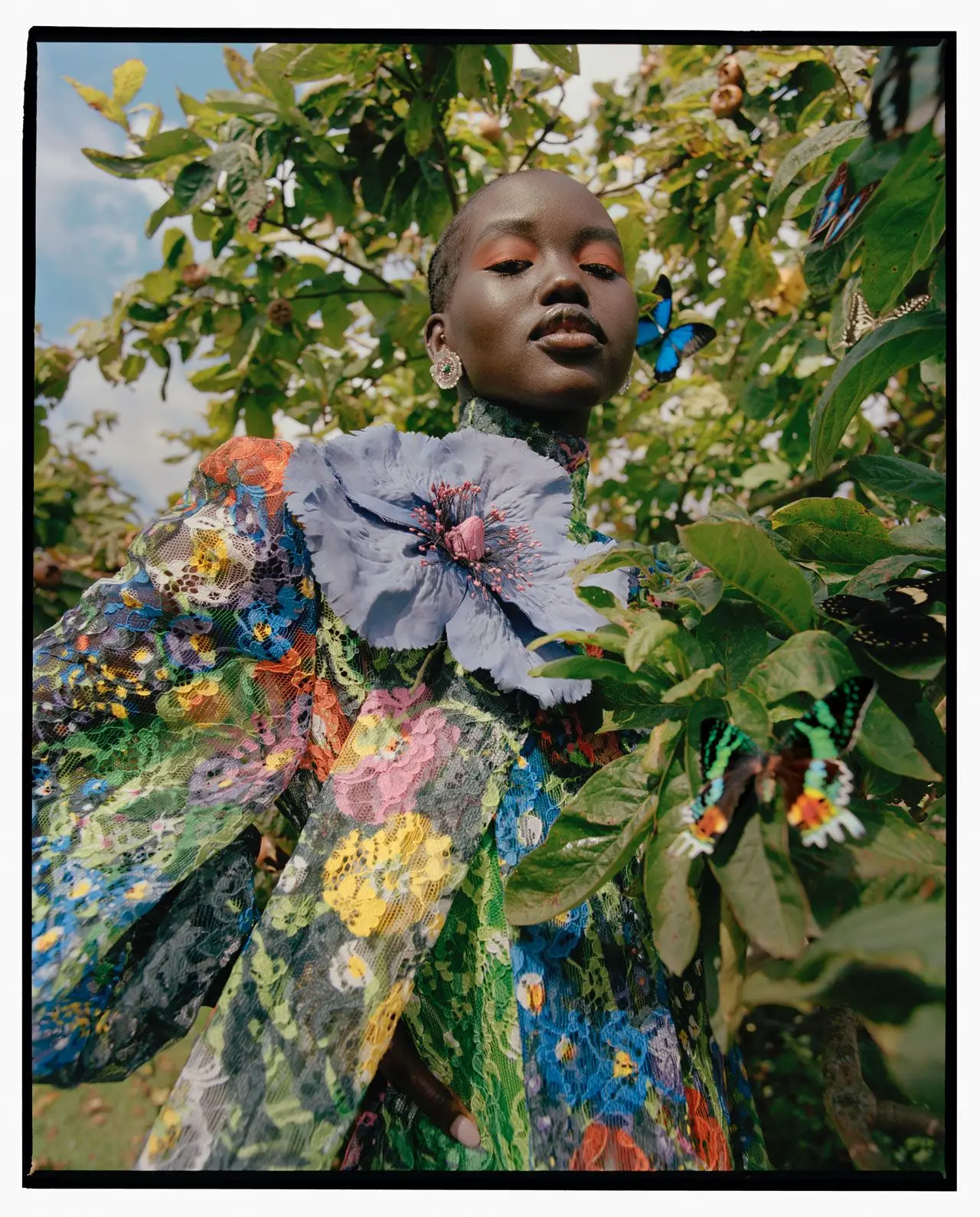 The Best Long-Lasting Perfumes You Can Bank On
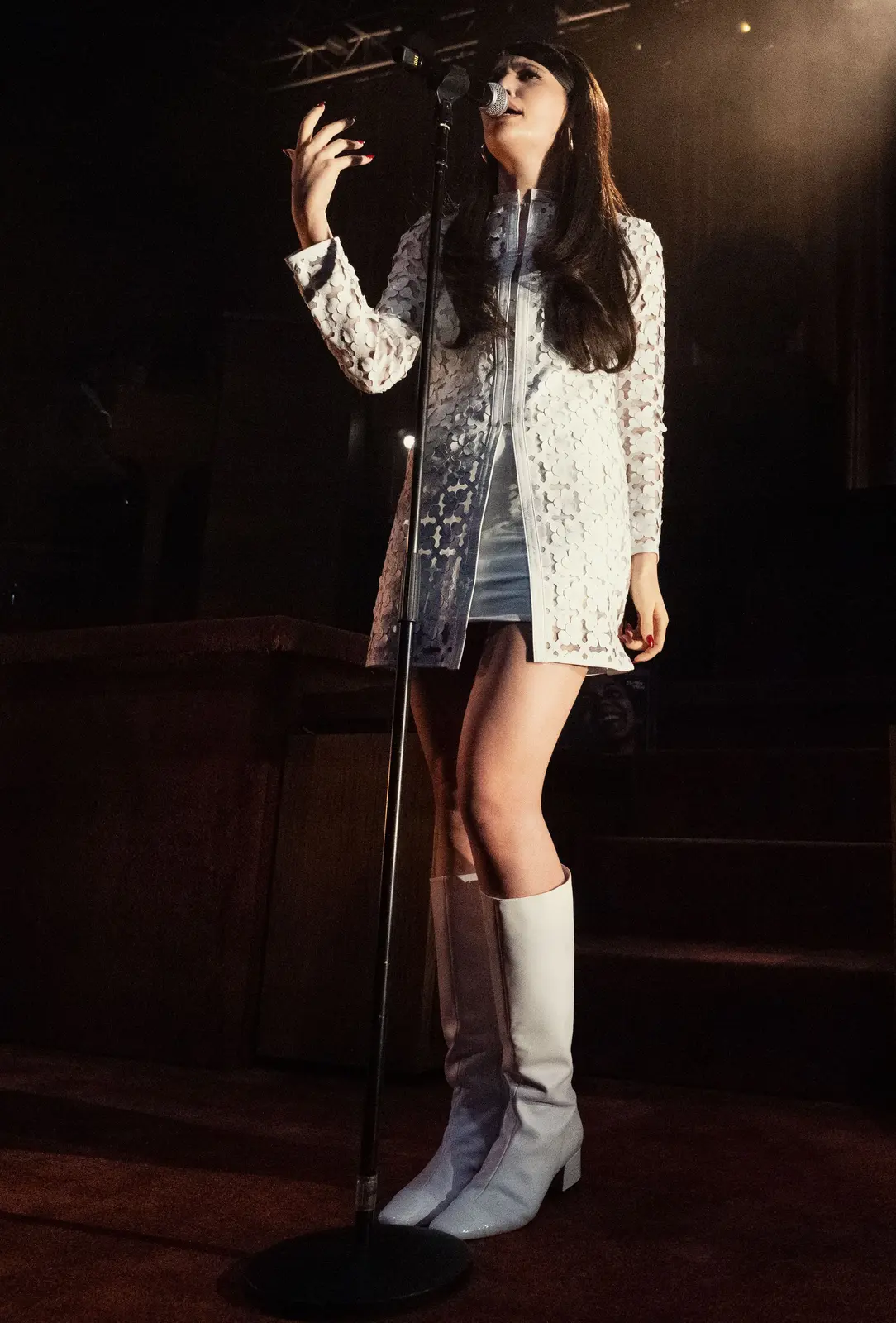 Swinging Sixties fashion trends are making a strong return to runways and retail floors
This cultural pivot is reshaping product development strategies. Brands are reformulating products to match the new narrative. The focus is on barrier repair and antioxidant protection. Consumers respond well to terms that feel less clinical. Smart aging suggests intelligence in choosing the right products. It encourages listening to your skin's actual needs. The trend reflects broader wellness and longevity interests. Experts predict this language will dominate future beauty marketing. The shift acknowledges that aging is a natural process. It removes the negative connotations of fighting age. This creates a more positive framework for skin care. The industry is moving toward personalized, data-driven routines. Smart aging fits this personalized approach perfectly. It emphasizes consistency over aggressive treatments. This philosophy supports long-term skin resilience. The term has gained significant media attention recently. Celebrity endorsements have accelerated its adoption. Industry leaders are aligning their messaging with this new direction.
The shift reflects a broader cultural acceptance of aging
The shift reflects a broader cultural acceptance of aging. It moves away from the pressure to look artificially young. Smart aging promotes healthy, glowing skin at any age. This represents a meaningful change in beauty standards. The concept encourages consumers to prioritize skin health. It focuses on prevention and daily protection. This approach reduces reliance on invasive procedures. The industry is adapting to this new consumer mindset. Smart aging is becoming a standard term in beauty circles. It signals a more realistic and respectful view of aging. The movement supports long-term skin vitality. This shift is reshaping how brands communicate with customers. It aligns with the growing interest in healthspan. The term captures a smarter, more sustainable care philosophy.