
Beauty Claims Nearly A Third Of Gen Z College Students’ Holiday Gift Budgets
Spending Patterns and Budgets
Skin care and makeup products occupy a substantial portion of student holiday budgets. The Art Agency surveyed 3,786 students across 24 U. S. universities. Data shows students plan to allocate about $97 of their average $314 holiday gift budget to personal care items. Nearly three-quarters of respondents expect to spend at least $50 on beauty gifts, while a third plan to spend $100 or more. The number of students who want to increase their beauty budgets is six times larger than those who plan to cut spending.
Breaking News
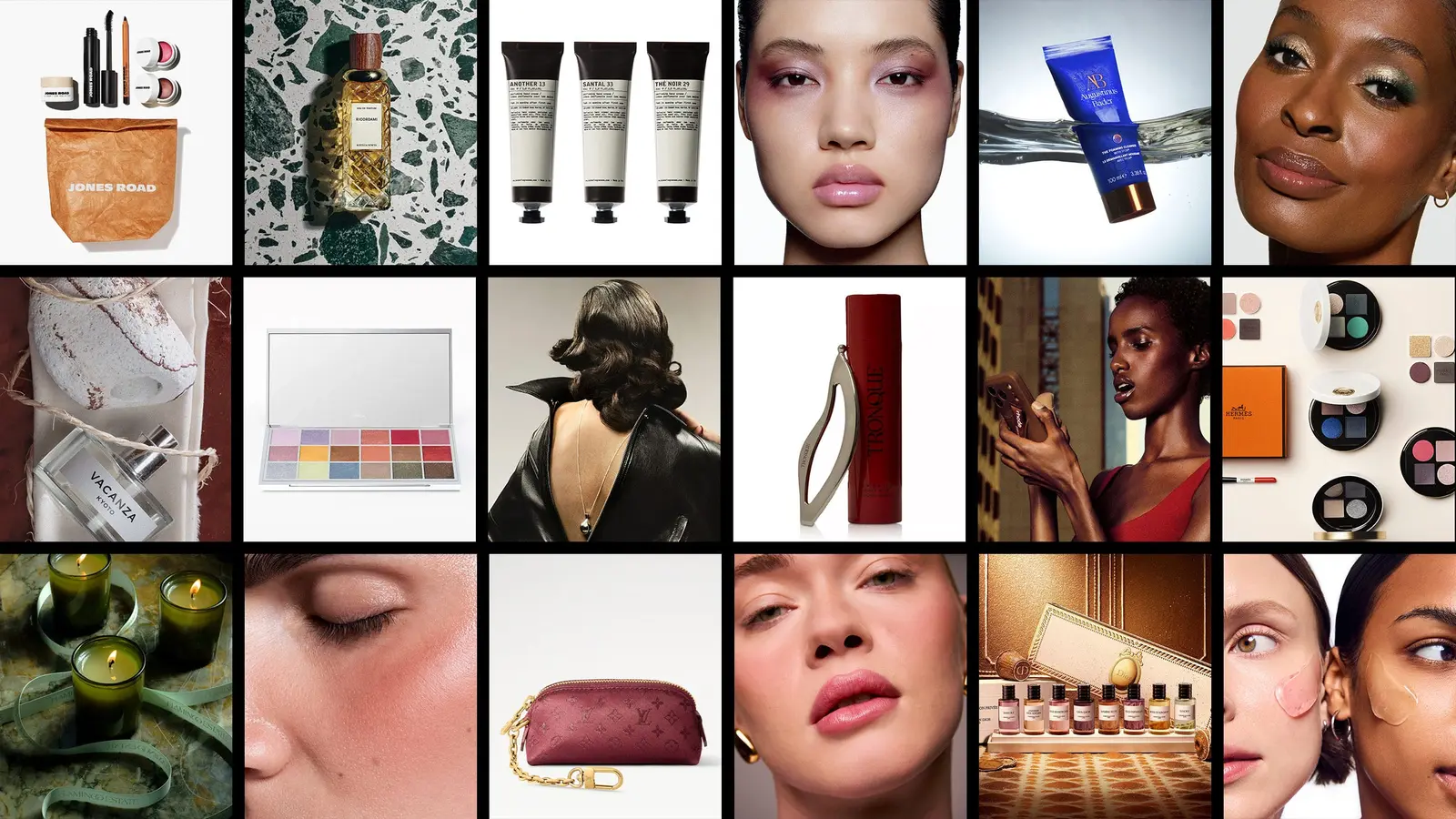 Best Beauty Gifts That Will Actually Get Used
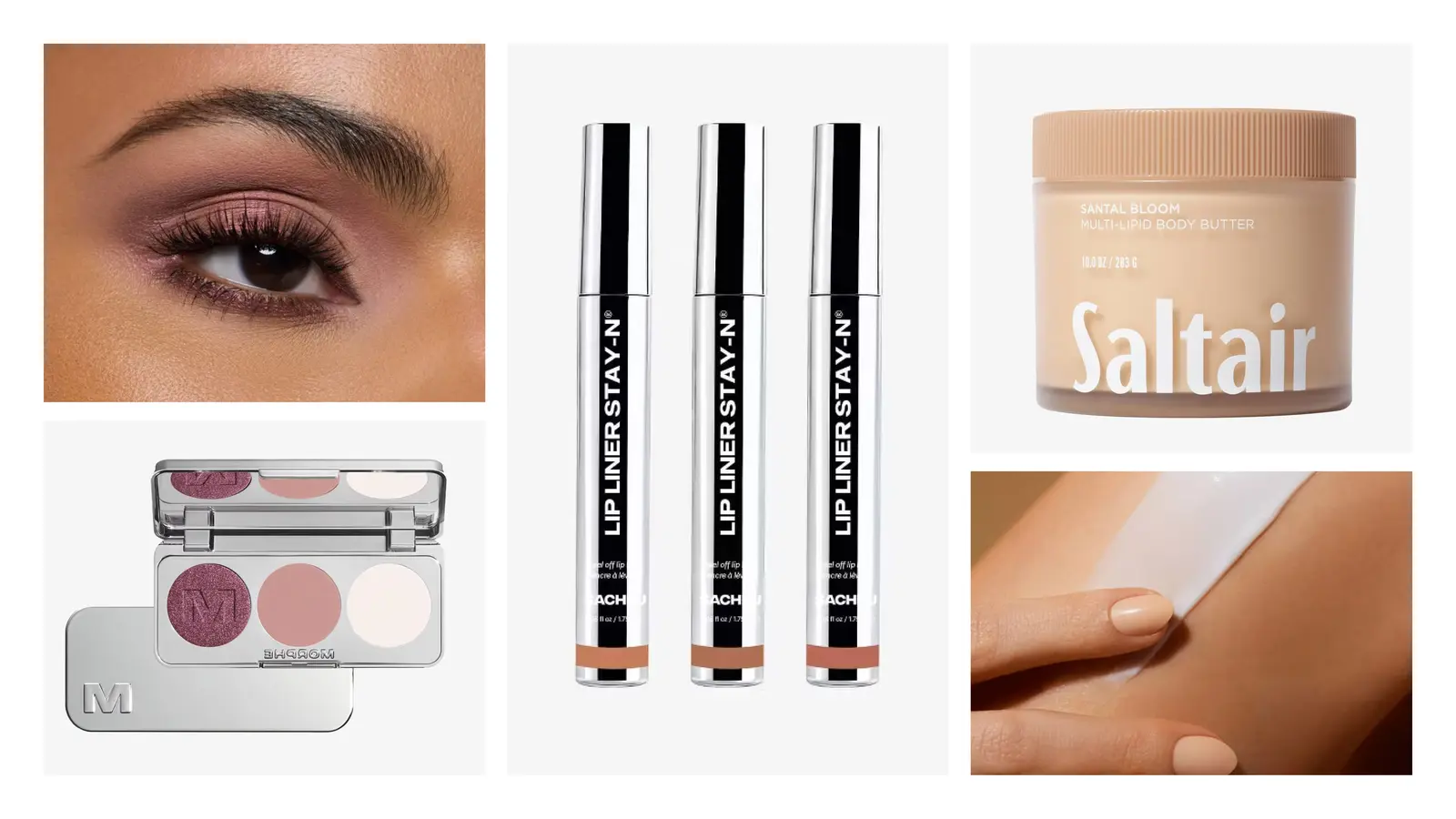 Target Beauty Gifts: Top Picks for the Season
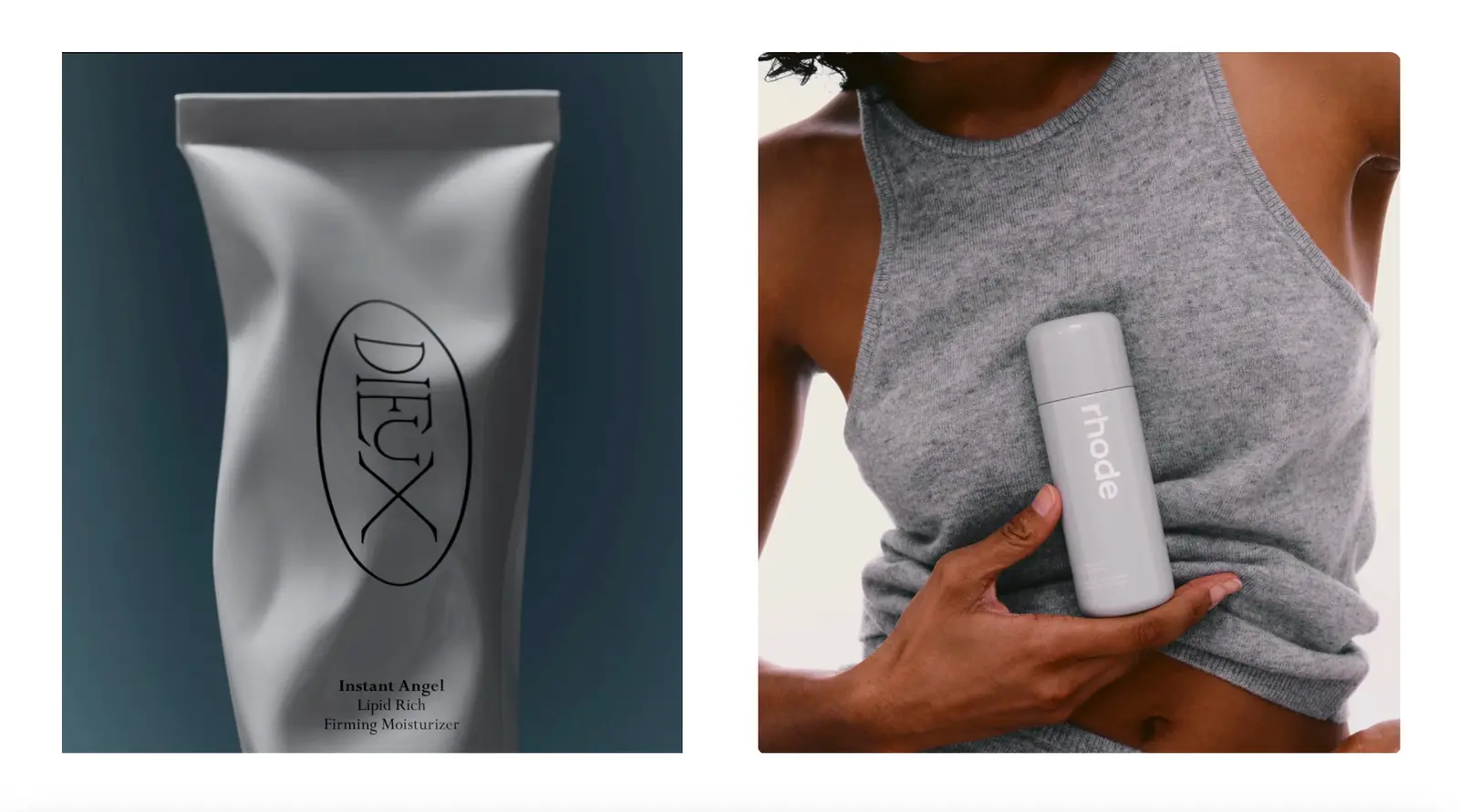 Ceramide-based moisturizers are gaining serious traction among dermatologists and beauty editors
 Holiday Season Wellness: How CVS Supports Self-Care
Gift Recipients and Timing
Flytedesk, a university marketing firm, interviewed 1,613 students from 121 campuses in October. The average holiday gift budget is $314, with a median of $200. 61% expect to make most holiday purchases in the first half of December. 79% say promotions like Black Friday and Cyber Monday are strong motivators for finalizing purchases. While students do not buy exclusively for others, gifts for family and friends take priority. In the Flytedesk survey, 77% plan purchases for parents, 67% for siblings, and 62% for friends. Nearly half (47%) intend to buy for themselves as well.
Budget Trends and Drivers
In The Art Agency survey, 28% of respondents intend to spend more on beauty gifts than last year, 68% expect to maintain the previous level, and 4% foresee a reduction. Buying gifts for more people is the main driver of increased beauty spending, followed by higher prices and having more money available this year. Among those reducing budgets, 56% cited having less money available.
Value Beyond Price
Zach Mendelsohn, co-founder and CEO of The Art Agency, notes that while total spending can be easily reduced, beauty is the only category where students do not cut budgets but actually increase them. This is because the product range covers both affordable items and luxury goods. The survey was conducted between November 11 and 16. The sample consisted mainly of women and sorority members, and is not nationally representative. Average budgets were estimated using midpoints of spending ranges, and annual changes were self-reported. Students with larger gift budgets are more likely to increase beauty spending. 38% of students with total budgets of $500 or more said they will spend more on this category, compared to 27% of those with budgets between $100 and $250.
For these young consumers, the value equation in beauty goes beyond simple price. „There are multiple layers of value: price, perception, and who is behind the brand,” Mendelsohn explains. „What we see with Gen Z is that they buy a narrative, they buy a movement, they buy a celebrity or creator who matters to them.” Irene Wu, executive strategy partner at The Art Agency, adds that value does not necessarily mean cheap. When entering the holiday season and thinking about what to invest in themselves, there is an intentional aspect to what they can do and what they can splurge on for better skin or an aspirational item.
Top Brands and Products
Among all beauty brands, Rhode was the most desired on holiday wish lists. 35% of respondents named the skin care and makeup brand, owned by E.l.f. and promoted by Hailey Bieber, as their number one beauty brand without being prompted. This is approximately 5.5 times more than those who named Shark, the next most popular brand. Peptide lip products, Pocket Blush, Glazing Milk, and Peptide Eye Prep Patches were frequently mentioned. Other brands in the top 12 most desired include Dyson, Charlotte Tilbury, Medicube, Rare Beauty, Kérastase, Reale Actives, Saie, Amika, Hourglass, and Makeup by Mario. Nearly one in nine respondents named a Dyson or Shark hair styler, dryer, or other hair device as their desired gift. Shark’s LED CryoGlow facial mask was a particularly popular choice.
Category Preferences and Marketing
Makeup is the most popular beauty category that students intend to gift, followed by fragrance, skin care, hair care, gift sets, and minis. Celebrity and influencer endorsements resonate strongly with Gen Z consumers, but peer recommendations are essential for turning awareness into sales. Mendelsohn highlights that what differentiates Gen Z from older generations is the volume and frequency of content they consume. Repeated exposure to products through celebrities, creators, and friends fuels the fear of missing out (FOMO). „These bigger campaigns, whether video, ads, or celebrity posts, are great for creating awareness. But what will make them buy is when they see all their friends buying the product.”
Aspirational Experiences
For brands seeking cultural relevance among Gen Z consumers, creating aspirational experiences is only part of the equation. The accessibility of these experiences is equally important. Mendelsohn highlights Kendall Jenner’s 818 tequila brand, with which The Art Agency has worked for four years on marketing to legal-age college students for alcohol consumption. Jenner appeared in campus bars, hosted eve