
Red Lipstick and Confidence: A Week-Long Test
The Marketing Myth vs. Personal Reality
A beauty writer tested the popular claim that wearing red lipstick boosts self-assurance. The experiment spanned seven days, challenging the long-held belief that this color is a universal mood enhancer. The results contradicted the marketing narrative.
Breaking News
 Winter 2027 pedicure trends favor bold, warm tones over neutral shades
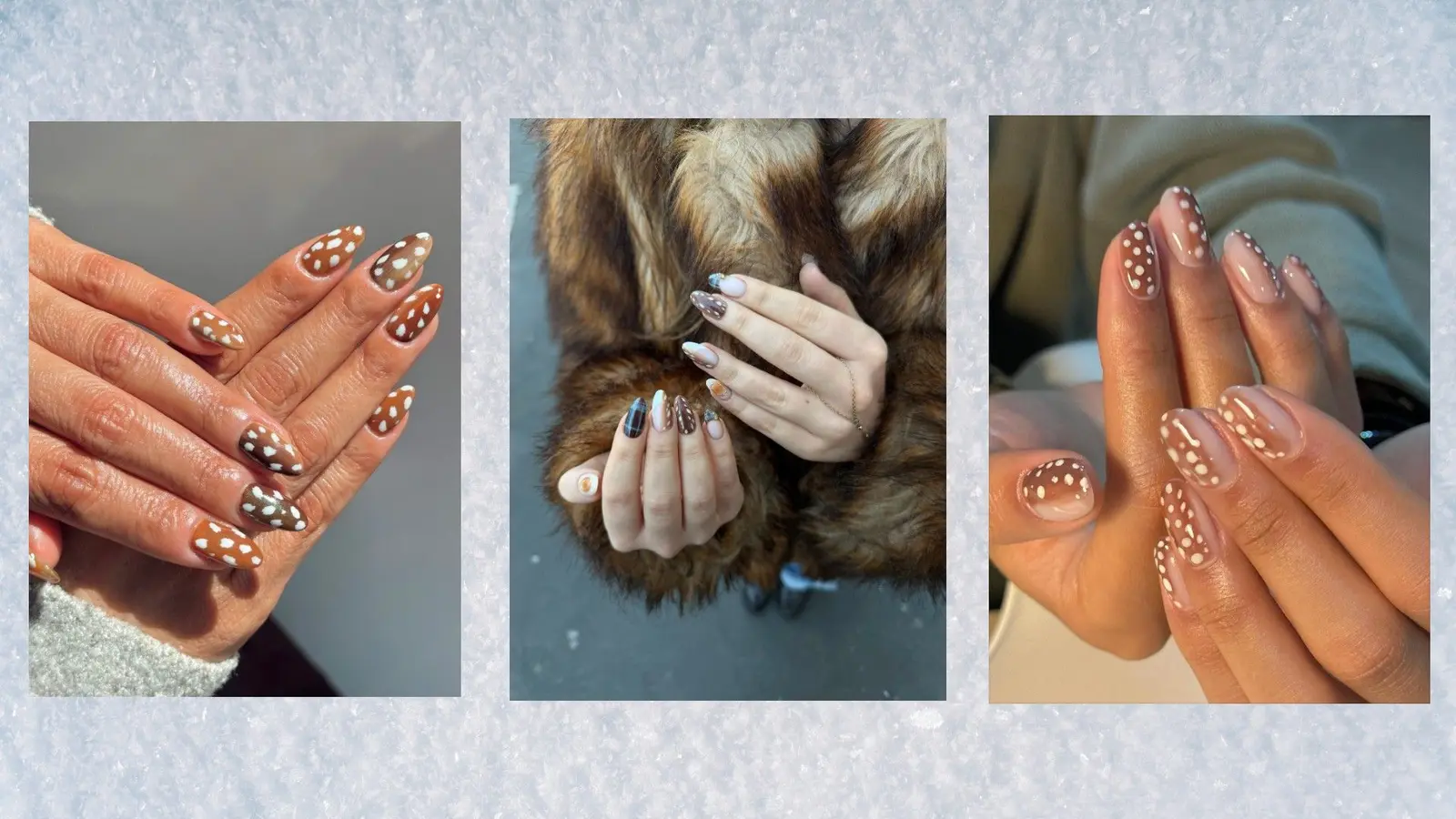 Animal Prints Make a Stylish Comeback on Winter Nails
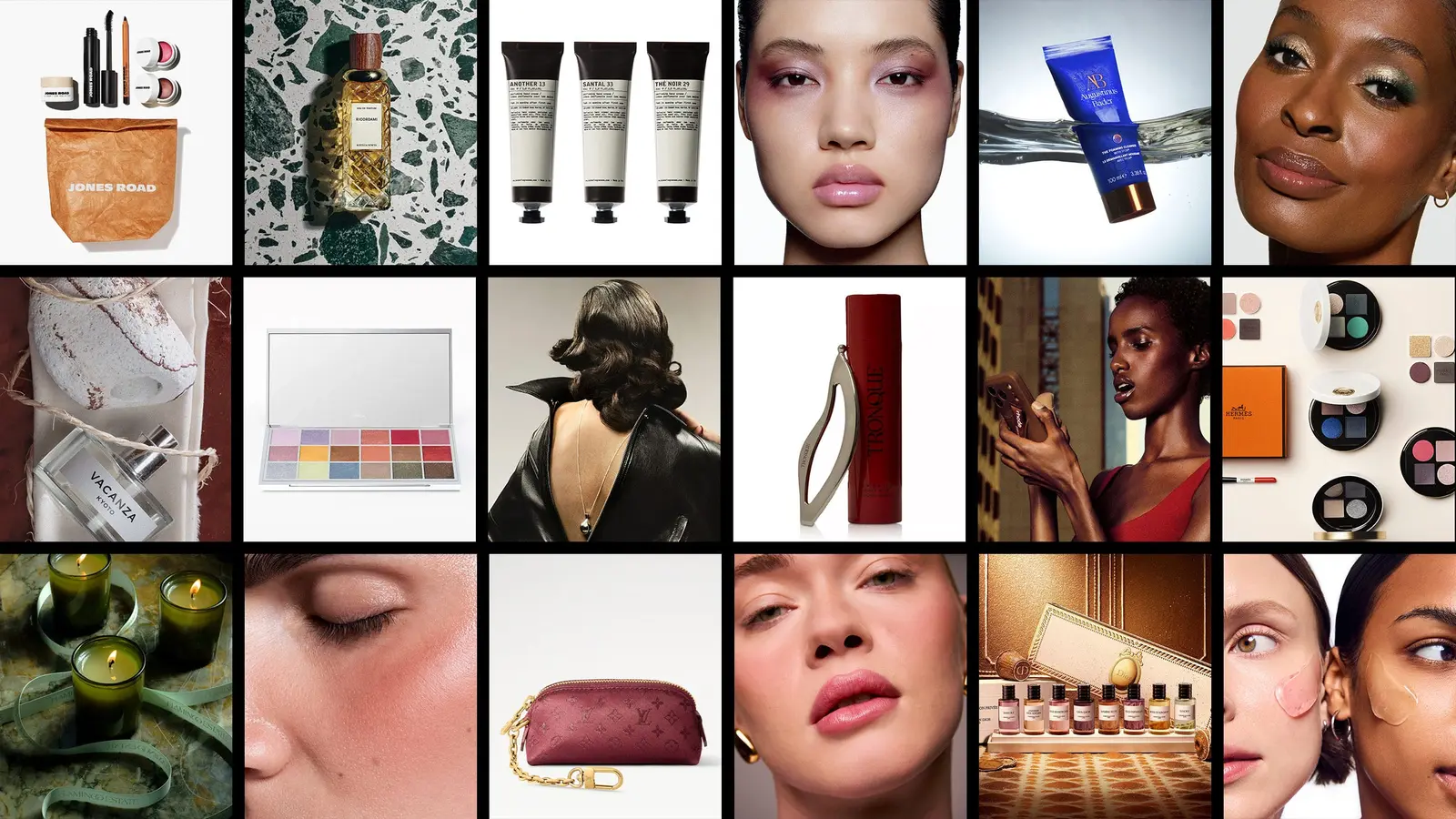 Best Beauty Gifts That Will Actually Get Used
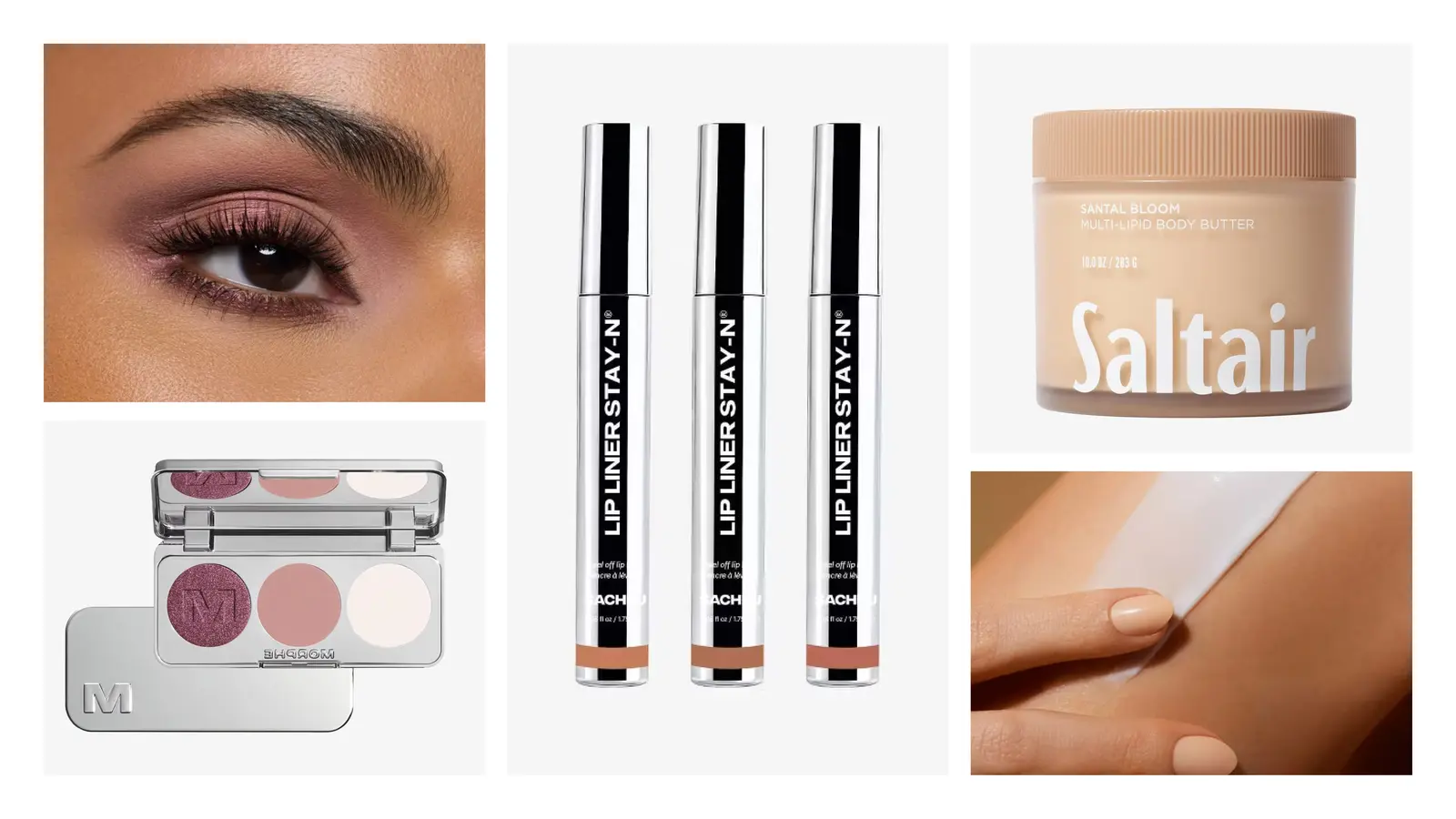 Target Beauty Gifts: Top Picks for the Season
For decades, cosmetics brands have promoted red lipstick as a tool for empowerment. Ancient Egyptian elites used crushed beetles to create the pigment, establishing a link between the color and social status. Modern advertising continues this tradition, positioning the shade as a quick fix for low moments.
Did the Color Actually Change How She Felt?
The writer initially believed the hype. Magazines and ads suggested a single swipe could transform any situation. Yet during the trial, the effect felt inconsistent. Some days the color lifted her mood, while other days it felt like a costume. The gap between promise and reality became clear over time.
No single answer emerged. Confidence is subjective and influenced by context. On high-stakes days, the red shade seemed to sharpen focus. On casual days, it felt excessive. The experiment revealed that red lipstick is not a magic pill. It works best when the wearer already has a baseline of self-belief.
Does red lipstick have a proven psychological effect? Studies show color can influence mood, but results vary by individual. Red is often associated with energy and assertiveness, yet personal experience differs.
Frequently Asked Questions
Why do brands push red lipstick so hard? The shade carries historical weight. From ancient Egypt to modern runways, red signals power. Marketers leverage this heritage to sell confidence.
Can anyone benefit from wearing red? Not everyone. Some people feel empowered, others feel exposed. The effect depends on personal association with the color and the social setting.