The Truth About Undertones
Undertones: A One-Size-Fits-All Approach?
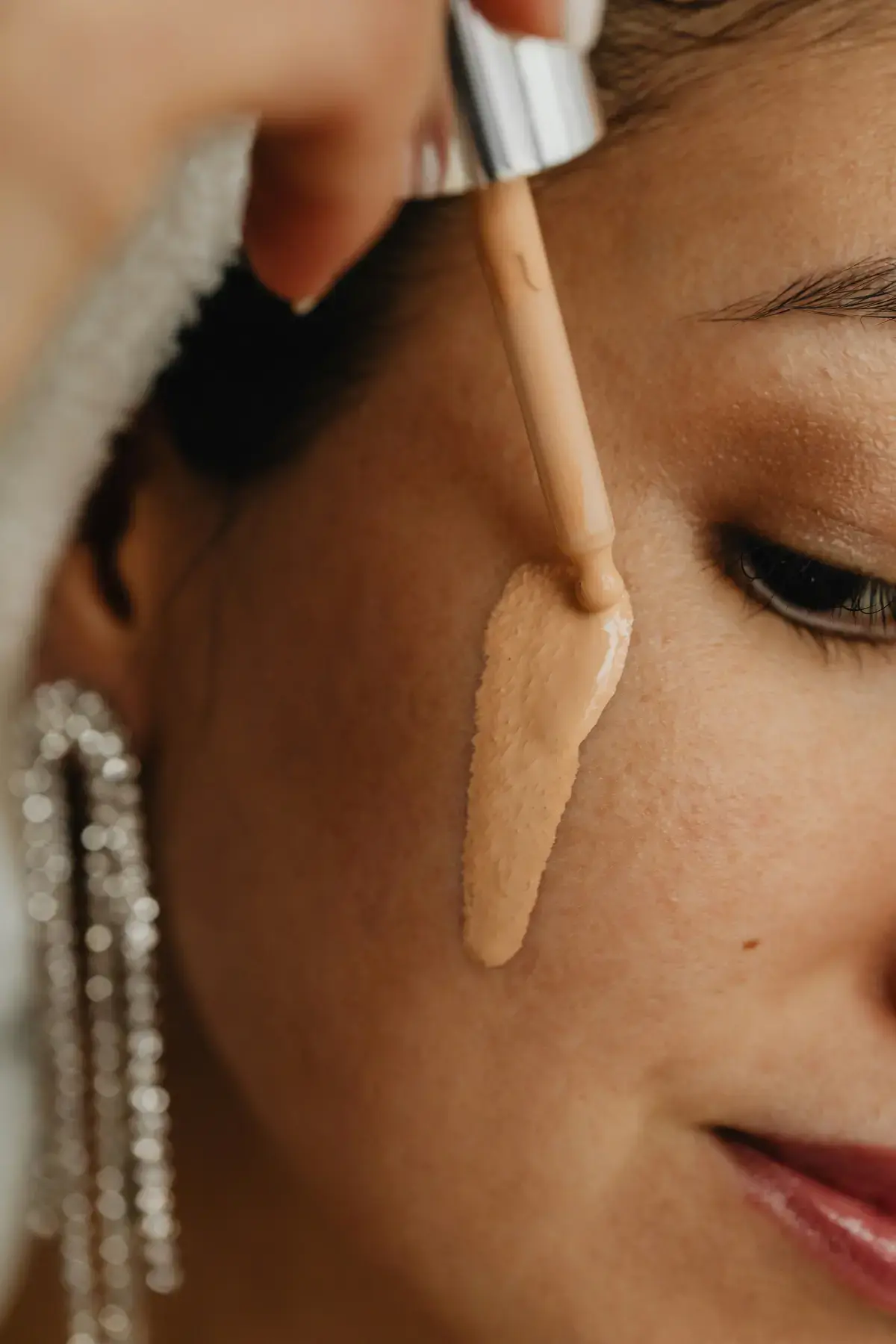
For Black and brown women, a wide range of foundation shades is only useful if the undertones are right. This has long been a problem. Many makeup companies have struggled to get it right. The issue is complex and multifaceted.
Breaking News
 Hollywood Elite Honor Carpenter, Theron, and Domingo at Academy Museum Gala
 The Next Generation of Collagen: Small Peptides, Big Claims
 The Impending Rise of Cobalt Blue in 2027 Fashion
 The Secret to a Flawless Autumn Complexion is Sunscreen Layering
The concept of undertones is crucial in finding a matching foundation. Undertones refer to the underlying hue of a person's skin, which can be cool, warm, or neutral. However, the traditional classification of undertones does not always work for women with darker skin tones. The usual categorization is often too narrow, failing to capture the nuances of their skin.
The standard undertones used in the beauty industry were largely developed with lighter skin tones in mind. As a result, many foundations designed for darker skin tones are often mismatched. This can lead to an unnatural finish and a lack of confidence for the wearer. Beauty companies are now being forced to rethink their approach.
Can the Beauty Industry Get it Right?
Many women with darker skin tones have undertones that are not easily classified as cool, warm, or neutral. Their skin can have a rich, complex tone that is difficult to match. Some beauty companies are starting to acknowledge this and adapt their products. They are expanding their shade ranges and developing new formulas that cater to a broader range of undertones.
To truly cater to diverse skin tones, beauty companies must move beyond the traditional undertones classification. They need to develop a more nuanced understanding of skin tone and create products that reflect this. Some companies are already making progress, but there is still a long way to go.
The consequences of not getting it right are significant. Women with darker skin tones continue to struggle to find a foundation that matches their skin. This can be frustrating and affect their self-esteem. As the beauty industry continues to evolve, it is likely that we will see more innovative solutions to this problem.
Frequently Asked Questions
What are undertones in makeup? This determines the most suitable foundation shade.
Why is it hard to find a matching foundation? The traditional undertones classification is often too narrow, failing to capture the nuances of darker skin tones.
Can beauty companies improve their foundation shade ranges? Yes, by developing a more nuanced understanding of skin tone and creating products that cater to a broader range of undertones.