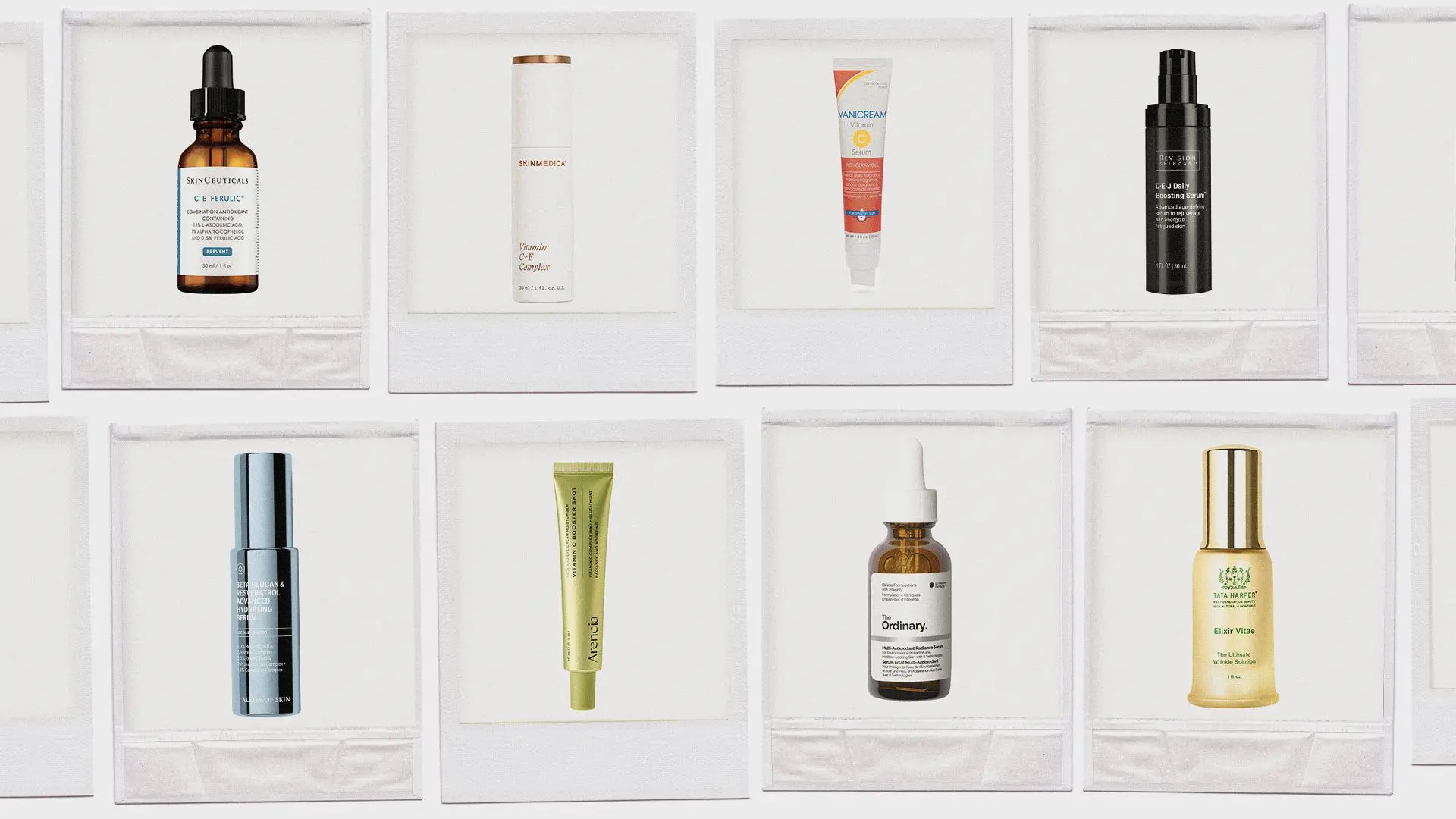
8 Antioxidant Serums That Guard Skin From Future Damage
How Vitamin C and Its Partners Strengthen the Skin Barrier
A new roundup released on September 2, 2026 highlights eight antioxidant serums that dermatologists say can act like insurance for the skin. The list, compiled by beauty writer Deanna Pai, focuses on formulas rich in vitamin C, vitamin E, resveratrol and other potent actives designed to neutralize free radicals and prevent long‑term damage from UV exposure and pollution.
Breaking News
 Hollywood Elite Honor Carpenter, Theron, and Domingo at Academy Museum Gala
 The Next Generation of Collagen: Small Peptides, Big Claims
 The Impending Rise of Cobalt Blue in 2027 Fashion
 The Secret to a Flawless Autumn Complexion is Sunscreen Layering
The guide evaluates each product on stability, concentration of key antioxidants, and user experience. Researchers note that oxidative stress accelerates aging, prompting a surge in demand for serums that can reinforce the skin’s natural defense. Brands have responded by pairing vitamin C with stabilizers such as ferulic acid, or by adding plant‑derived polyphenols like resveratrol to boost efficacy. Consumers are advised to look for serums packaged in opaque, air‑tight bottles to preserve potency.
Vitamin C remains the cornerstone of most antioxidant serums because it brightens complexion and stimulates collagen synthesis. When combined with vitamin E, the duo recycles each other, extending antioxidant activity throughout the day. Several of the highlighted products use a 15‑20 percent L‑ascorbic acid concentration, a level shown in clinical trials to improve skin texture within four weeks.
Which Antioxidant Serum Offers the Best Value for Daily Use?
Resveratrol, a polyphenol extracted from grapes, appears in two of the top picks. Studies suggest it can mitigate inflammation and protect against UV‑induced DNA damage. Formulators often pair resveratrol with niacinamide to enhance barrier repair while reducing the risk of irritation. Users report a subtle glow and smoother feel after consistent use, especially when applied after cleansing and before moisturizer.
Price points across the eight selections range from budget‑friendly to luxury tier. The most cost‑effective option delivers a stable vitamin C complex at a 10 percent concentration, backed by third‑party testing for purity. While lower concentrations may produce slower results, they are less likely to cause tingling or redness, making them suitable for sensitive skin types.
Higher‑priced serums often incorporate multiple antioxidants, encapsulation technology, and additional skin‑care actives like peptides. These formulations promise faster visible improvements but require careful storage to maintain efficacy. Dermatologists recommend patch‑testing any new serum and introducing it gradually to gauge tolerance.
As antioxidant research advances, the market is likely to see more hybrid formulas that blend botanical extracts with synthetic stabilizers. Consumers who adopt a consistent antioxidant routine may experience delayed signs of aging, reduced hyperpigmentation, and a more resilient skin barrier against environmental aggressors.
Frequently Asked Questions
Can I use an antioxidant serum together with retinol? Yes, layering is safe if you apply the serum in the morning and retinol at night, allowing each ingredient to work without interference.
How long does it take to see results from an antioxidant serum? Most users notice smoother texture and brighter tone within four to six weeks of twice‑daily application.
Do antioxidant serums replace sunscreen? No. Serums protect against free radicals but do not block UV rays; sunscreen remains essential for comprehensive skin defense.