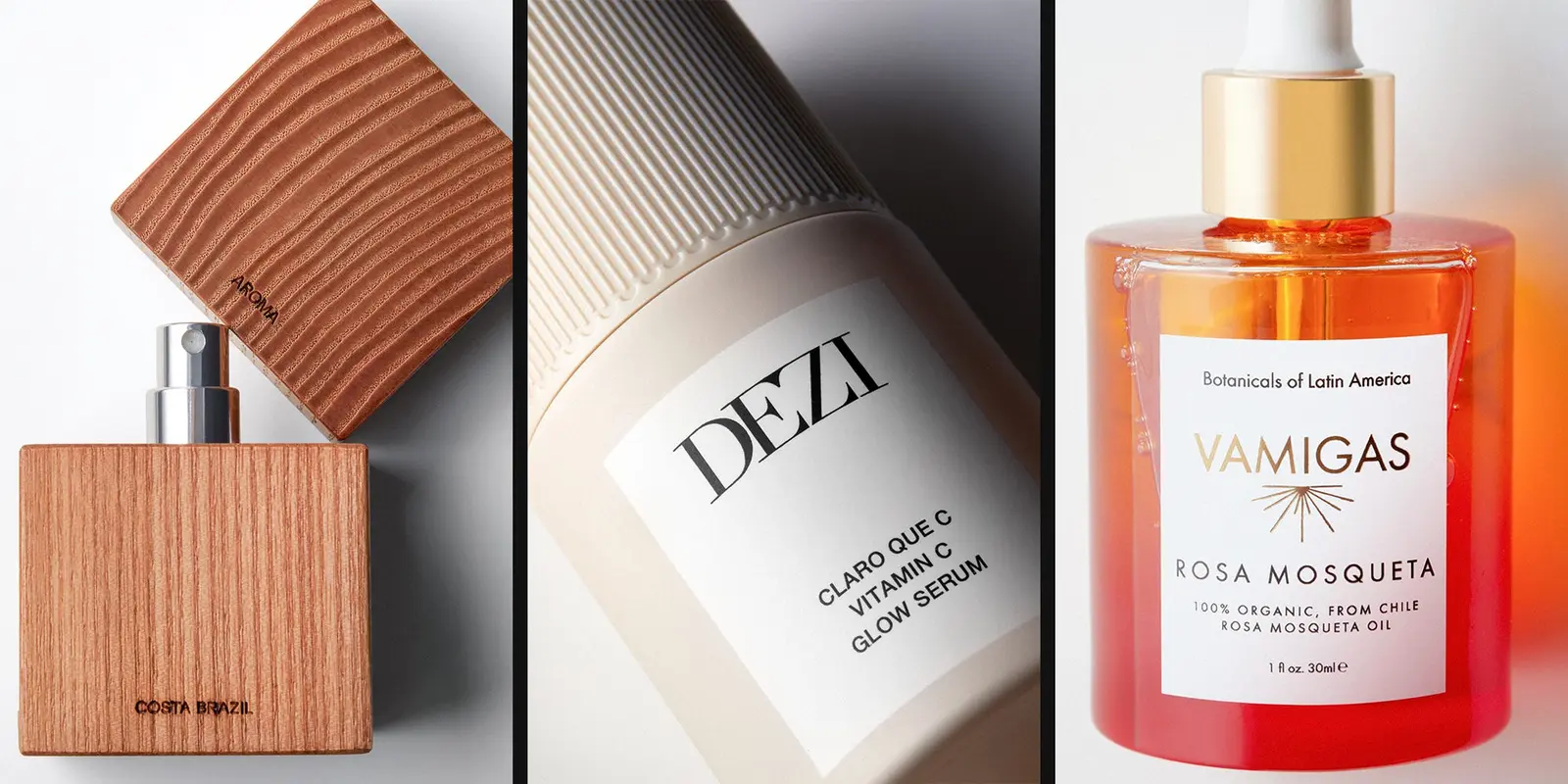
Beauty Brands Led by Latin Entrepreneurs Gain Global Spotlight
From Roots to Riches: The Story Behind the Brands
A growing wave of beauty companies founded by Latin Americans is reshaping the cosmetics industry. From sustainable skincare to bold makeup lines, these brands emphasize cultural heritage, ethical sourcing, and innovative formulas. They are attracting attention from consumers and investors alike across North America, Europe, and Latin America.
Breaking News
 Hollywood Elite Honor Carpenter, Theron, and Domingo at Academy Museum Gala
 The Next Generation of Collagen: Small Peptides, Big Claims
 The Impending Rise of Cobalt Blue in 2027 Fashion
 The Secret to a Flawless Autumn Complexion is Sunscreen Layering
These entrepreneurs blend traditional ingredients with modern science, creating products that reflect their diverse backgrounds. Many focus on eco‑friendly packaging and community empowerment, turning beauty into a platform for social change. The surge in popularity signals a shift toward inclusive representation in a market that once favored a narrow range of beauty ideals.
The founders often cite family recipes and local markets as inspiration. One company began in a small kitchen in Oaxaca, using cacao and avocado for a nourishing face mask. Another started in a Brooklyn studio, translating a Peruvian hair care routine into a line of sulfate‑free shampoos. These narratives resonate with consumers seeking authenticity and a connection to the product’s origin.
How Do These Brands Address Sustainability and Inclusion?
Investors are taking notice. Venture capital funds dedicated to diversity have earmarked millions for these startups. Retail giants are also partnering with them, offering exclusive lines in flagship stores. The result is a rapid expansion that brings Latin beauty traditions to a global audience.
Sustainability is a core principle. Brands source ingredients from regenerative farms, use biodegradable packaging, and commit to carbon‑neutral shipping. Inclusion is reflected in shade ranges that cover a wide spectrum of skin tones, and in marketing campaigns that feature models of various ethnicities and body types. This dual focus appeals to conscientious consumers who prioritize both environmental impact and representation.
Customer testimonials highlight the effectiveness of these products. One user praised a serum for reducing hyperpigmentation without irritation, citing the natural blend of niacinamide and tamarind. Another shared how a mascara delivered long, voluminous lashes while being cruelty‑free. Such feedback fuels word‑of‑mouth growth and strengthens brand loyalty.
Are These Brands Changing the Industry’s Economic Landscape?
Yes. The influx of Latin‑owned beauty companies is creating jobs in rural communities, where ingredients are harvested and processed. Local artisans receive fair wages, and supply chains are becoming more transparent. The economic ripple effect extends to tourism, as visitors seek authentic products and experiences tied to these brands’ origins.
The industry’s competitive edge also evolves. Traditional players are compelled to diversify their own lines, collaborate with minority founders, and adopt sustainable practices. This shift could lead to a more equitable market structure, where innovation thrives across diverse voices.
Frequently Asked Questions
What makes Latin‑owned beauty brands distinct from mainstream competitors? They integrate cultural heritage, use region‑specific natural ingredients, and prioritize community welfare, offering products that feel personal and socially responsible.
How can consumers support these brands? Buy directly from official websites, attend pop‑up events, or choose retailers that stock authentic lines. Sharing reviews and experiences on social media amplifies visibility.
What future trends are expected in this sector? Expect more collaborations between Latin founders and global tech firms, increased use of AI for personalized skincare, and a continued push toward zero‑waste packaging solutions.