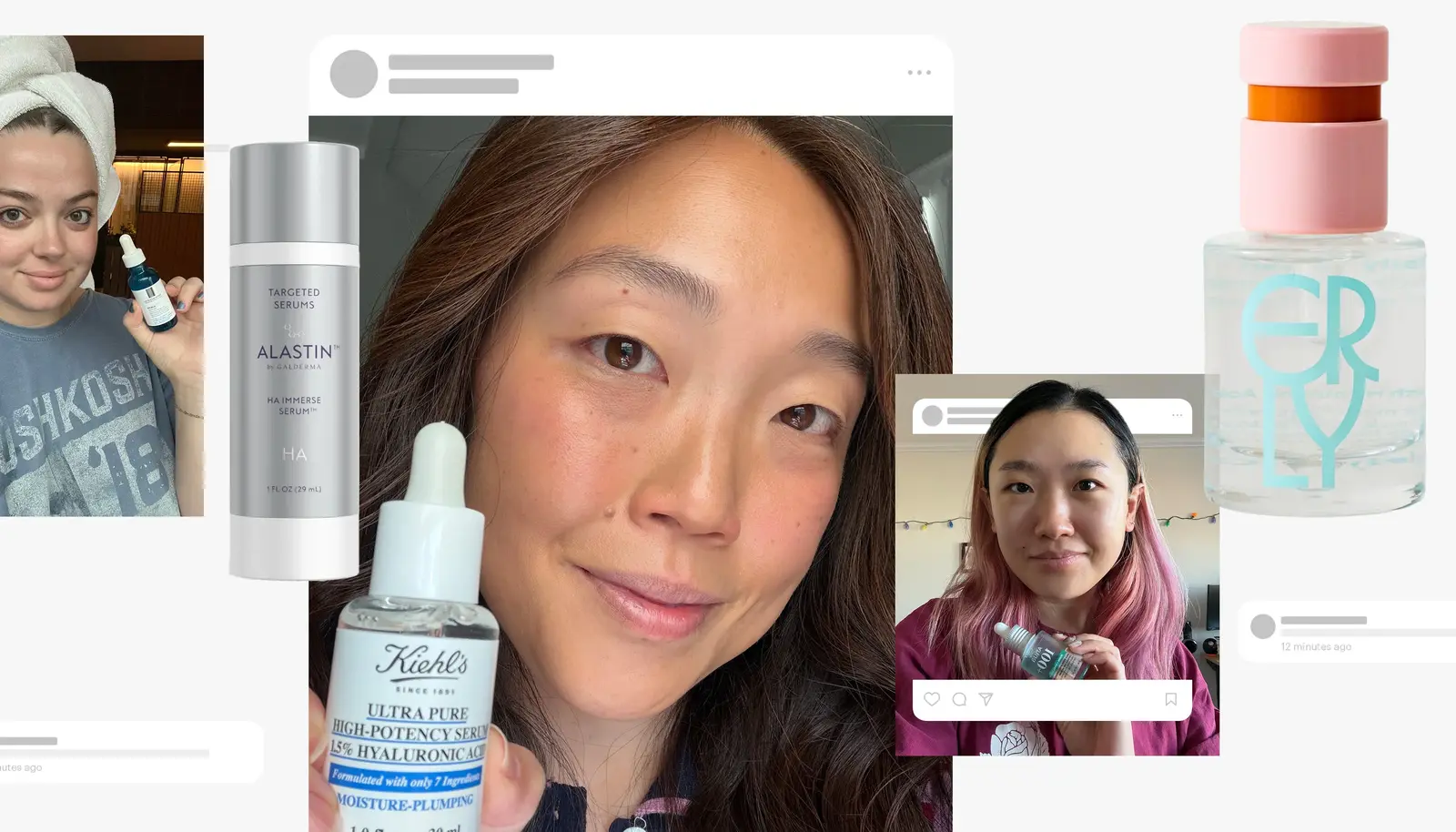
Best Hyaluronic Acid Serums for Dry and Dehydrated Skin in 2026
How Modern Serums Balance Penetration and Protection
The skincare market has seen a surge in hyaluronic acid serums, prized for their ability to lock in moisture and smooth fine lines. These lightweight formulas appeal to all skin types, including sensitive complexions, and are now a staple for anyone seeking a plump, radiant look. Experts say the right serum can reinforce the skin barrier while delivering a dewy finish, making it a must‑have in daily routines.
Breaking News
 NYC Jewelry Week Honors High School Talent With New Award
 Nike Gyakusou Running Line Returns After Five-Year Hiatus
 The Best Long-Lasting Perfumes You Can Bank On
 Swinging Sixties fashion trends are making a strong return to runways and retail floors
Hyaluronic acid, despite its name, is not an exfoliating acid but a humectant that attracts up to 1,000 times its weight in water. Modern formulations combine low‑molecular‑weight variants for deeper penetration with larger molecules that sit on the surface, creating a two‑layer hydration system. Dermatologists note that consistent use can reduce the appearance of fine lines and improve skin elasticity, especially in dry or dehydrated skin. Brands have refined delivery methods, adding antioxidants, peptides, and soothing botanicals to enhance efficacy and minimize irritation.
Today's top serums blend multiple molecular sizes of hyaluronic acid to ensure both immediate surface moisture and lasting deep hydration. Clinical trials cited by leading dermatology labs show a 30‑percent increase in skin hydration after two weeks of twice‑daily application. Formulations often include niacinamide to support barrier function and ceramides to lock in moisture. One product developer explained that pairing hyaluronic acid with vitamin C stabilizes the antioxidant, boosting brightening effects without compromising the serum's gentle nature.
Which Hyaluronic Acid Serum Should You Choose?
Consumers report that the light texture of these serums layers well under moisturizers and sunscreens, preventing the greasy feel associated with older moisturizers. The absence of fragrance and parabens in many 2026 releases also caters to those with reactive skin, reducing the risk of flare‑ups.
Selecting the right serum depends on skin concerns and budget. For budget‑conscious shoppers, drugstore options now match the performance of high‑end brands, thanks to advances in polymer technology. Premium lines often incorporate additional actives like retinol or peptides, targeting both hydration and anti‑aging in a single step. Dermatologists recommend patch‑testing new serums and starting with a small amount to gauge tolerance.
A recent consumer survey revealed that 68 % of users prefer serums that absorb within seconds, while 45 % prioritize products with added antioxidants. Those with extremely dry skin benefit from serums that contain a blend of hyaluronic acid and glycerin, creating a synergistic effect that draws moisture from both the environment and deeper skin layers.
The growing popularity of hyaluronic acid serums signals a shift toward minimalist, ingredient‑focused skincare. As research continues to uncover new delivery mechanisms, the market is likely to see even more potent, yet gentle, formulations that cater to diverse skin needs.
Frequently Asked Questions
What makes hyaluronic acid different from other acids used in skincare? Hyaluronic acid is a humectant that attracts water, whereas acids like glycolic or salicylic exfoliate by dissolving dead skin cells. It hydrates without irritating the skin barrier.
Can I use a hyaluronic acid serum on oily skin? Yes. Its lightweight, water‑based formula does not add oil, and it can actually help balance oil production by keeping the skin properly hydrated.
How often should I apply a hyaluronic acid serum? For best results, apply twice daily—morning and night—after cleansing and before moisturizer, using a few drops to cover the face and neck.