Dermatologists reveal essential winter skincare adjustments
Why Winter Skin Requires Different Care
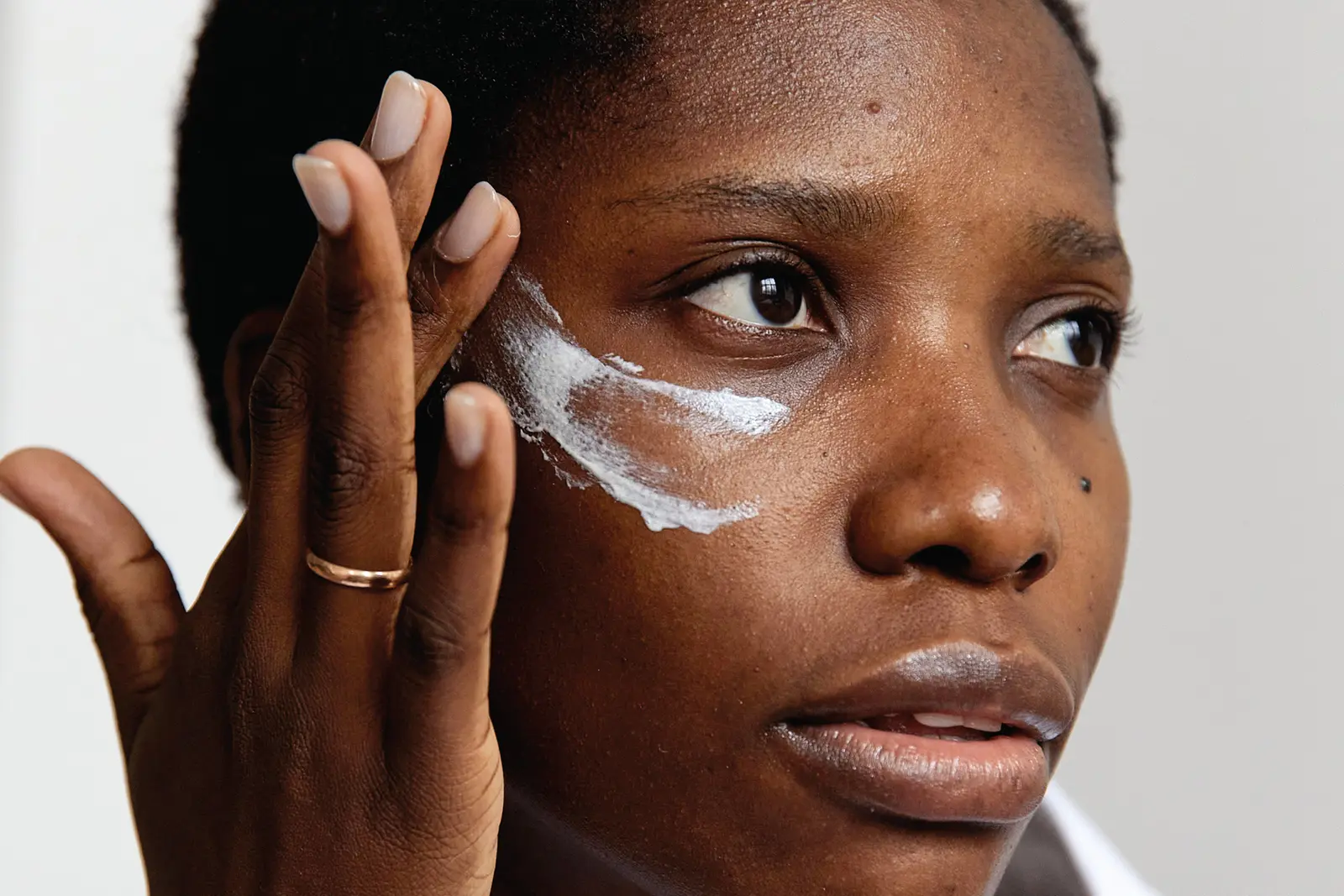
Dermatologists have outlined the most effective skincare strategies for the approaching cold season. As temperatures drop and indoor heating systems activate, many individuals face significant changes in their skin health. Experts emphasize that standard summer routines often fail during this period. Professional advice now focuses on protecting the skin barrier against environmental stressors. This guidance aims to prevent common winter skin issues before they become severe.
Breaking News
 Google's 2026 Holiday 100: The Viral Beauty Products Everyone Is Searching For
 Winter 2027 pedicure trends favor bold, warm tones over neutral shades
 Animal Prints Make a Stylish Comeback on Winter Nails
 Best Beauty Gifts That Will Actually Get Used
Cold weather and fluctuating indoor temperatures create a hostile environment for the epidermis. Central heating dries out the air, stripping moisture from the skin surface. Outdoor winds further compromise the skin's natural lipid layer. Consequently, the skin becomes more permeable and prone to irritation. Dermatologists note that this combination leads to tightness, flaking, and increased sensitivity. Understanding these factors is crucial for selecting the right products.
The primary challenge in winter is maintaining hydration without clogging pores. Standard lightweight lotions may not provide sufficient occlusion to lock in moisture. Experts recommend switching to thicker creams that contain ceramides or hyaluronic acid. These ingredients help repair the skin barrier and retain water. Sun protection remains vital even when the sun appears less intense. Snow and ice reflect ultraviolet rays, increasing exposure risk. Therefore, a broad-spectrum sunscreen should remain part of the daily regimen.
How To Prevent Dryness And Flaking
Gentle cleansing is another critical adjustment. Harsh foaming cleansers can strip away essential oils. Dermatologists suggest using cream-based or oil-based cleansers instead. These formulas dissolve impurities while preserving the skin’s natural moisture balance. Over-exfoliation should be avoided during this time. Physical scrubs can cause micro-tears in already fragile skin. Enzymatic exfoliants or low-concentration chemical exfoliants offer safer alternatives. They remove dead cells without causing excessive irritation.
Consistency is key to managing winter skin conditions. Applying moisturizer immediately after bathing helps seal in water. The skin is most absorbent when damp, making this timing optimal. Layering products can also enhance effectiveness. A serum followed by a rich cream provides deeper hydration. For extremely dry areas, a facial oil can act as a final sealing layer. This approach prevents transepidermal water loss throughout the day.
Individuals with sensitive skin should patch test new products. Introducing multiple new items simultaneously makes it difficult to identify reactions. Gradual integration allows the skin to adjust. If redness or stinging persists, consulting a professional is advisable. Do not ignore persistent dryness, as it can lead to eczema flare-ups. Proactive care reduces the need for intensive treatments later.
Frequently Asked Questions
Should I use a humidifier in my bedroom? Yes, a humidifier helps maintain ambient humidity levels. This prevents the air from becoming too dry and damaging your skin barrier overnight.
Is it safe to take hot showers in winter? Moderate warmth is acceptable, but scalding heat strips natural oils. Limit shower duration and follow up with moisturizer immediately after drying off.
Can I wear sunscreen on cloudy days? Absolutely, UV rays penetrate clouds and reflect off snow. Daily application protects against photoaging and hyperpigmentation year-round.