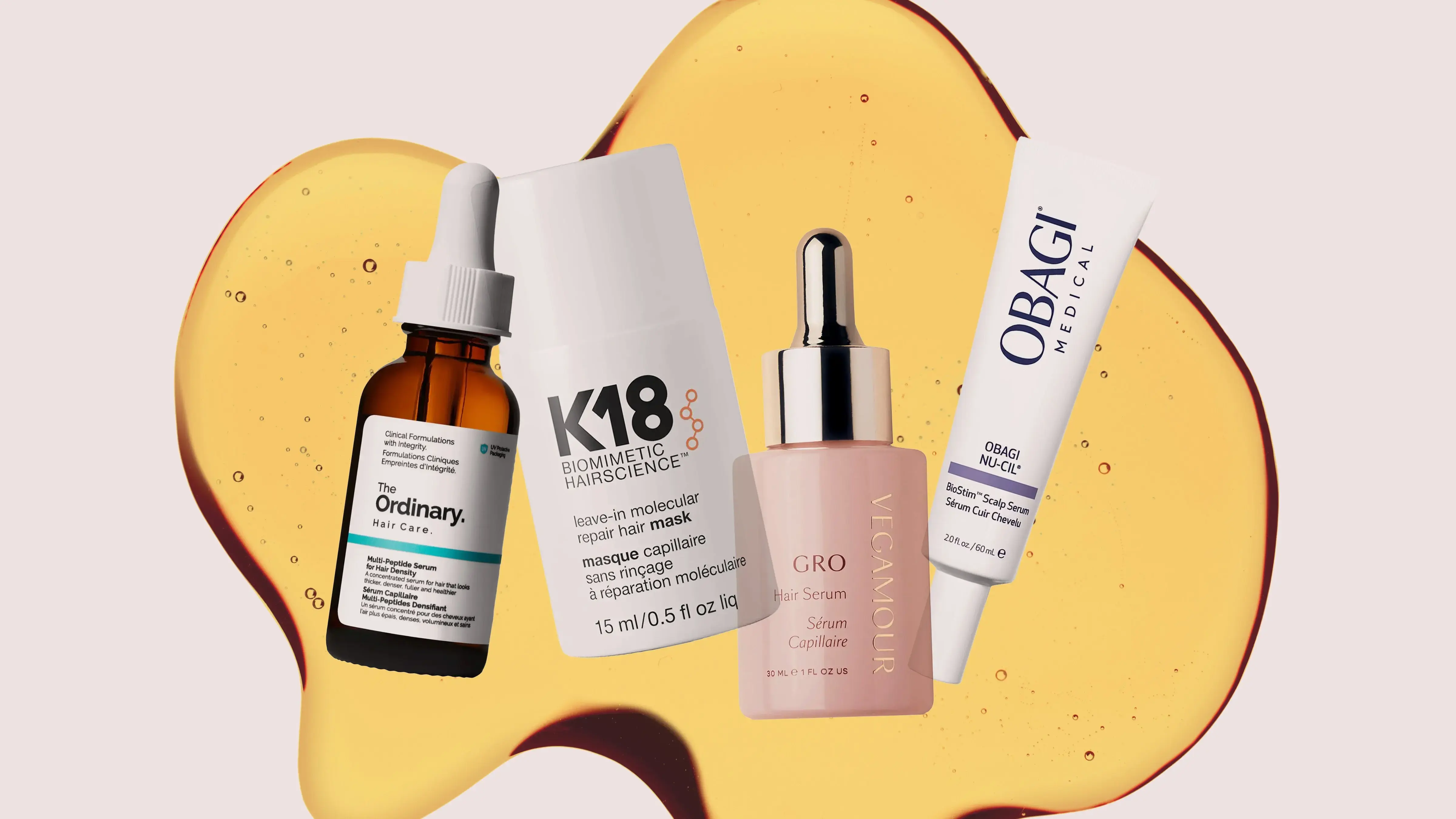
Do Peptide Serums Actually Fix Thinning Hair? Dermatologists Weigh In
Setting Realistic Expectations for Topical Treatments
Dermatologists are now clarifying the true capabilities of peptide-based hair serums for consumers seeking solutions to thinning hair. Released in late August 2026, this expert analysis breaks down exactly what these topical treatments can achieve. The guidance aims to separate marketing hype from clinical reality regarding scalp health and hair density.
Breaking News
 Hollywood Elite Honor Carpenter, Theron, and Domingo at Academy Museum Gala
 The Next Generation of Collagen: Small Peptides, Big Claims
 The Impending Rise of Cobalt Blue in 2027 Fashion
 The Secret to a Flawless Autumn Complexion is Sunscreen Layering
Experts emphasize that peptides are not a cure-all for hair loss. Instead, they function as supportive agents within a broader hair care routine. These molecules help strengthen existing hair strands and improve the overall appearance of the scalp. However, they do not regenerate lost follicles or reverse advanced stages of alopecia. Understanding this distinction is crucial for setting realistic expectations before purchasing any product.
The primary benefit of peptide serums lies in their ability to fortify the hair shaft. By reinforcing the structural integrity of each strand, these products reduce breakage and split ends. This results in hair that looks thicker and fuller, even if the actual number of follicles remains unchanged. Dermatologists note that consistency is key; users must apply the serum regularly to see visible improvements in texture and volume.
Can Peptides Replace Prescription Medications?
Peptides work by signaling cells to produce specific proteins necessary for hair strength. They often target the cortex and cuticle layers, which are prone to damage from heat styling and environmental stressors. While they cannot stimulate new growth in bald spots, they create a healthier environment for existing hair to thrive. This makes them an excellent preventive measure rather than a corrective one for severe thinning.
No, peptide serums should not replace prescribed medications like finasteride or minoxidil for significant hair loss. If a patient is experiencing rapid shedding or noticeable balding, a doctor will typically recommend stronger clinical interventions first. Peptides serve as a complementary layer of care, helping to maintain the health of remaining hair while other treatments address the root cause of loss.
Combining peptides with other active ingredients can enhance overall scalp health. Many formulations include hyaluronic acid or vitamins to hydrate the scalp and support circulation. This multi-faceted approach ensures that the hair follicles receive adequate nutrients and moisture. Users should look for products that list specific peptide types on the label to ensure efficacy.
The outlook for peptide technology in hair care remains positive. As research continues, scientists may discover new peptide sequences that offer stronger regenerative properties. For now, consumers should view these serums as essential maintenance tools rather than miracle cures. Patience and consistent application are required to witness any tangible changes in hair quality.
Frequently Asked Questions
Do peptide serums work on all hair types? Yes, peptides are generally safe and effective for most hair textures. However, those with very fine hair might prefer lighter, water-based formulas to avoid weighing down their strands.
How long does it take to see results? Most users report noticing improved shine and reduced breakage within four to six weeks of consistent use. Significant changes in perceived thickness may take three months or longer to become apparent.
Can I use peptide serums daily? Daily application is usually recommended for best results. Always follow the specific instructions provided by the manufacturer to prevent potential buildup on the scalp.