Formulating Effective Lash Serums: Key Insights for Brands
Balancing Polymer Removal and Follicle Health
The global beauty market is seeing a surge in demand for eyelash growth serums. Consumers are increasingly seeking solutions to counteract daily cosmetic wear. Morgane Piet examines the technical challenges behind creating these formulations. The focus lies on balancing efficacy with user experience. This analysis provides critical guidance for product developers aiming to enter this competitive sector.
Breaking News
 NYC Jewelry Week Honors High School Talent With New Award
 Nike Gyakusou Running Line Returns After Five-Year Hiatus
 The Best Long-Lasting Perfumes You Can Bank On
 Swinging Sixties fashion trends are making a strong return to runways and retail floors
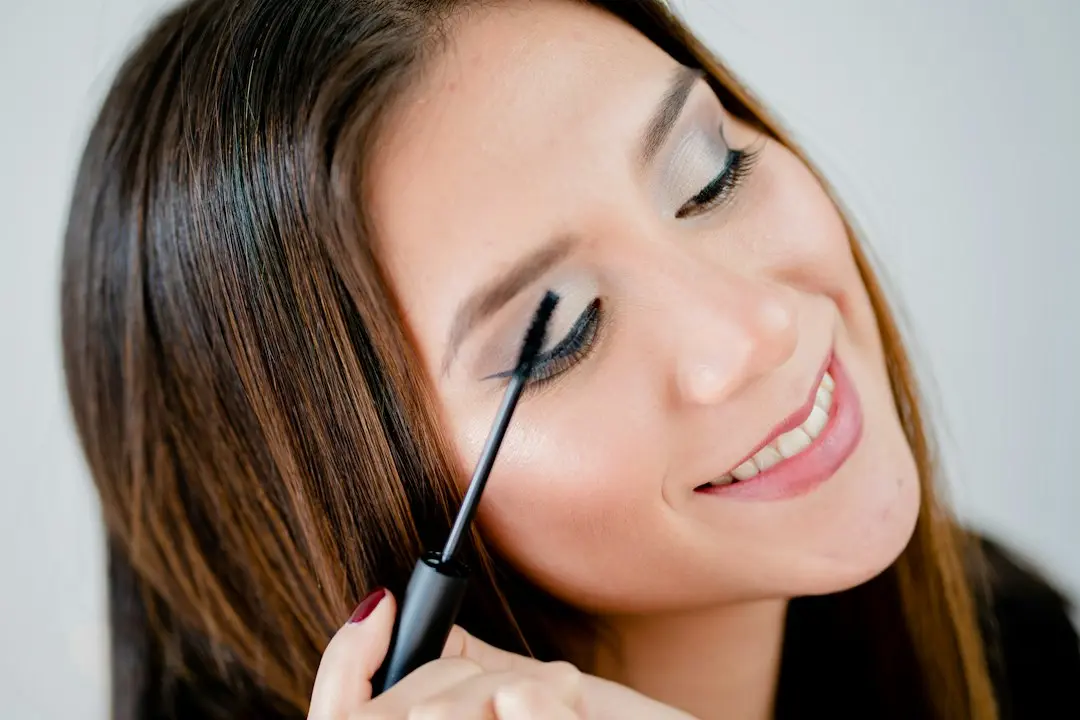
Daily use of mascara remains a standard part of many beauty routines. However, this habit often leads to gradual lash deterioration over time. The repeated application and removal process places significant stress on hair follicles. Waterproof mascaras exacerbate this issue due to their complex chemical composition. These formulas contain film-forming polymers that create a durable coating on the lashes. Removing this layer typically requires vigorous rubbing or specialized solvents. Such aggressive cleaning methods weaken the hair structure significantly. Consequently, lashes become brittle and prone to breakage. This cycle of damage creates a clear need for restorative treatments.
Why Do Standard Cleansers Fail to Protect Lashes?
Developers must understand the mechanical stress involved in makeup removal. Standard cleansing methods often fail to fully dissolve waterproof polymers without friction. This friction damages the cuticle layer of the lash hair. A well-designed serum should address both the external damage and the internal health of the follicle. Ingredients must penetrate the skin barrier to reach the root. Simultaneously, they need to coat the shaft to protect against future environmental stress. The formulation process requires careful selection of active ingredients. Peptides and biotin are common choices for stimulating growth. However, carriers play an equally vital role in delivery efficiency. Without proper vehicle systems, actives may not reach their target sites effectively.
Most conventional cleansers prioritize removing oil and pigment over preserving hair integrity. They often lack conditioning agents that reinforce the lash structure during the washing process. This leaves the hair vulnerable during the critical phase of makeup removal. Serum developers are now looking at dual-phase approaches. One component focuses on immediate structural reinforcement. The other targets long-term follicle stimulation. This comprehensive strategy addresses the root cause of lash loss. It moves beyond simple cosmetic enhancement to true biological support.
The outlook for the lash care category suggests a shift toward preventive maintenance. Brands that highlight the science behind polymer removal will gain consumer trust. Future products may integrate smart delivery systems for better absorption. The market will likely favor transparent labeling regarding ingredient concentrations. As consumers become more educated, they will demand proven results rather than marketing claims. Manufacturers must bridge the gap between laboratory data and real-world performance to succeed.
Frequently Asked Questions
How does waterproof mascara damage eyelashes? Waterproof formulas contain tough polymers that resist water. Removing them requires heavy rubbing, which mechanically weakens the hair shaft and causes breakage over time.
What is the primary goal of a lash serum? The main objective is to stimulate follicle activity and strengthen existing hairs. It aims to reverse damage caused by cosmetic use and environmental factors.