Navigating the Labyrinth of Modern Anti-Aging Skincare Ingredients
Separating Laboratory Science from Marketing Fiction
Cosmetic chemist Chiara Butler revealed key insights regarding popular anti-aging skincare trends this September 2026, helping consumers differentiate between scientifically proven formulations and clever marketing hype. The beauty industry continuously floods the market with revolutionary compounds promising eternal youth, leaving many buyers confused about where to invest their hard-earned money.
Breaking News
 Hollywood Elite Honor Carpenter, Theron, and Domingo at Academy Museum Gala
 The Next Generation of Collagen: Small Peptides, Big Claims
 The Impending Rise of Cobalt Blue in 2027 Fashion
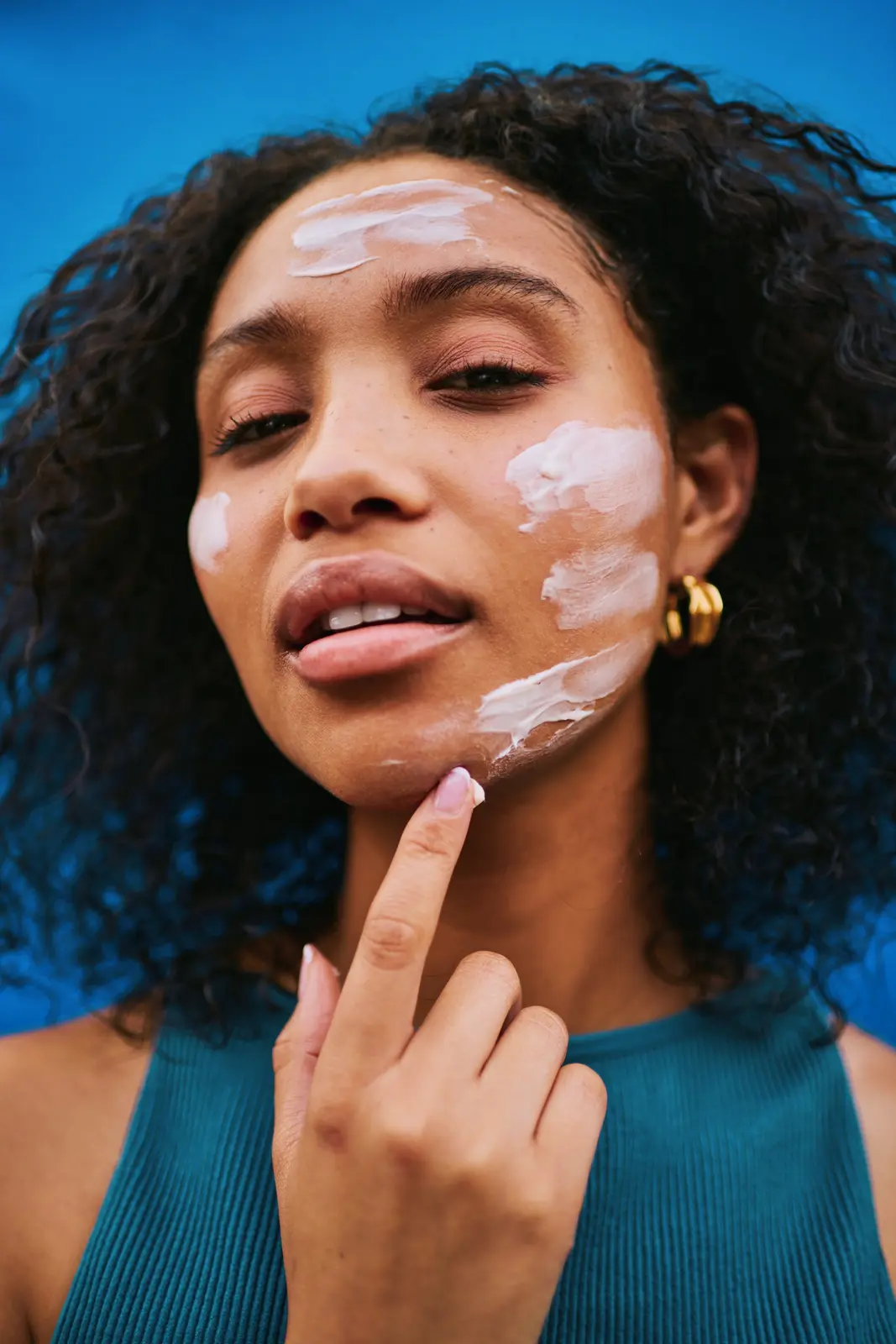
 The Secret to a Flawless Autumn Complexion is Sunscreen Layering
Understanding the complex science behind topical treatments requires looking past flashy packaging and celebrity endorsements. Experts analyze molecular structures to determine whether active compounds can actually penetrate the skin barrier and stimulate collagen production. Many trendy ingredients offer temporary hydration while claiming dramatic cellular transformation, leading to widespread consumer disappointment and wasted spending.
Effective formulations typically rely on decades of peer-reviewed dermatological research rather than overnight botanical discoveries. Retinoids, hyaluronic acid, and certain peptides consistently demonstrate measurable improvements in skin elasticity and texture over prolonged usage periods. Conversely, exotic plant extracts often lack the clinical trial data necessary to support their inflated price tags and bold rejuvenation claims.
Are Botanical Extracts Actually Worth Your Money?
Shoppers must learn to read ingredient lists critically to identify active concentrations rather than relying on front-label buzzwords. Marketing teams frequently list powerhouse ingredients near the very end of the formulation, meaning their actual presence is negligible. True efficacy depends heavily on the overall delivery system and pH balance of the final bottled product.
Natural ingredients enjoy immense popularity among consumers seeking clean beauty alternatives, but their stability remains a major challenge. Plant-based antioxidants degrade rapidly when exposed to everyday light and oxygen, rendering them completely inactive long before the bottle finishes. Synthetic alternatives often provide superior stability and targeted delivery mechanisms without sacrificing safety or environmental standards.
Smart skincare routines prioritize consistency and proven chemistry over chasing every new social media beauty fad that emerges. Consulting qualified cosmetic chemists and dermatologists ensures that personal regimens target specific aging concerns with appropriate, active potencies. The future of skincare points toward personalized formulations based on individual skin biology rather than one-size-fits-all miracle creams.
Frequently Asked Questions
What makes a skincare ingredient scientifically effective? An effective ingredient must possess a molecular structure small enough to penetrate the skin barrier. It also requires clinical data proving it can influence cellular behavior or collagen production.
Why do natural plant extracts often fail to work? Botanical extracts typically degrade rapidly when exposed to light, air, and heat in standard packaging. This breakdown destroys their active properties long before the consumer finishes the product.
How can shoppers avoid buying overhyped beauty products? Consumers should always inspect ingredient lists to ensure active compounds appear near the top. Prioritizing peer-reviewed actives over exotic, unproven plant extracts prevents wasted spending on marketing hype.