
Skin Longevity Testing Redefines Cosmetic Efficacy Standards
Brands that fail to update their validation methods risk losing credibility
The cosmetic industry is shifting focus from anti-aging to skin longevity, demanding new testing protocols. Brands now need advanced methods to generate reliable scientific data. This change reflects consumer demand for evidence-based skincare solutions. The transition marks a fundamental rethinking of how product efficacy is evaluated. Instead of simply reducing visible signs of aging, the new approach focuses on maintaining skin health over time. Companies must adopt specialized cosmetic testing to support these longevity claims with robust scientific evidence. From Anti-Aging to Longevity: What Changed? The old model centered on reversing wrinkles and pigmentation. The new longevity framework emphasizes barrier function, hydration retention, and cellular resilience. Testing now measures how well a product preserves skin structure across years, not just weeks.
Breaking News
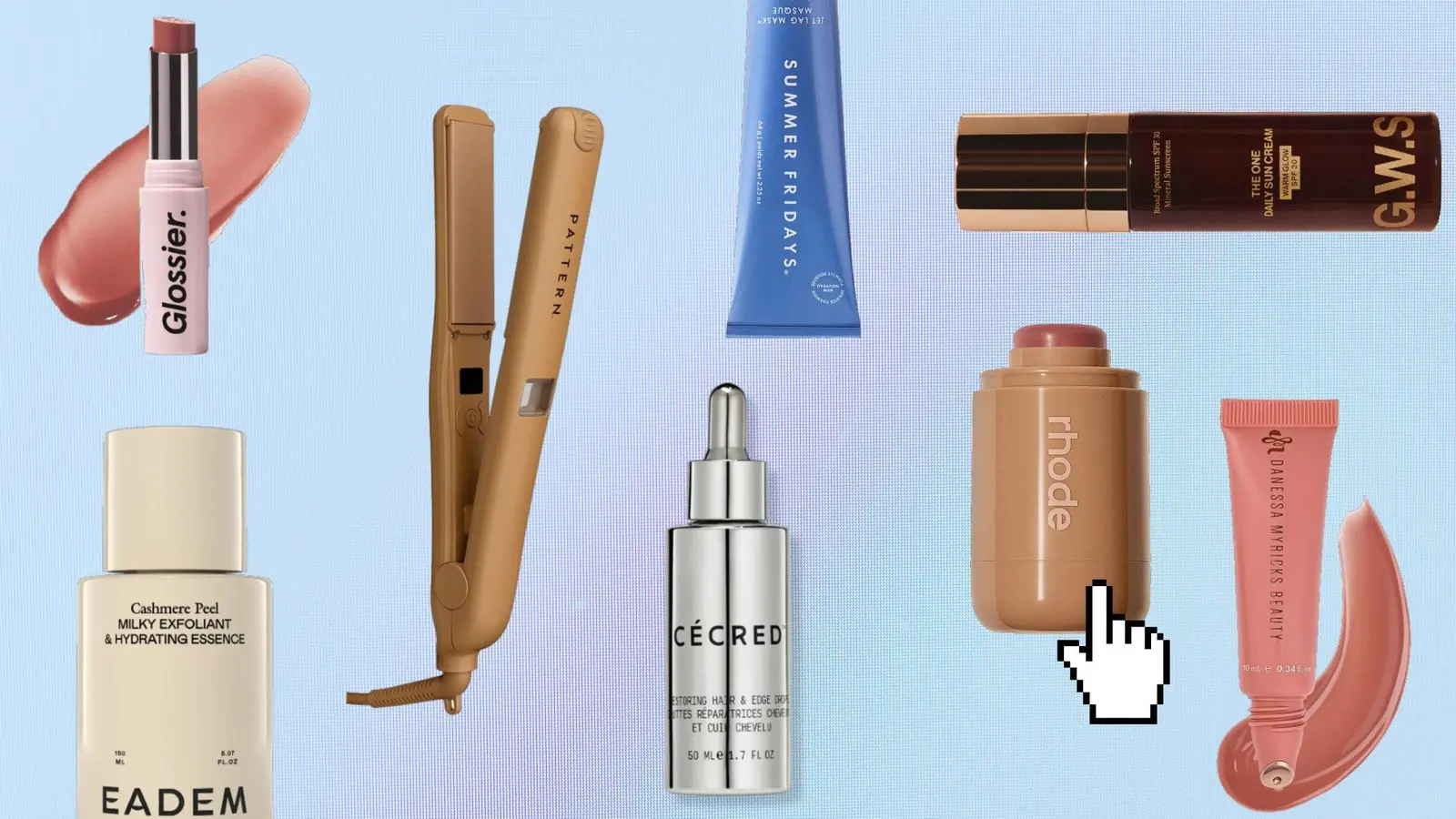 Google's 2026 Holiday 100: The Viral Beauty Products Everyone Is Searching For
 Winter 2027 pedicure trends favor bold, warm tones over neutral shades
 Animal Prints Make a Stylish Comeback on Winter Nails
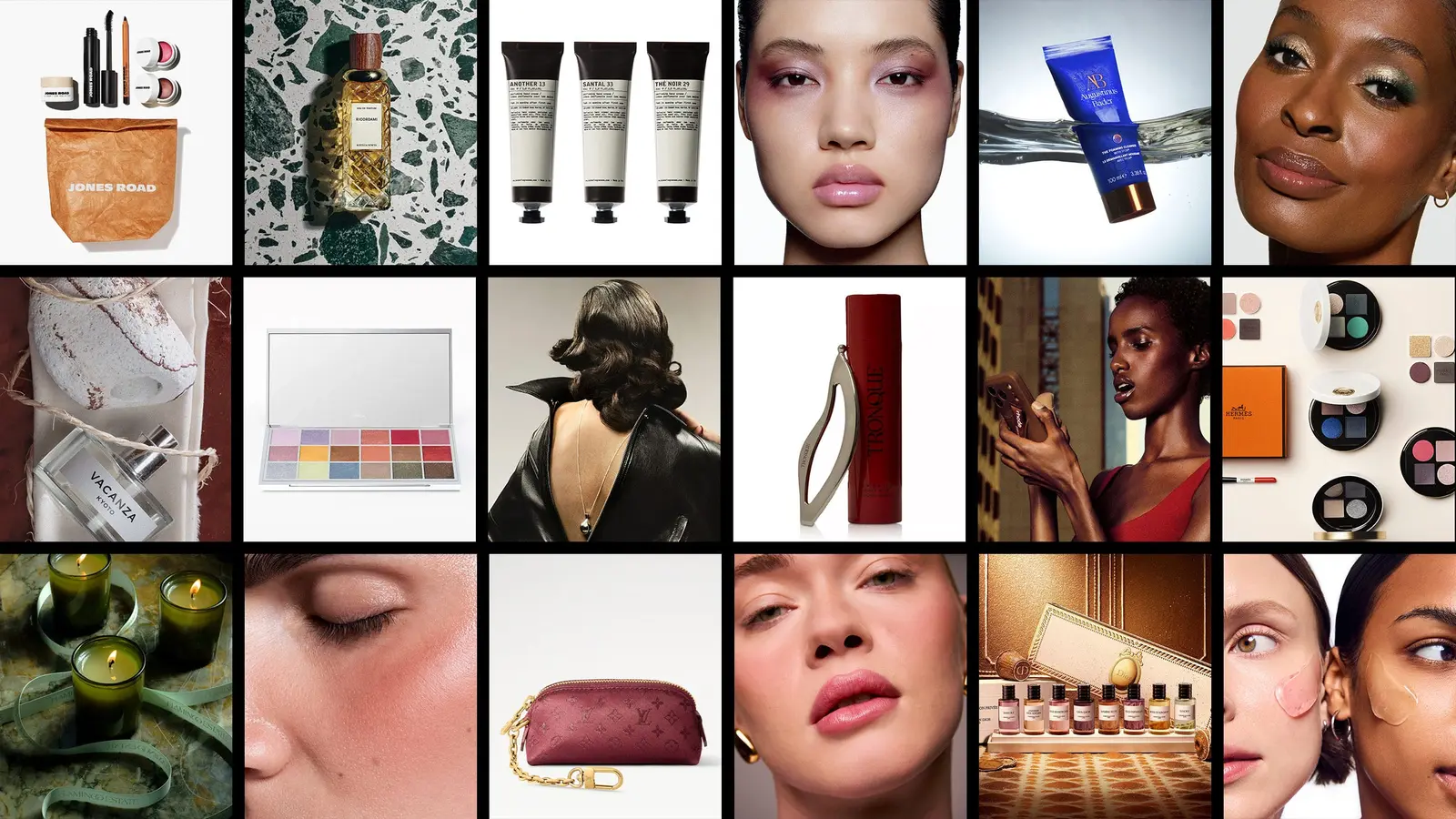 Best Beauty Gifts That Will Actually Get Used
Brands that fail to update their validation methods risk losing credibility with science-minded buyers. Why Do Consumers Demand More Scientific Proof? Shoppers increasingly scrutinize ingredient lists and clinical trial data before purchase. They want to know if a product truly delivers on its promises. This pressure forces manufacturers to invest in rigorous testing infrastructure and transparent reporting. The shift also affects regulatory expectations. Agencies are watching how companies substantiate longevity claims. Products making bold promises without adequate data face higher risk of challenge. Frequently Asked Questions What does skin longevity testing actually measure? It evaluates barrier integrity, moisture retention, and cellular health over extended periods. Unlike short-term anti-aging trials, these studies track long-term skin function rather than cosmetic appearance alone. How does this differ from traditional anti-aging testing? Traditional tests focus on wrinkle depth and pigmentation over 8-12 weeks.
Longevity testing extends the observation window and adds biomarker analysis to assess underlying skin biology.