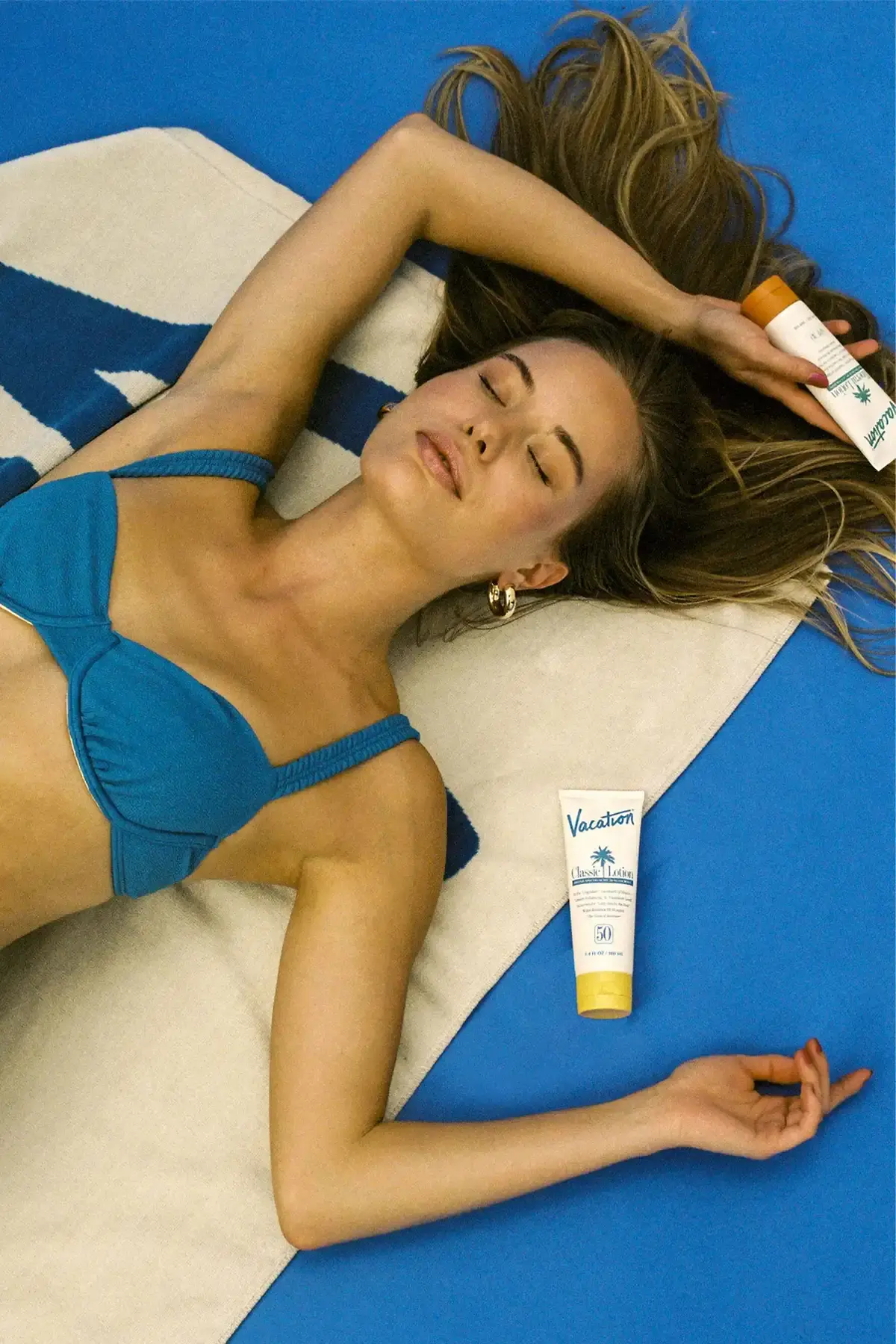
SPF Moves From After‑thought to Daily Must‑Have in Beauty Routines
From Sunscreen to Skin‑Care Staple: How Brands Are Redefining SPF
June 8, 2026 – Skincare experts note that sunscreen, once seen as a seasonal chore, has become a core component of everyday beauty regimens across the United States and Europe. Dermatologists, influencers, and major brands now champion SPF as essential, driving a surge in product launches and consumer spending this year.
Breaking News
 Kim Kardashian Stuns in Dramatic Cutout Dress for Early Birthday
 The Evolution of Angel Hair and Makeup at Victoria’s Secret
 Nike’s Fanciest Forces Refuse to Clock Out
 Hollywood Elite Honor Carpenter, Theron, and Domingo at Academy Museum Gala
The shift reflects growing awareness of skin‑cancer risks and photo‑aging, coupled with innovative formulations that blend sun protection with moisturizers, foundations, and tinted creams. Broad‑spectrum filters now meet stricter EU standards, allowing lighter textures that feel less greasy. Market analysts report a 12 % year‑over‑year rise in SPF‑infused cosmetics, signaling that protection is no longer an add‑on but a baseline expectation.
Leading brands are embedding SPF into every step of the routine, from cleansers to serums. „Consumers want protection without compromising on feel or finish,” says Maya Patel, product development director at a major skincare firm. The result is a wave of multitasking products that deliver SPF 30‑50 while delivering antioxidant benefits. Retail shelves now feature tinted moisturizers with SPF 45 that double as light coverage foundations, appealing to younger shoppers who value simplicity.
Will SPF Remain a Beauty Essential or Fade as Trends Shift?
Regulatory bodies have also tightened labeling rules, forcing companies to disclose exact UVA/UVB protection levels. This transparency has boosted consumer confidence, prompting a 20 % increase in repeat purchases of SPF‑rich products within six months of launch. Moreover, the rise of „clean” sunscreen—formulas free from oxybenzone and octinoxate—aligns with broader sustainability trends, attracting eco‑conscious buyers.
Some market watchers wonder whether the current enthusiasm could wane as new skin‑care technologies emerge. „If we see breakthroughs in DNA repair or indoor lighting that mimics natural sunlight, the perceived need for daily SPF might diminish,” notes Dr. Luis Ortega, a dermatologist at a coastal clinic. Yet, the prevalence of indoor UV exposure from LED screens and the ongoing rise in melanoma rates suggest that protection will stay relevant.
Future product development may focus on integrating SPF with emerging ingredients like peptide‑based DNA repair complexes, creating a hybrid approach that both shields and heals. Until such innovations become mainstream, the industry is likely to double down on education campaigns that stress lifelong sun safety, reinforcing SPF’s place in daily routines.
The continued emphasis on SPF signals a lasting change in how consumers view skin health. As brands innovate and regulators enforce clearer standards, sun protection is set to remain a non‑negotiable element of beauty, shaping product lines for years to come.
Frequently Asked Questions
Why is SPF now included in makeup products? Consumers prefer streamlined routines; embedding SPF in foundations and powders offers protection without extra steps, encouraging consistent daily use.
Are „clean” sunscreens as effective as traditional formulas? When formulated with mineral filters like zinc oxide or titanium dioxide, clean sunscreens meet broad‑spectrum standards and provide comparable protection to chemical counterparts.
How much SPF is recommended for everyday use? Dermatologists advise a minimum of SPF 30 applied liberally to exposed skin each morning, reapplying after swimming, sweating, or prolonged outdoor exposure.