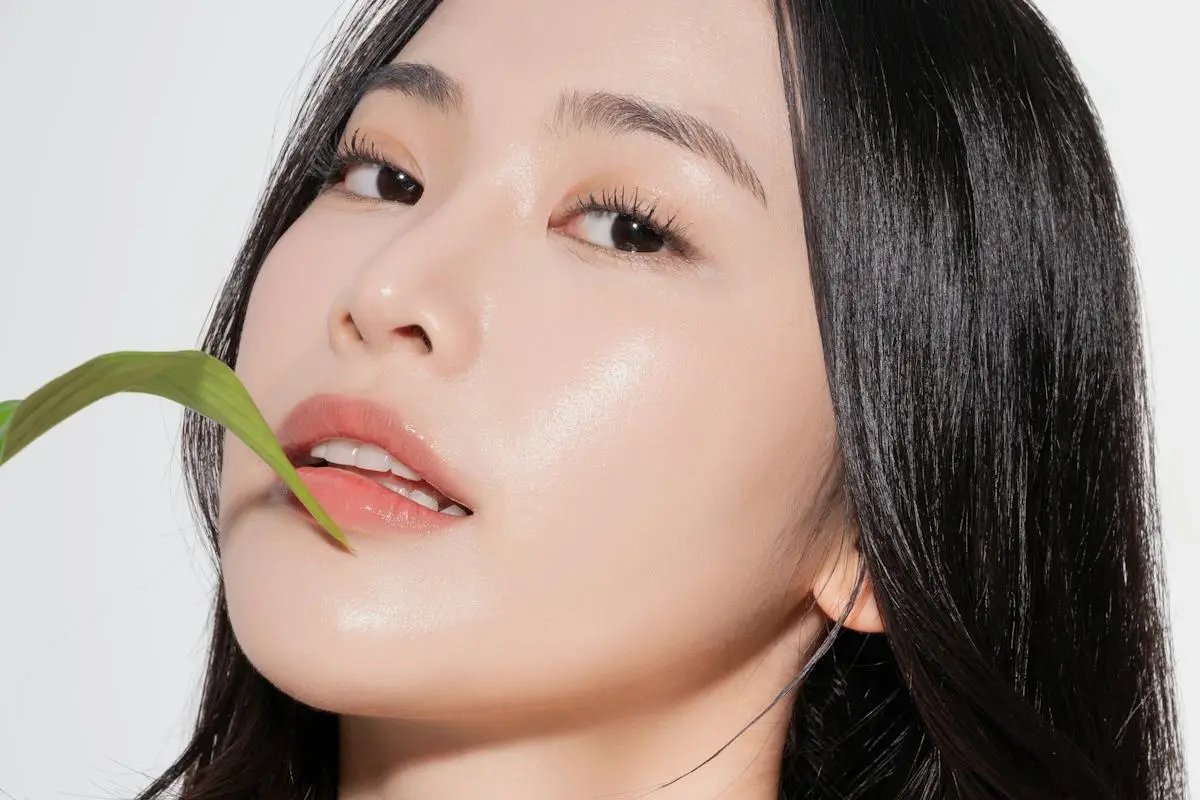
The Rising Power of Green Tea in 2026 Skin Care
How Green Tea Transforms Routine Skincare
In 2026, green tea has moved beyond the kitchen to become a staple in beauty routines worldwide. Dermatologists and cosmetic scientists now endorse its antioxidant properties for calming irritation, reducing redness, and fighting early signs of aging. From serums to masks, products infused with green tea are available for every skin type and concern.
Breaking News
 Hollywood Elite Honor Carpenter, Theron, and Domingo at Academy Museum Gala
 The Next Generation of Collagen: Small Peptides, Big Claims
 The Impending Rise of Cobalt Blue in 2027 Fashion
 The Secret to a Flawless Autumn Complexion is Sunscreen Layering
Green tea’s appeal lies in its potent blend of catechins, polyphenols, and vitamins that protect skin cells from oxidative stress. Studies published this year show that topical application can lower inflammatory markers by up to 30 % in sensitive skin, while also boosting collagen production in mature complexions. Manufacturers are leveraging these benefits by formulating lightweight creams, hydrating gels, and soothing toners that deliver the tea’s active compounds directly to the epidermis.
Beauty experts recommend incorporating a green‑tea‑infused toner after cleansing to restore pH balance and calm post‑exfoliation redness. Follow with a serum that contains EGCG, the most active catechin, for targeted antioxidant support. Finally, a night cream enriched with matcha powder can lock in moisture while the body repairs itself. This layered approach is praised for its simplicity and effectiveness, especially for those with reactive or combination skin.
Can Green Tea Replace Traditional Anti‑Aging Ingredients?
Clinical trials from the University of Tokyo and the Skin Research Institute in Seoul confirm that regular use of green‑tea products reduces fine lines by 18 % over six months. The research attributes this improvement to the tea’s ability to inhibit matrix metalloproteinases, enzymes that break down collagen. In addition, the mild astringent properties help control excess sebum without stripping essential oils, making it suitable for oily and acne‑prone faces.
Many consumers wonder if green tea can stand in for retinol or vitamin C. While it does not offer the same potency in stimulating cell turnover, it complements these actives by reducing irritation and supporting the skin barrier. Dermatologists advise using green‑tea products in the evening alongside a low‑dose retinol, as the antioxidant shield helps mitigate potential redness. For those seeking a natural alternative, a green‑tea‑based moisturizer can provide gentle protection against UV‑induced damage when combined with a broad‑spectrum sunscreen.
The market has responded to this demand with a surge of innovative formulations. Brands are now offering green‑tea‑infused facial oils, micellar cleansers, and even sheet masks that combine matcha with hyaluronic acid for instant hydration. Retail sales of these products have risen 22 % since the start of 2025, indicating a growing consumer trust in the ingredient.
Frequently Asked Questions
What skin concerns does green tea address? Green tea helps calm redness, reduce inflammation, and slow early aging signs. It also balances oil production and supports the skin barrier.
How often should I use green‑tea products? Daily use is recommended for maximum benefit. Apply after cleansing and before moisturizing, twice a day for optimal results.
Can I use green tea on sensitive skin? Yes. Its natural anti‑inflammatory properties make it ideal for sensitive or reactive skin. Patch test new products to ensure compatibility.