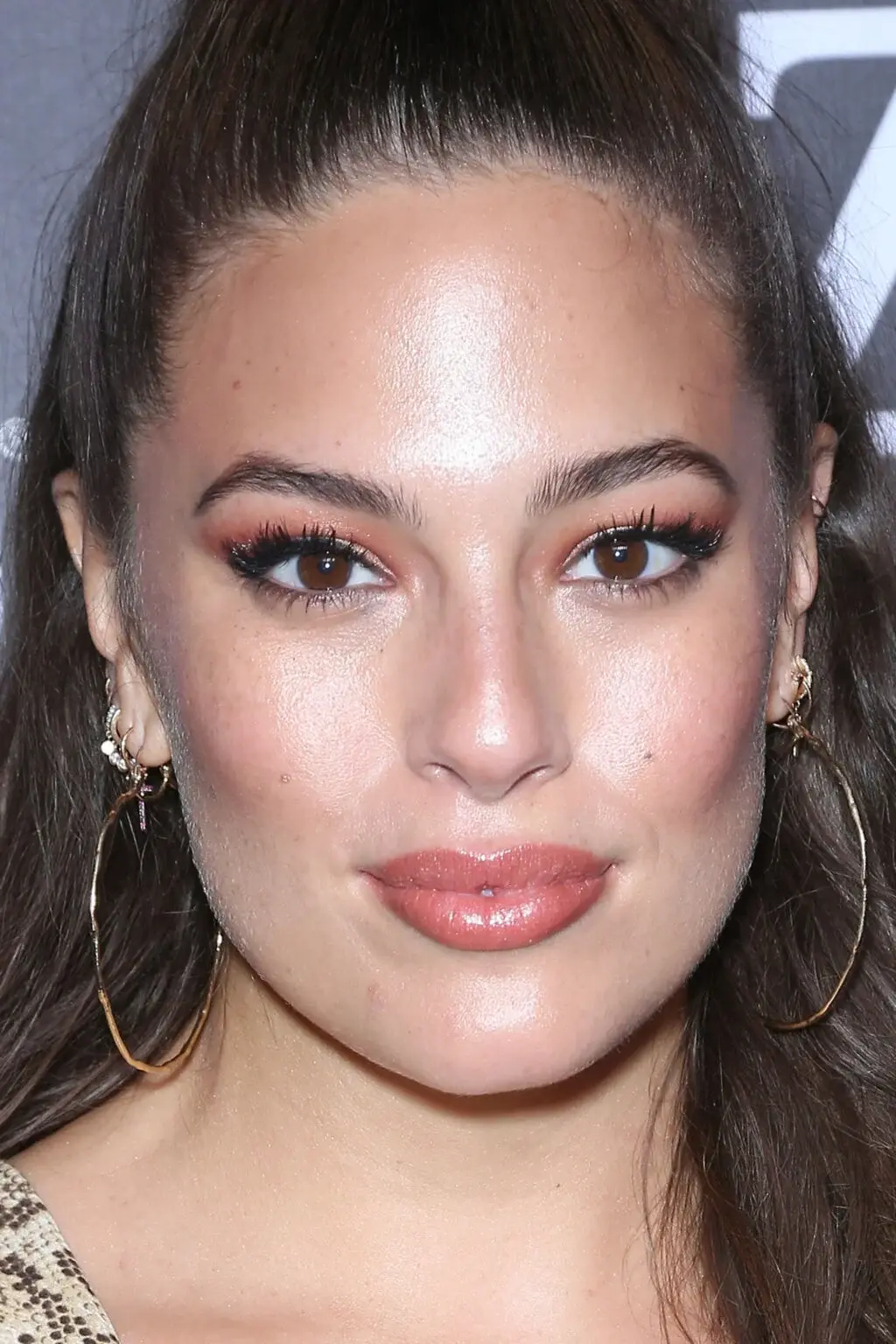
Vitamin C Serums Celebrities Swear By: 13 Top Picks for Radiant Skin
Celebrity‑Approved Formulas: From Clinical
In the world of celebrity beauty, vitamin C serums have become a staple for achieving a luminous complexion. From high‑end clinical brands to eco‑friendly clean beauty options, influencers and A‑listers share their favorite products on social media, Instagram, and in interviews. These serums promise brightening, antioxidant protection, and a healthy glow, making them a go‑to choice for skin‑care routines worldwide.
Breaking News
 Hollywood Elite Honor Carpenter, Theron, and Domingo at Academy Museum Gala
 The Next Generation of Collagen: Small Peptides, Big Claims
 The Impending Rise of Cobalt Blue in 2027 Fashion
 The Secret to a Flawless Autumn Complexion is Sunscreen Layering
The trend began when dermatologists highlighted the benefits of stable vitamin C derivatives, such as L‑ascorbic acid and sodium ascorbyl phosphate. Celebrities began endorsing products that combine these ingredients with hyaluronic acid, peptides, and soothing botanicals. The result is a diverse range of formulas that cater to different skin types, concerns, and budgets. Brands like SkinCeuticals, iS Clinical, and Fig.1 have gained particular attention for their clinical efficacy and clean‑beauty credentials. Fans now look to these products for a reliable way to maintain a youthful, radiant look.
How Do These Serums Work? What Makes Them Stand Out?
One standout is SkinCeuticals C E Ferulic, praised for its 15% vitamin C concentration and antioxidant synergy. Dermatologists note its proven ability to reduce fine lines and improve skin tone. Another popular choice is iS Clinical Vitamin C Serum, which contains 15% L‑ascorbic acid and a blend of peptides, delivering both brightening and firmness. For those seeking a cruelty‑free option, Fig.1’s Vitamin C Serum offers 10% L‑ascorbic acid with a plant‑based base, appealing to eco‑conscious consumers. Each of these products has been tested in clinical trials, ensuring they deliver measurable results without harsh side effects.
The appeal of these serums extends beyond the ingredients. Packaging design, ease of application, and the promise of a „glow‑boost” effect resonate with both celebrities and everyday users. Influencers often demonstrate the lightweight texture and quick absorption, emphasizing how the serum fits seamlessly into a nightly routine. By showcasing real‑world results, they encourage fans to try the same products for a noticeable improvement in skin health.
Will Celebrity Trends Shape the Skincare Market?
What makes these serums effective is the stability of the vitamin C formulation. L‑ascorbic acid is highly potent but can oxidize quickly. Brands that use stabilizers, such as ferulic acid or vitamin E, protect the active ingredient and extend shelf life. Additionally, many serums pair vitamin C with hyaluronic acid to boost hydration, and with peptides to support collagen production. This multi‑layered approach addresses both surface radiance and deeper structural concerns.
The difference between clinical and clean versions often lies in the choice of preservatives and fragrance. Clinical formulations may include synthetic preservatives for longer shelf life, while clean versions rely on natural alternatives like rosemary extract or tocopherol. Consumers who prioritize sustainability or have sensitive skin often gravitate toward the clean options, but both achieve comparable antioxidant benefits.
Frequently Asked Questions
The influence of celebrity endorsements on consumer behavior is undeniable. When a well‑known actress or pop star shares a serum on Instagram, sales can spike within days. This trend encourages brands to develop products that appeal to both medical professionals and beauty influencers, blurring the line between science and style. As the market grows, we may see more collaborations between dermatologists and celebrities, leading to formulas that are both clinically proven and visually appealing.
In the coming years, the demand for transparent ingredient lists and eco‑friendly packaging will likely increase. Consumers will expect brands to provide evidence of efficacy while maintaining ethical standards. Those who succeed will offer products that combine clinical rigor with sustainable practices, ensuring long‑term loyalty from both celebrities and everyday users.