A Decade Apart: Street Style Then and Now at the Fall Couture Shows
From Tulle to Tech: How Street Fashion Evolved Since 2016
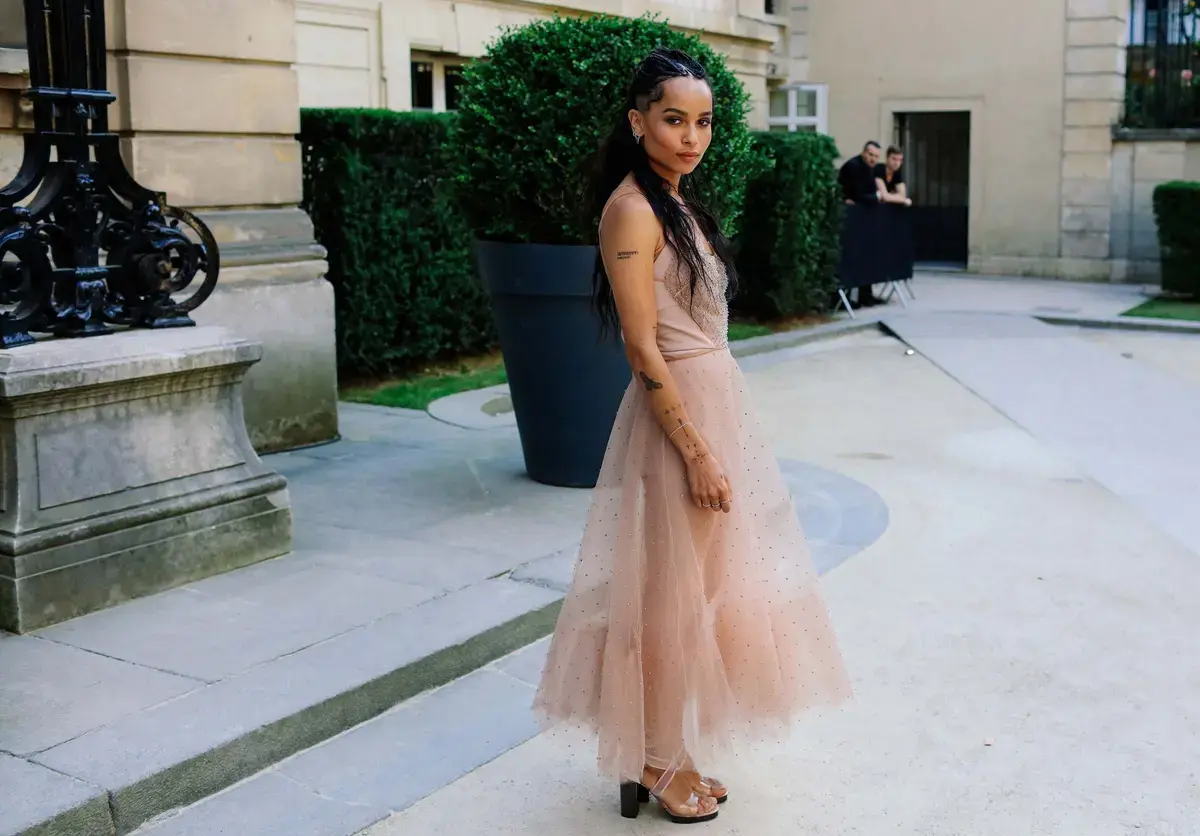
Paris, July 2026 – The upcoming fall couture week will debut collections by Pierpaolo Piccioli for Balenciaga, Duran Lantink for Jean Paul Gaultier, and Olivier Theyskens for Boloria. Organizers revisited the 2016 runway archives to compare street‑style snapshots, including Zoe Kravitz’s ballerina‑inspired tulle frock from that season.
Breaking News
 Hollywood Elite Honor Carpenter, Theron, and Domingo at Academy Museum Gala
 The Next Generation of Collagen: Small Peptides, Big Claims
 The Impending Rise of Cobalt Blue in 2027 Fashion
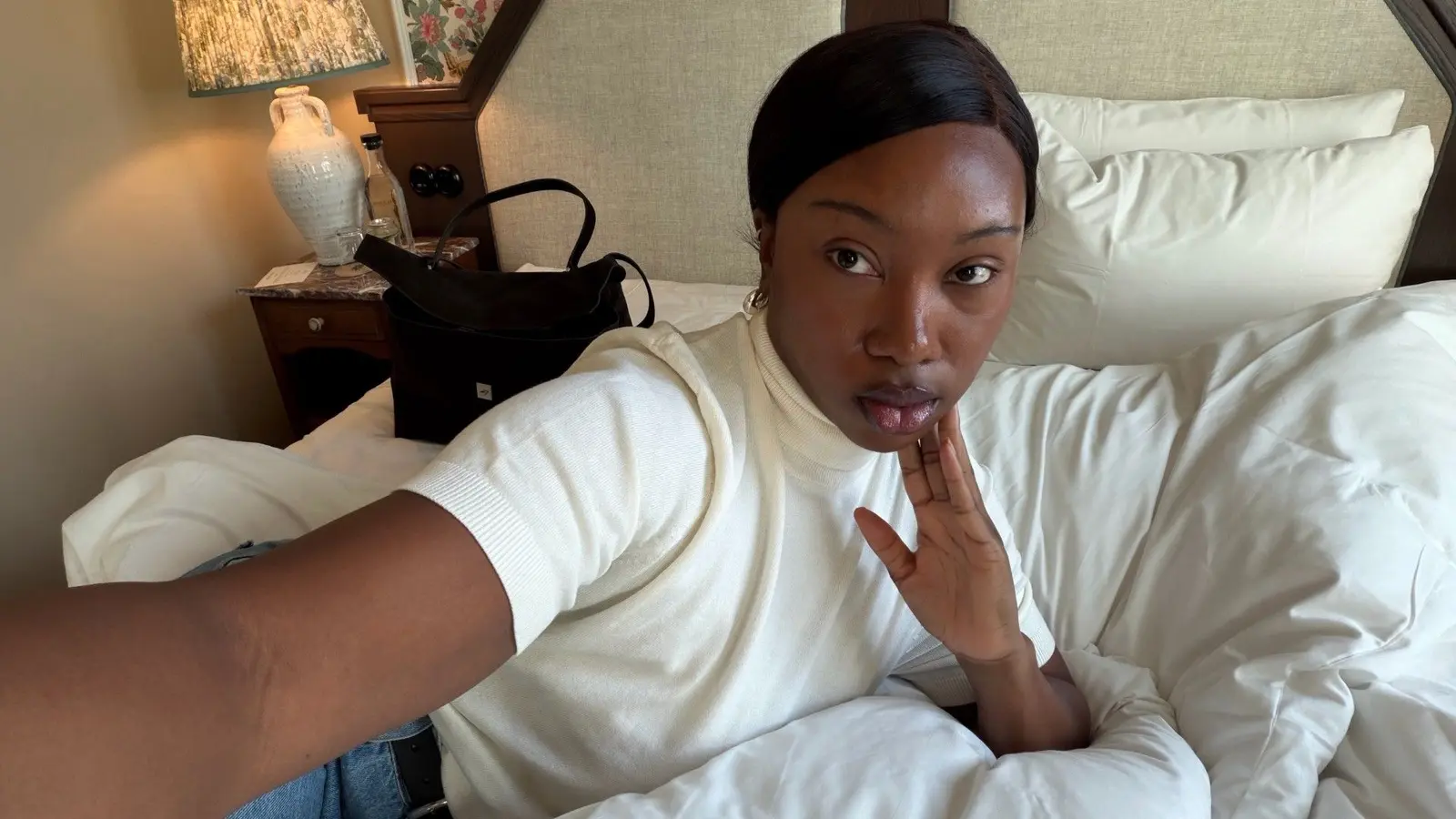 The Secret to a Flawless Autumn Complexion is Sunscreen Layering
The flashback highlights how street fashion mirrored runway shifts a decade ago. In 2016, influencers mixed vintage denim with neon accessories, while today’s outfits lean toward tech‑infused fabrics and sustainable silhouettes. Designers often set the tone, prompting fans to reinterpret key pieces for everyday wear.
In 2016, tulle skirts and frocks like Kravitz’s were paired with chunky sneakers and oversized logos. The era celebrated bold color blocks, 90s grunge, and a DIY ethos. Social media amplified these looks, turning runway side‑views into viral memes.
Fast forward to 2026, and the same street‑style photographers capture outfits built around recycled polyester jackets, modular accessories, and minimalist sneakers. Smart textiles—such as temperature‑regulating coats—appear alongside classic tailoring. The shift reflects growing consumer demand for eco‑friendly materials and functional design.
Will 2026 Street Style Echo 2016’s Nostalgia or Forge New Paths?
Industry insiders note that the pandemic’s aftermath accelerated this change. Brands now prioritize durability over disposable trends, and influencers showcase layered looks that transition from office to evening without a wardrobe swap. The result is a more restrained palette, yet still playful through unexpected details like LED‑embedded shoes.
Many wonder if the resurgence of 2010s nostalgia will reappear on the streets. While retro silhouettes occasionally surface, the prevailing mood favors innovation over pure homage. Designers like Piccioli emphasize reinterpretation, encouraging fans to blend classic silhouettes with modern tech.
The audience’s response suggests a hybrid future. Young shoppers cite both emotional connections to past icons and a desire for forward‑thinking functionality. As couture houses push boundaries, street style acts as a testing ground, translating avant‑garde concepts into accessible daily wear.
Frequently Asked Questions
Overall, the decade’s evolution underscores a broader cultural shift: from conspicuous consumption to conscious creation. The upcoming couture shows will likely reinforce this trajectory, inspiring street wardrobes that balance heritage with sustainability.
What defined street style at the 2016 couture shows? Key elements included tulle dresses, neon accents, oversized blazers, and a mix of vintage denim with contemporary sneakers, reflecting a playful, maximalist aesthetic.
How are sustainability and technology influencing 2026 street fashion? Designers now favor recycled fabrics, modular garments, and smart textiles that adapt to temperature or lighting, aligning style with environmental responsibility.
Will the 2026 couture season set new street‑style trends? Yes. Early runway reports suggest that the season’s emphasis on minimalist tailoring and tech‑enhanced accessories will quickly filter into everyday outfits, shaping the next wave of street fashion.