A New Kind of Scent: Memories Captured in Perfume
How the Machine Decodes Emotion into Aroma
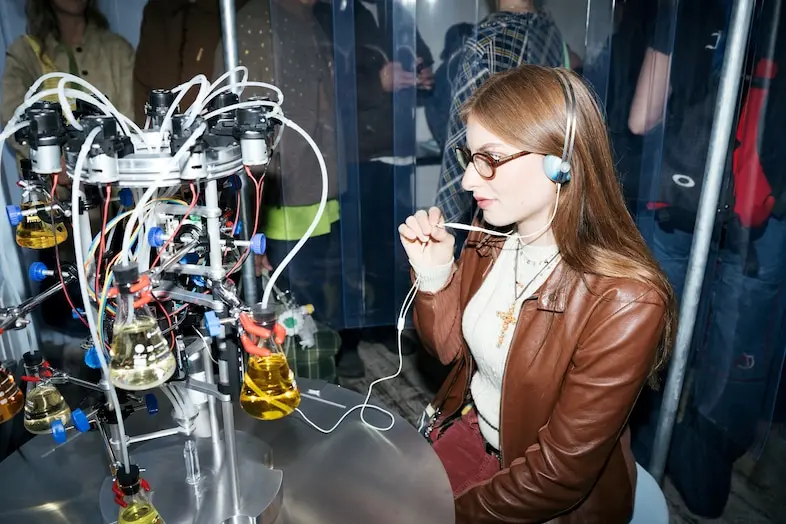
In a quiet laboratory in Berlin, a team of chemists and AI specialists has created a device that turns personal memories into fragrances. The machine, unveiled last week, can produce a vial of perfume that reflects the scent of a cherished moment—whether it’s a childhood summer or a first kiss. The company behind the innovation, a boutique fragrance tech startup, claims the technology can be customized for any user, using data gathered from photos, voice recordings, and even heart rate monitors.
Breaking News
 Hollywood Elite Honor Carpenter, Theron, and Domingo at Academy Museum Gala
 The Next Generation of Collagen: Small Peptides, Big Claims
 The Impending Rise of Cobalt Blue in 2027 Fashion
 The Secret to a Flawless Autumn Complexion is Sunscreen Layering
The process begins with the user uploading a collection of images and audio clips that represent the memory they wish to immortalize. An artificial‑intelligence model analyzes the visual and auditory cues to identify key emotional triggers. The algorithm then translates these triggers into a blend of volatile organic compounds, which are synthesized in a small, portable lab. The final scent is distilled into a 5‑milliliter vial, ready for personal use or gifting.
The core of the technology lies in a neural network trained on thousands of scent‑emotion pairings. By feeding the system with labeled data—such as „summer beach” or „first love”—the AI learns to associate specific olfactory notes with emotional states. When a user uploads a photo of a grandmother’s kitchen, the system detects the warm, buttery undertones of baking and the subtle spice of cinnamon, then composes a fragrance that evokes that exact feeling. The chemists fine‑tune the mixture using a modular scent library, ensuring the final product is safe for skin contact and stable over time.
Can Personalized Perfume Become a Mainstream Luxury?
„We’re essentially translating memory into chemistry,” explains Dr. Lena Müller, lead scientist on the project. „The AI doesn’t just pick random scents; it interprets the emotional signature of the memory and recreates it with precise aromatic compounds.” The company emphasizes that the technology is fully reversible: users can adjust the intensity of each note, allowing them to tweak the perfume to their personal preference.
The idea of a scent that captures a personal moment has long fascinated marketers, but this is the first time it has been made commercially viable. Early adopters have reported a strong emotional response, noting that wearing the perfume feels like carrying a piece of their past. The startup plans to launch a subscription service, offering quarterly vials that correspond to new memories users wish to preserve.
However, the market faces several hurdles. Production costs are high, as each vial requires bespoke synthesis and quality control. Moreover, the legal landscape for custom fragrances is still developing; regulations around ingredient disclosure and allergen labeling could complicate distribution. Despite these challenges, the company sees potential beyond personal use, including therapeutic applications for memory recall in dementia care and commemorative scents for events.
What Does This Mean for the Future of Scent and Memory?
If the technology scales, it could redefine how we experience and preserve memories. Instead of relying on photographs or stories, people might carry a tangible reminder of a loved one’s scent or a favorite holiday. The emotional connection could deepen brand loyalty for luxury perfume houses, who might partner with AI firms to offer bespoke collections. At the same time, concerns about privacy and data security will need to be addressed, as the system relies on intimate personal information to generate the scent.
In the coming months, the startup will conduct a pilot program with 200 participants, collecting feedback on scent longevity and emotional impact. If successful, the company aims to roll out a consumer‑grade device that could fit in a purse or pocket, democratizing the experience of personalized perfume.
Frequently Asked Questions
How does the AI determine which scents to use? The AI analyzes visual and auditory cues from uploaded media, correlating them with emotional markers learned from a large dataset of scent‑emotion pairs. It then selects aromatic compounds that match those markers.
Is the perfume safe for everyday use? Yes. All ingredients are vetted for skin safety, and the final product undergoes stability testing to ensure it remains safe and effective for at least 12 months.
Can the scent be shared or sold to others? The company plans to offer a subscription model where users can receive new vials monthly, but the scent is personalized to the original memory and is not intended for mass resale.