BEMT Sunscreens Have Officially Arrived in the U.S
How Bemotrizinol Improves Daily Sun Defense
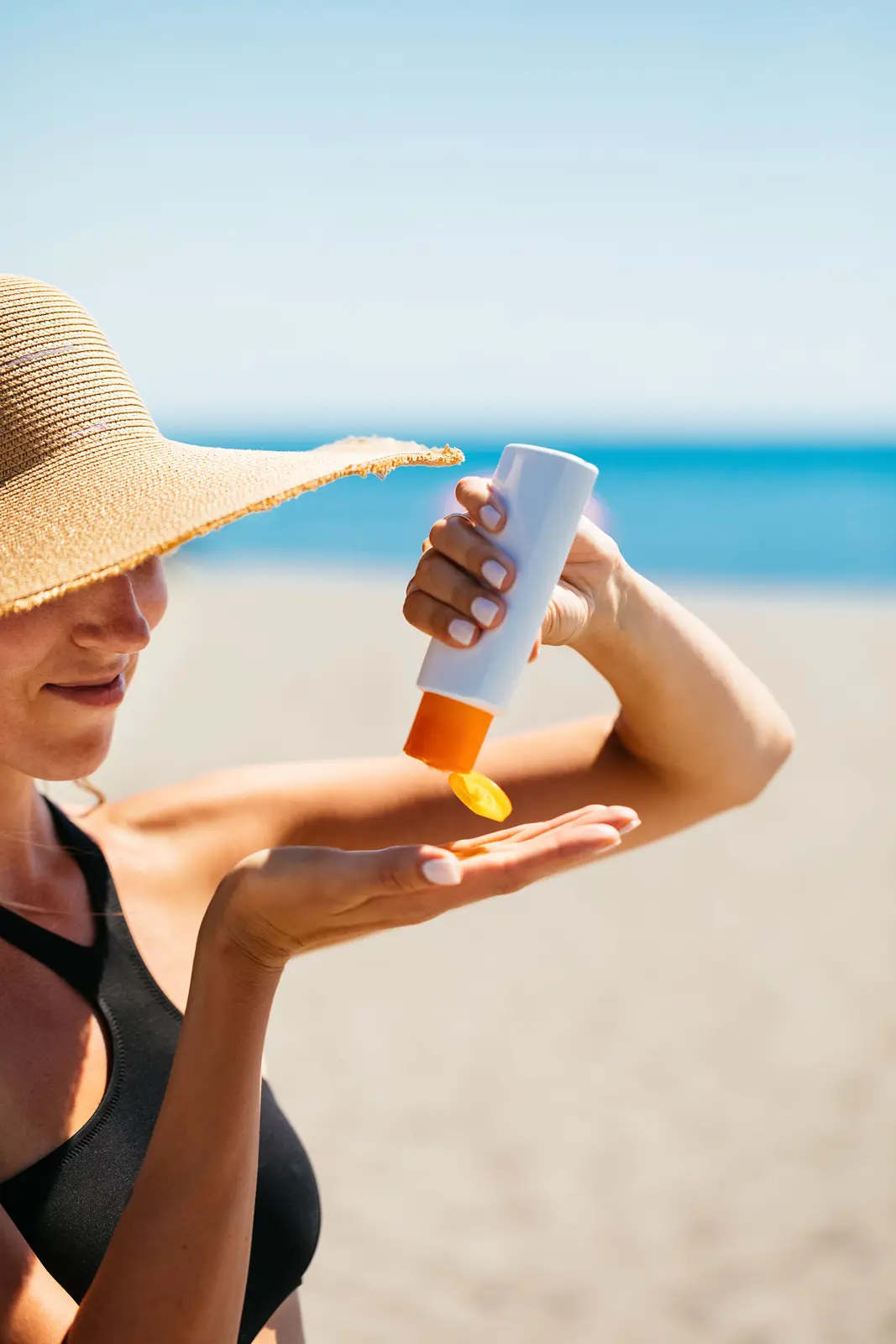
In June, the U. S. Food and Drug Administration approved bemotrizinol, marking the first new sunscreen filter allowed in the country since 1999. Products containing this ingredient are now appearing on store shelves nationwide. The approval ends a 25-year gap in sunscreen innovation within the American market.
Breaking News
 Hollywood Elite Honor Carpenter, Theron, and Domingo at Academy Museum Gala
 The Next Generation of Collagen: Small Peptides, Big Claims
 The Impending Rise of Cobalt Blue in 2027 Fashion
 The Secret to a Flawless Autumn Complexion is Sunscreen Layering
Bemotrizinol, also known as BEMT, offers broad-spectrum protection against both UVA and UVB rays. It is photostable, meaning it does not break down easily in sunlight, and is considered suitable for sensitive skin. The FDA’s decision follows years of advocacy by dermatologists and public health experts who argued that U. S. sunscreen options lagged behind those available in Europe and Asia. Manufacturers have begun formulating new lotions, sprays, and sticks with BEMT to meet growing consumer demand for safer, longer-lasting sun protection.
Why Did It Take So Long for New Sunscreen Filters?
Unlike older filters that may degrade or irritate skin, bemotrizinol maintains its effectiveness throughout sun exposure. Clinical data submitted to the FDA showed minimal absorption into the bloodstream, addressing safety concerns that have stalled other ingredients. Dermatologists note that its lightweight texture allows for comfortable wear under makeup or during outdoor activities. Early adopters report fewer instances of stinging or greasiness compared to traditional zinc oxide or avobenzone-based products. The ingredient is now being used in both mineral and hybrid sunscreen formulations, expanding options for consumers seeking non-greasy, high-performance protection.
The delay stemmed from the FDA’s stringent approval process for over-the-counter drugs, which classifies sunscreen filters as active pharmaceutical ingredients. Before 2023, no new filter had completed the required safety and efficacy testing since the 1990s. International manufacturers often avoided the U. S. market due to costly and lengthy regulatory hurdles. Recent legislative changes, including the Sunscreen Innovation Act, helped streamline reviews for promising compounds like bemotrizinol. Public pressure also played a role, as rising skin cancer rates highlighted the need for better preventive tools. The approval signals a shift toward modernizing U. S. sun safety standards.
Is bemotrizinol safe for children and pregnant women? Current studies indicate low systemic absorption and no known hormone disruption, making it a favorable option for vulnerable groups. However, as with any new product, patch testing is recommended before widespread use.
Frequently Asked Questions
Can bemotrizinol be used in reef-safe sunscreens? Yes, bemotrizinol is not linked to coral bleaching and is considered environmentally compatible. Many brands are now labeling BEMT-containing products as reef-safe to meet eco-conscious consumer standards.
Will bemotrizinol replace existing sunscreen ingredients like zinc oxide? It is unlikely to replace mineral filters entirely but will complement them in hybrid formulas. Manufacturers are combining BEMT with zinc or titanium dioxide to enhance UVA protection while maintaining a lightweight feel.