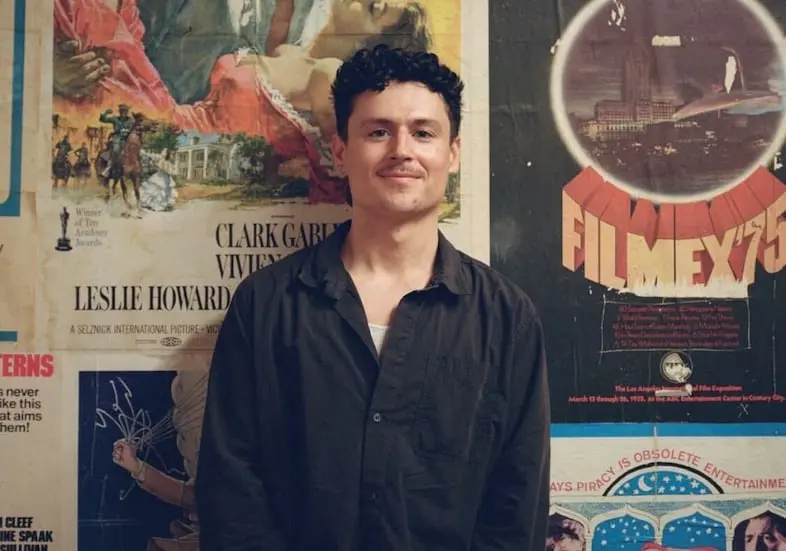
Ben Mora wants to see your bedroom
He noticed a gap in media representation: while fashion and food are frequently
Ben Mora, host of the viral YouTube game show Interior Motives, invites viewers into personal spaces to explore how bedroom design reflects identity. The show, which launched in early 2026, quickly gained traction for its blend of humor, psychology, and interior design critique. Filmed across urban apartments in London and Manchester, each episode features guests revealing their private rooms while Mora analyzes decor choices through a cultural lens. The format combines lighthearted interrogation with thoughtful observation, turning domestic aesthetics into a conversation about self-expression. Mora emphasizes that the goal is not judgment but curiosity about how people construct their personal worlds. The concept emerged from Mora’s background in spatial theory and his fascination with Gaston Bachelard’s The Poetics of Space, which argues that intimate spaces hold emotional and psychological significance.
Breaking News
 Hollywood Elite Honor Carpenter, Theron, and Domingo at Academy Museum Gala
 The Next Generation of Collagen: Small Peptides, Big Claims
 The Impending Rise of Cobalt Blue in 2027 Fashion
 The Secret to a Flawless Autumn Complexion is Sunscreen Layering
He noticed a gap in media representation: while fashion and food are frequently scrutinized as identity markers, bedrooms remain underexplored despite their deep personal resonance. Interior Motives challenges the assumption that taste is purely superficial, suggesting instead that clutter, color schemes, and object placement reveal subconscious values. Guests often express surprise at how their choices are interpreted, leading to candid discussions about nostalgia, anxiety, and aspiration. Mora avoids prescribing ideals, instead highlighting the diversity of what makes a space feel authentic. How do bedrooms reveal hidden parts of ourselves? Mora argues that bedrooms function as unedited archives of personal history, unlike curated living rooms or kitchens meant for guests. A pile of unread books might signal intellectual aspiration, while mismatched bedding could reflect practicality over aesthetics. He notes that lighting choices often correlate with emotional states—warm, dim lights linked to introspection, bright whites to productivity-driven mindsets.
One guest’s collection of vintage postcards sparked a conversation about
One guest’s collection of vintage postcards sparked a conversation about longing for connection, another’s minimalist setup revealed a desire for mental clarity after burnout. These observations aren’t diagnostic but invitations to reflect. Mora stresses that interpretations are collaborative, not authoritative, leaving room for guests to agree or disagree with his readings. What happens when private spaces go public? Sharing bedrooms on camera introduces vulnerability, yet many participants report feeling liberated by the experience. Mora describes initial hesitation turning into openness as guests realize the show mocks neither their taste nor their tidiness. The viral success—episodes averaging 800,000 views within days—has sparked similar formats internationally, though Mora credits the show’s tone for its authenticity. Critics have questioned whether such exposure risks reinforcing superficial judgments, but he counters that the process encourages self-awareness rather than conformity.
Looking ahead, Mora plans a live tour where audiences submit anonymous room photos for real-time analysis, aiming to deepen public dialogue about domestic life. He believes the bedroom, as the most intimate room, remains a fertile ground for understanding how we see ourselves and wish to be seen. Frequently Asked Questions How are guests selected for Interior Motives? Guests are chosen through a mix of public applications and outreach to ensure diverse backgrounds, ages, and living situations. The team prioritizes willingness to engage in reflective conversation over design expertise or social media following. Does the show offer design advice or critique? No, Interior Motives avoids prescribing style rules or labeling spaces as „good” or „bad.” Instead, it explores how personal objects and arrangements connect to emotions, memories, and identity. Will there be a second season or spin-off?
Mora confirms a second season is in production, focusing on shared bedrooms and how cohabitation influences spatial compromise. A podcast companion series discussing listener-submitted room stories is also planned for early 2027.