
Brocade and Jacquard Make a Stylish Comeback This Season
Why Luxury Weaves Are Dominating Street Style
Fashion enthusiasts worldwide are embracing the opulent textures of brocade and jacquard, turning these historic fabrics into the season’s must‑have materials. Designers, retailers, and influencers alike showcase the shimmering weaves on runways and social feeds, confirming that the vintage revival is more than a fleeting moment.
Breaking News
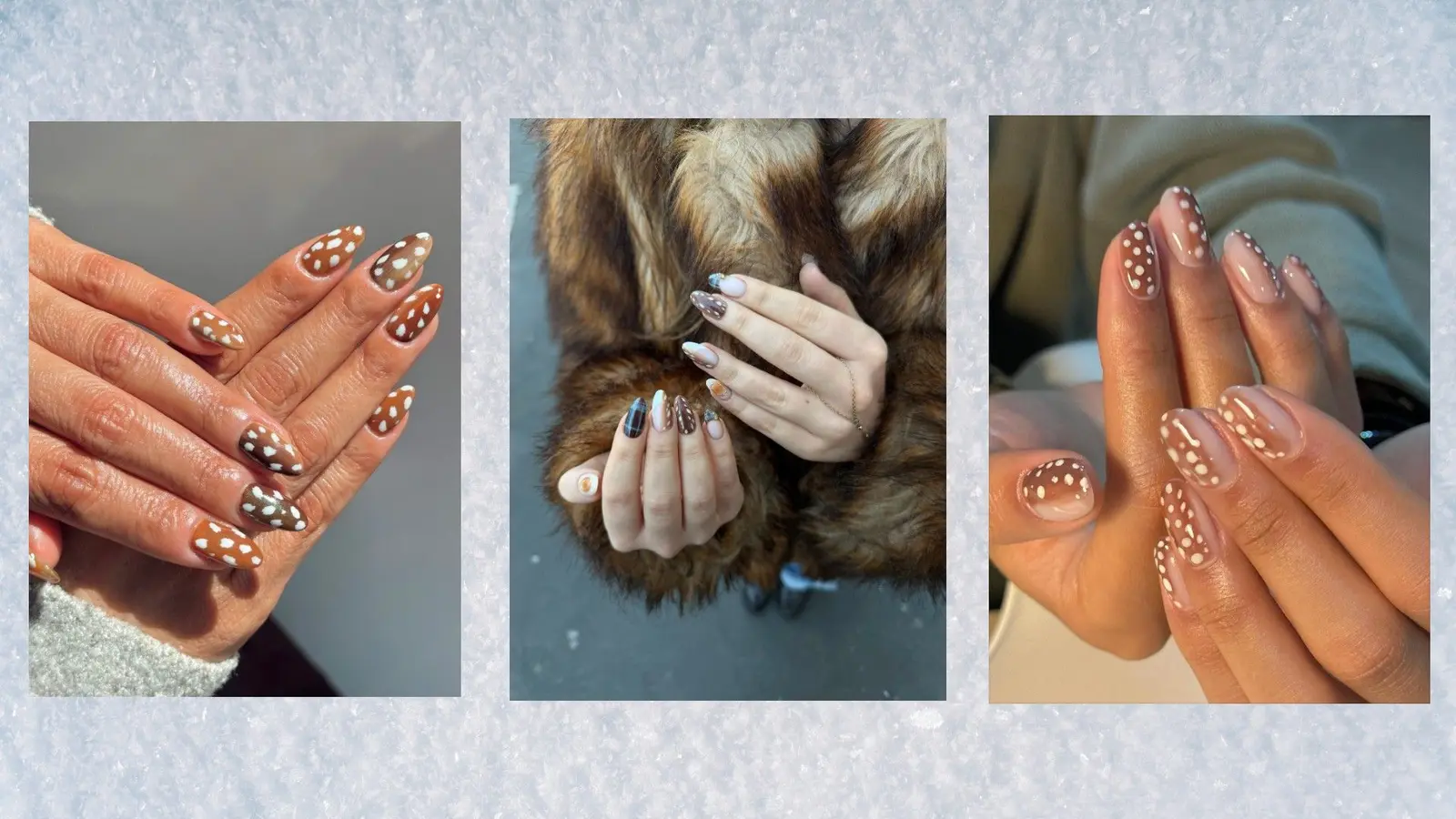 Animal Prints Make a Stylish Comeback on Winter Nails
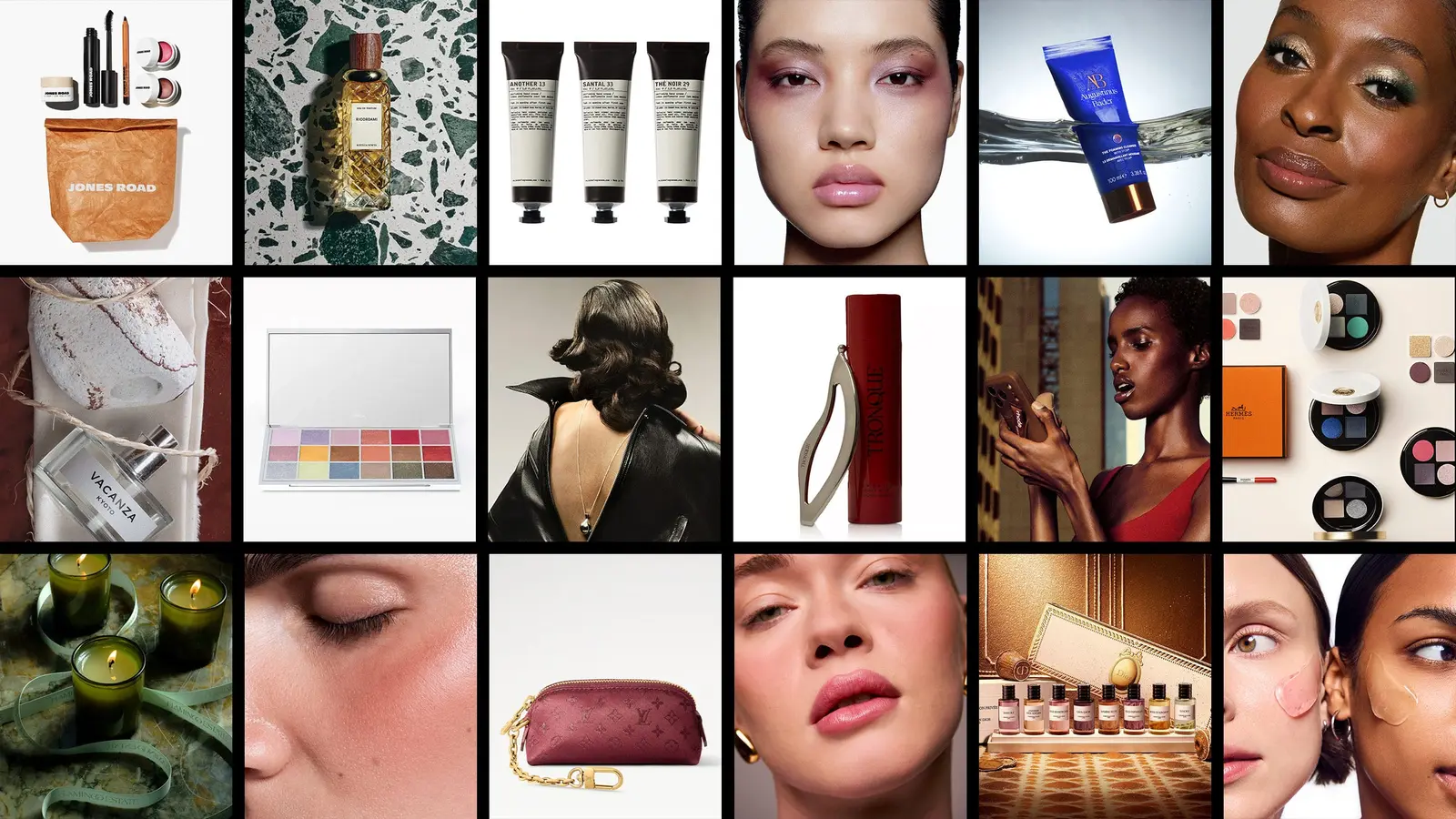 Best Beauty Gifts That Will Actually Get Used
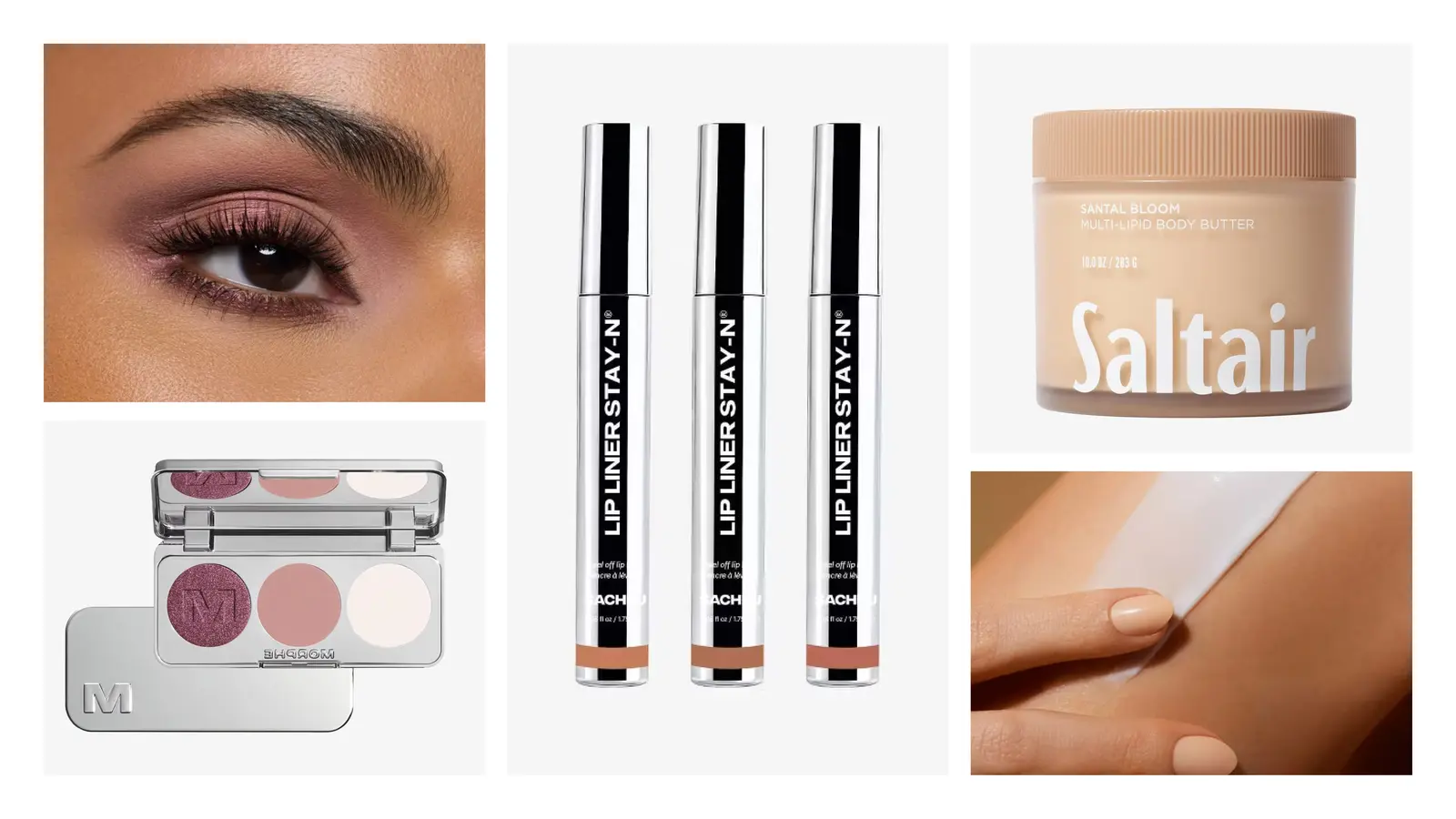 Target Beauty Gifts: Top Picks for the Season
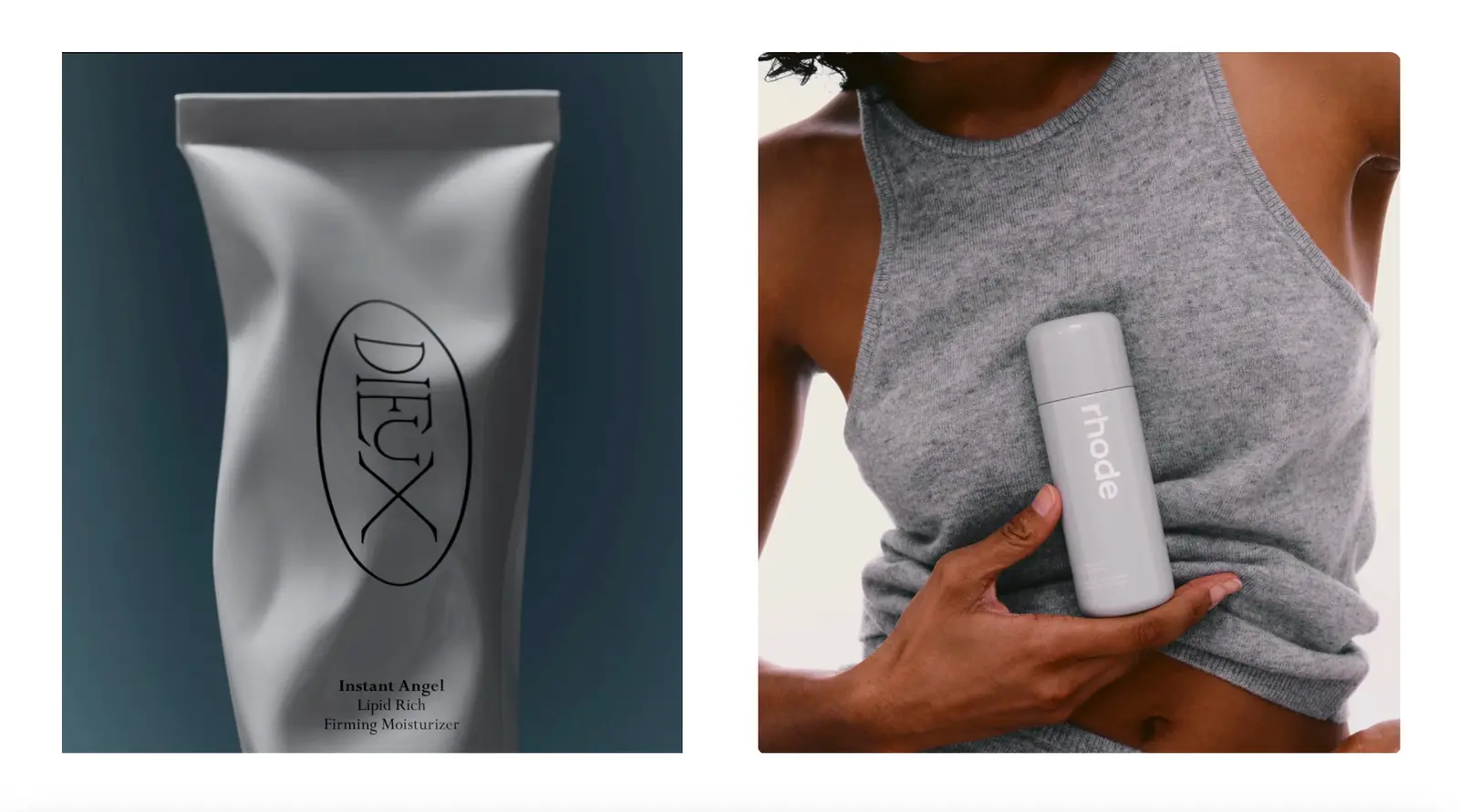 Ceramide-based moisturizers are gaining serious traction among dermatologists and beauty editors
The resurgence stems from a growing fascination with nostalgia and a desire for tactile richness in clothing and home décor. As the vintage market expands, consumers are reaching back to centuries‑old weaving techniques, seeking pieces that feel both timeless and luxurious. The tactile appeal of brocade’s raised patterns and jacquard’s intricate designs offers a tactile contrast to the minimalist aesthetics that dominated the early 2020s, making them perfect for statement garments and decorative accents alike.
From high‑end runway shows in Milan to everyday streetwear in Tokyo, designers are integrating brocade and jacquard into jackets, dresses, and accessories. The fabrics’ natural sheen catches light, creating dynamic visual effects that photograph well on digital platforms, fueling their popularity among influencers. Retail data shows a noticeable uptick in sales of garments featuring these weaves, with several boutique brands reporting a 30 % increase in orders compared to the previous year.
Are These Fabrics Set to Remain Popular Beyond the Season?
Industry insiders attribute the trend to a collective yearning for depth and craftsmanship. „People are tired of flat, fast‑fashion pieces,” says a senior buyer at a leading department store. „Brocade and jacquard bring a sense of heritage and quality that resonates with shoppers looking for longevity in their wardrobes.”
While trends can be fleeting, the structural qualities of brocade and jacquard suggest a longer lifespan. Their durability and ability to be woven into both formal and casual silhouettes give designers flexibility to reinterpret them season after season. Moreover, sustainability concerns are prompting manufacturers to explore eco‑friendly production methods for these traditionally labor‑intensive fabrics, potentially securing their place in future collections.
If the current momentum continues, we can expect these textiles to infiltrate more than just apparel. Interior designers are already incorporating jacquard‑patterned upholstery and brocade‑trimmed curtains into modern homes, blurring the line between fashion and décor. This cross‑industry adoption could cement the fabrics as staples in both personal style and living spaces.
What distinguishes brocade from jacquard? Brocade features raised, often metallic patterns woven into a base fabric, giving it a three‑dimensional texture. Jacquard, meanwhile, uses a specialized loom to create intricate, flat designs directly in the weave, allowing for detailed motifs without added surface embellishment.
Frequently Asked Questions
How can I care for garments made of these fabrics? Both fabrics benefit from gentle hand washing or a delicate cycle with cold water, followed by air drying. Avoid harsh detergents and excessive heat, which can damage the delicate threads and diminish shine.
Are there sustainable options for brocade and jacquard? Yes. Some manufacturers are experimenting with recycled fibers and low‑impact dyes, aiming to reduce the environmental footprint while preserving the fabrics’ luxurious qualities.
The revival of brocade and jacquard reflects a broader cultural shift toward depth, heritage, and quality. As designers continue to innovate with these classic weaves, they are likely to remain influential fixtures in fashion and interior design for years to come.