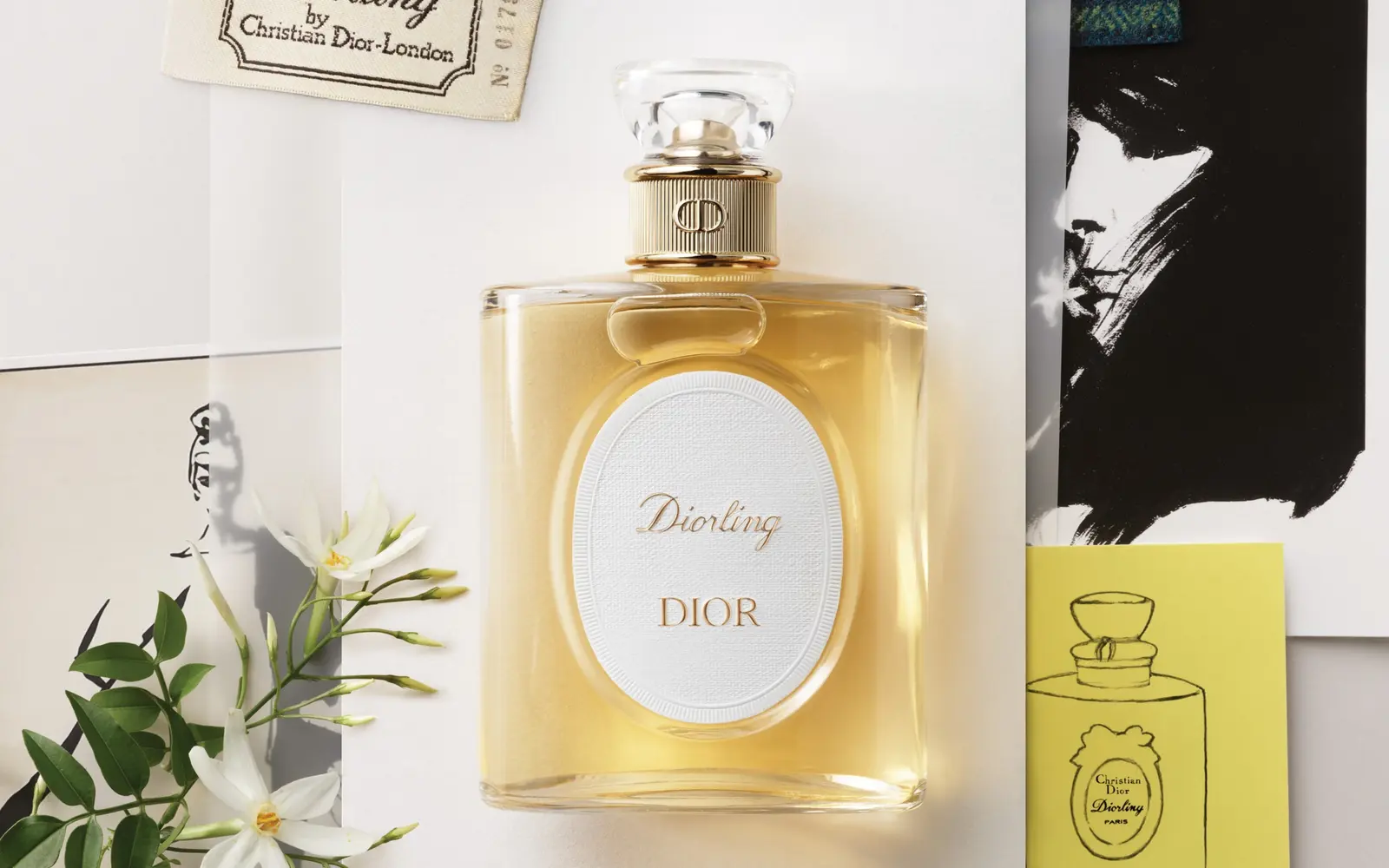
Dior is bringing back to market its most-sold fragrances in brand history
Restoration is not simply 'cleaning up dust'
Dior rediscovers the smells that defined the brand's history.
Breaking News
 NYC Jewelry Week Honors High School Talent With New Award
 Nike Gyakusou Running Line Returns After Five-Year Hiatus
 The Best Long-Lasting Perfumes You Can Bank On
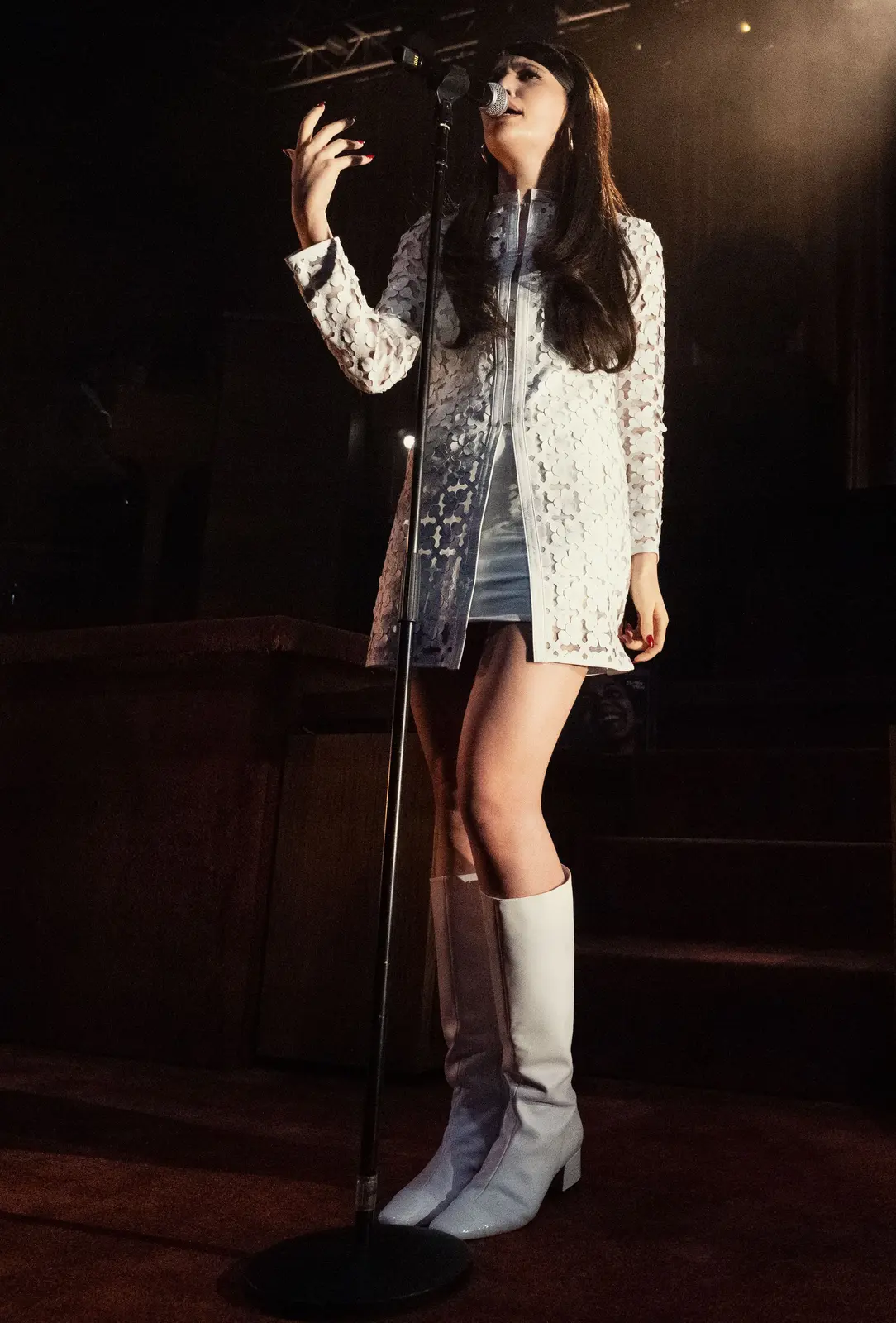 Swinging Sixties fashion trends are making a strong return to runways and retail floors
The ' Dioriginals' project took four years of intense work to bring 13 historic home fragrances back to market. Francis Kurkdjian, the creative director of perfumes at Dior, discovered that the iconic scents gradually changed, losing their original identity. What caused this drift? Several original ingredients have disappeared from the market, other components have been banned due to new safety and allergen regulations and suppliers have died. The ethical and environmental requirements have also changed the nature of certain raw materials. As natural components vary from harvest to harvest, Kurkdjian emphasizes that, even without human intervention, perfumes change slightly over time. This finding was the catalyst that led to the launch of the restoration initiative.
Restoration is not simply 'cleaning up dust' from an old formula. The team led by Kurkdjian dug through decades of archives, analyzed recipes, and worked with suppliers to reconstruct the scents with materials available today. Kurkdjian compares the process to restoring a work of art: it is necessary to know who created the work, when it was made, what ingredients it contained, and how they were assembled. The first three fragrances restored - Eau Fraîche, Diorissimo and Diorella - have special significance as they were composed by Edmond Roudnitska, the famous perfumer and longtime collaborator of Christian Dior. Roudnitska worked with the house for nearly three decades, launching Eau Fraîche in 1955, Diorissimo in 1956 and Diorella in 1972.
In Eau Fraîche's view, restoration involved decline
In the case of Diorissimo, the first fragrance to capture the ephemeral scent of lily in the Valley of Silence, the commercial version had developed a note of baked pepper, absent from the original. Kurkdjian describes a quality too sweet and wet. He and his team were able to restore the quality of the yasom (top note) sought, using an ancient method of treating yasom . The result smells like '50s jazz, but executed in a contemporary way. For Diorella, the challenge was to recover the original peach-abricot fruit quality that was missing from the market version. A change in the production of yasom in the late 1980s removed that note, so Kurkdjian worked with a supplier to adjust the distillation and restore that quality, complying with current regulations. He claims they've brought back that pleasant taste.
In Eau Fraîche's view, restoration involved decline rather than replacement. A clean soap note had been added to the commercial version over time, although it was not part of the original composition. Its elimination brought the perfume closer to the chypre variant that Christian Dior himself wore. The causes behind these transformations are as complex as the perfumes themselves. Kurkdjian describes an olfactory domino effect: an ingredient narrows, a supplier finds a replacement, someone who understands the formula leaves the company, and the reasoning behind an election is lost. The restoration team's role was to use the original formulas as a benchmark and find contemporary ways to recreate them.
For Kurkdjian, the project aims to preserve Dior's creative base for the future to come. This aspect becomes tangible through his family connection to the house: his aunt worked as a tailor at Dior in the 1950s. When Diorissimo felt restored, he immediately recognized the smell he remembered. However, Dioriginals is not an attempt to recreate the past out of nostalgia, nor does it freeze these perfumes over time. It's about preserving their original character within the realities of modern perfumery - a process that may require new materials, new techniques, and an almost forensic understanding of what made the original work. The goal was not to modernize these perfumes, Kurkdjian points out, but to restore them to their original selves. „It's like a facelift”, he says. This article originally appeared in the winter 2027 issue of FASHION.