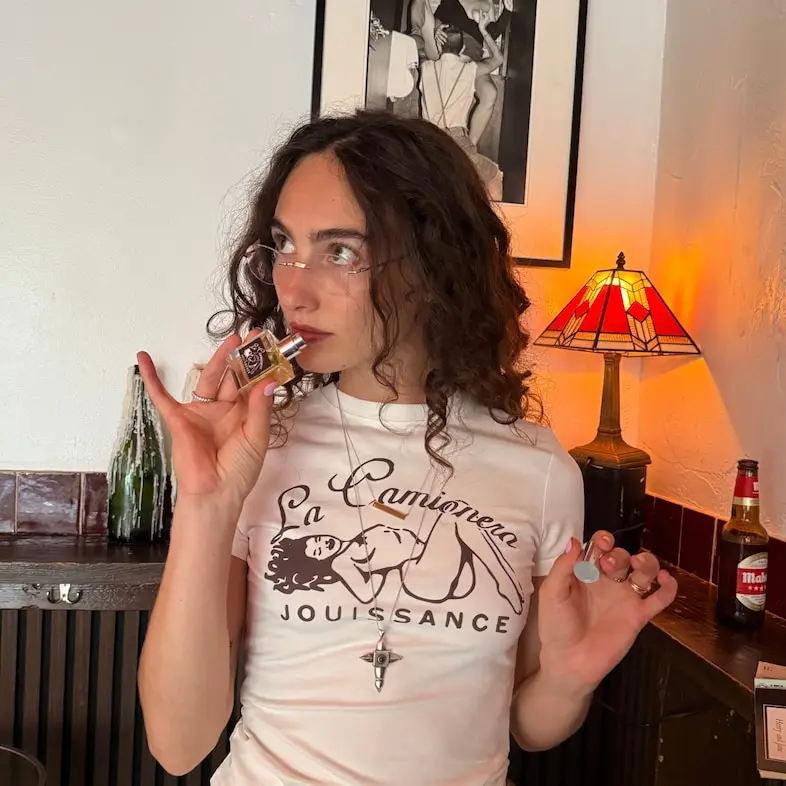
Do You Smell Like a Bi Millennial? The Rise of Gay Perfume in Queer Culture
How Scent Became a Queer Language
In October 2026, social media buzzed with the question „Do you smell like a bi millennial?” as queer communities embraced scent as a form of identity expression. A surge in queer-marketed perfumes has turned fragrance into a visible signifier of sexuality, particularly among younger LGBTQ+ audiences. This trend reflects a broader cultural shift where personal aroma is being used to signal belonging and authenticity.
Breaking News
 Hollywood Elite Honor Carpenter, Theron, and Domingo at Academy Museum Gala
 The Next Generation of Collagen: Small Peptides, Big Claims
 The Impending Rise of Cobalt Blue in 2027 Fashion
 The Secret to a Flawless Autumn Complexion is Sunscreen Layering
The phenomenon, dubbed scent-based gay anthropology, has grown rapidly on platforms like TikTok and Instagram, where users share fragrance routines and scent memories tied to coming out or queer experiences. Independent perfumers and major beauty brands alike have responded by launching scents marketed specifically to gay, bisexual, and non-binary consumers. These fragrances often feature notes like vetiver, amber, and skin musk—described by creators as evoking intimacy, warmth, and queer nostalgia.
Perfume has long played a subtle role in LGBTQ+ subcultures, from the leather bars of the 1970s to the club scenes of the 1990s. Today, that history is being reinterpreted through niche fragrance lines that tell stories of visibility and resistance. One perfumer noted, „We’re not just selling smell—we’re bottling moments of courage.” Sales data from queer-focused beauty retailers show a 40% increase in demand for identity-driven scents since 2024, with many customers citing emotional connection over traditional luxury appeal.
Can a Fragrance Really Define Your Identity?
While some critics argue that linking scent to sexuality risks stereotyping, many users say the right fragrance helps them feel seen. A non-binary college student in Berlin shared, „Wearing my ‘bi millennial’ scent feels like whispering my truth to the world.” Experts suggest this trend reflects a deeper desire for sensory affirmation in a world where queer identity is often policed or erased. As more brands enter the space, the conversation continues about authenticity, inclusion, and who gets to define what queer smells like. Frequently Asked Questions What makes a perfume „queer-marketed”? Queer-marketed perfumes are often created by or in collaboration with LGBTQ+ individuals, featuring scents and narratives tied to queer experiences, history, or community values rather than targeting a broad heterosexual audience.
Why are younger queer generations drawn to identity-based fragrances? Many millennial and Gen Z LGBTQ+ individuals use scent as a personal, intimate way to express identity—especially in environments where outward signs of queerness might feel unsafe or inappropriate.
Are major beauty brands involved in this trend? Yes, several mainstream beauty houses have launched queer-inclusive fragrance lines or partnered with LGBTQ+ artists, though independent perfumers remain central to the movement’s grassroots authenticity.