
Dove turns its 69-year-old Original Beauty Bar into a limited-edition fragrance
Turning a 69-Year-Old Bar Into a Luxury Scent
Unilever-owned Dove has released a limited-edition fine fragrance that captures the scent of its long-standing Original Beauty Bar. The launch moves a decades-old cleansing product from bathroom shelves into the world of luxury perfumery. This move signals a bold shift in how heritage brands can extend iconic products into new categories.
Breaking News
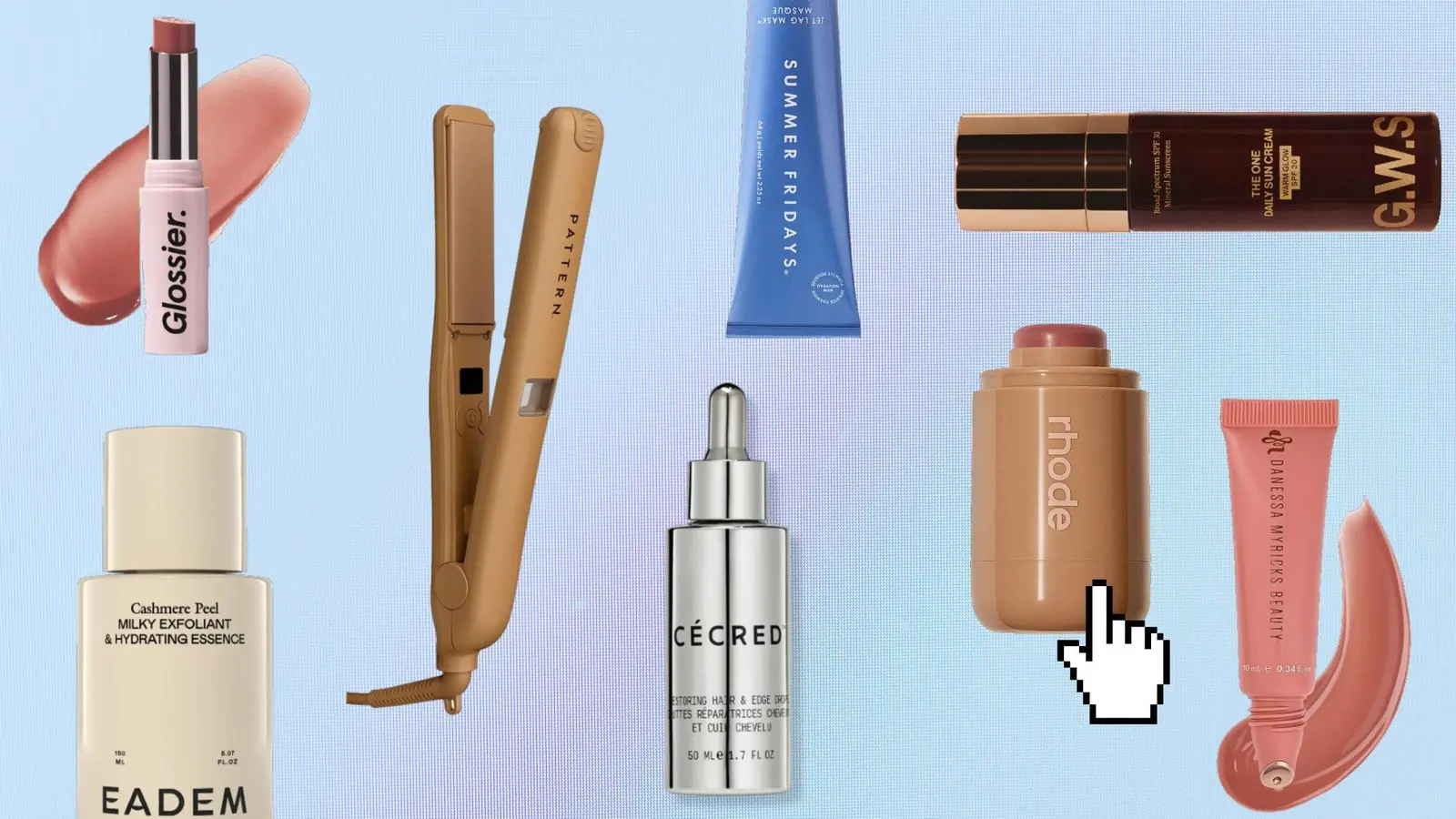 Google's 2026 Holiday 100: The Viral Beauty Products Everyone Is Searching For
 Winter 2027 pedicure trends favor bold, warm tones over neutral shades
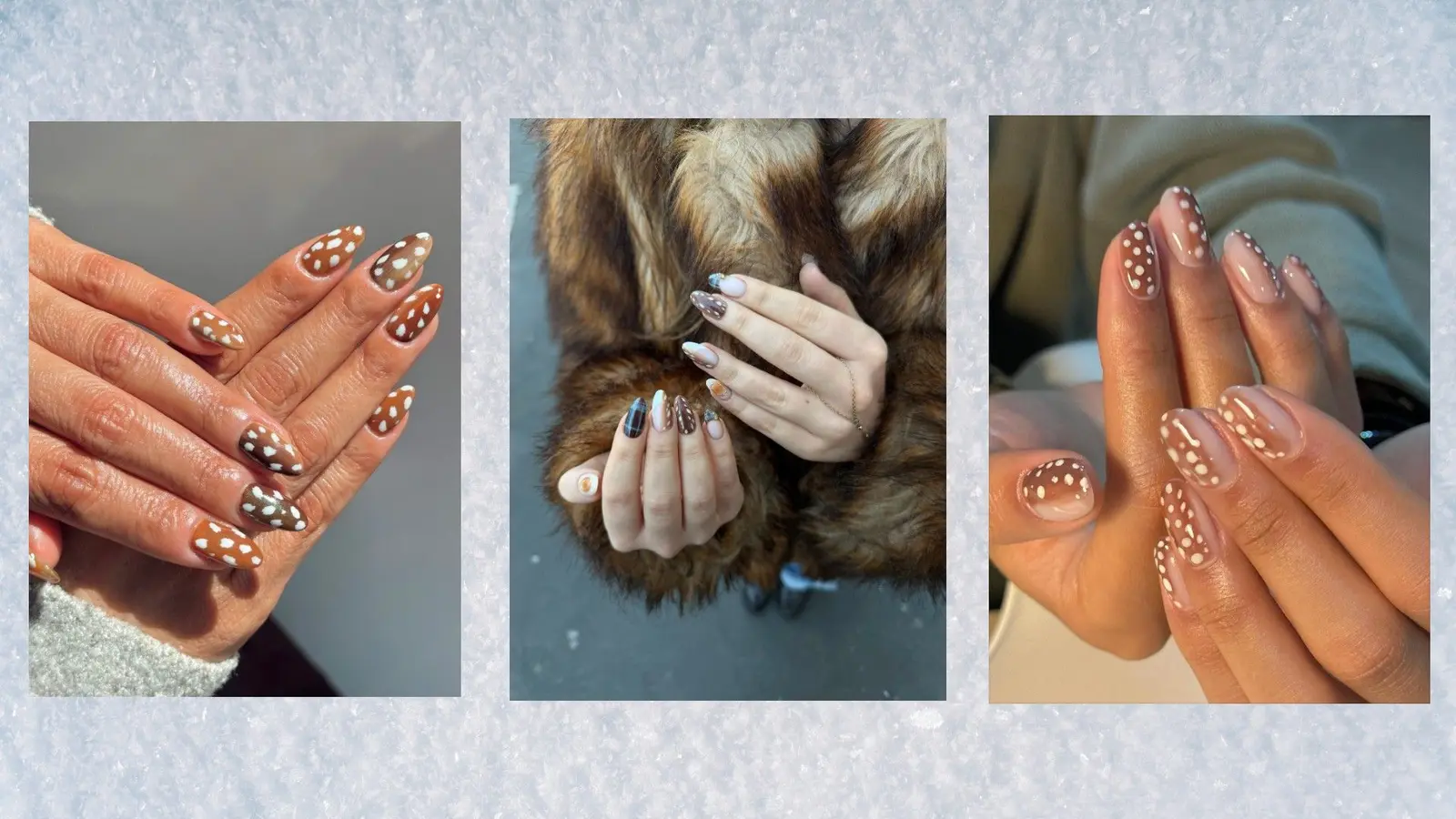 Animal Prints Make a Stylish Comeback on Winter Nails
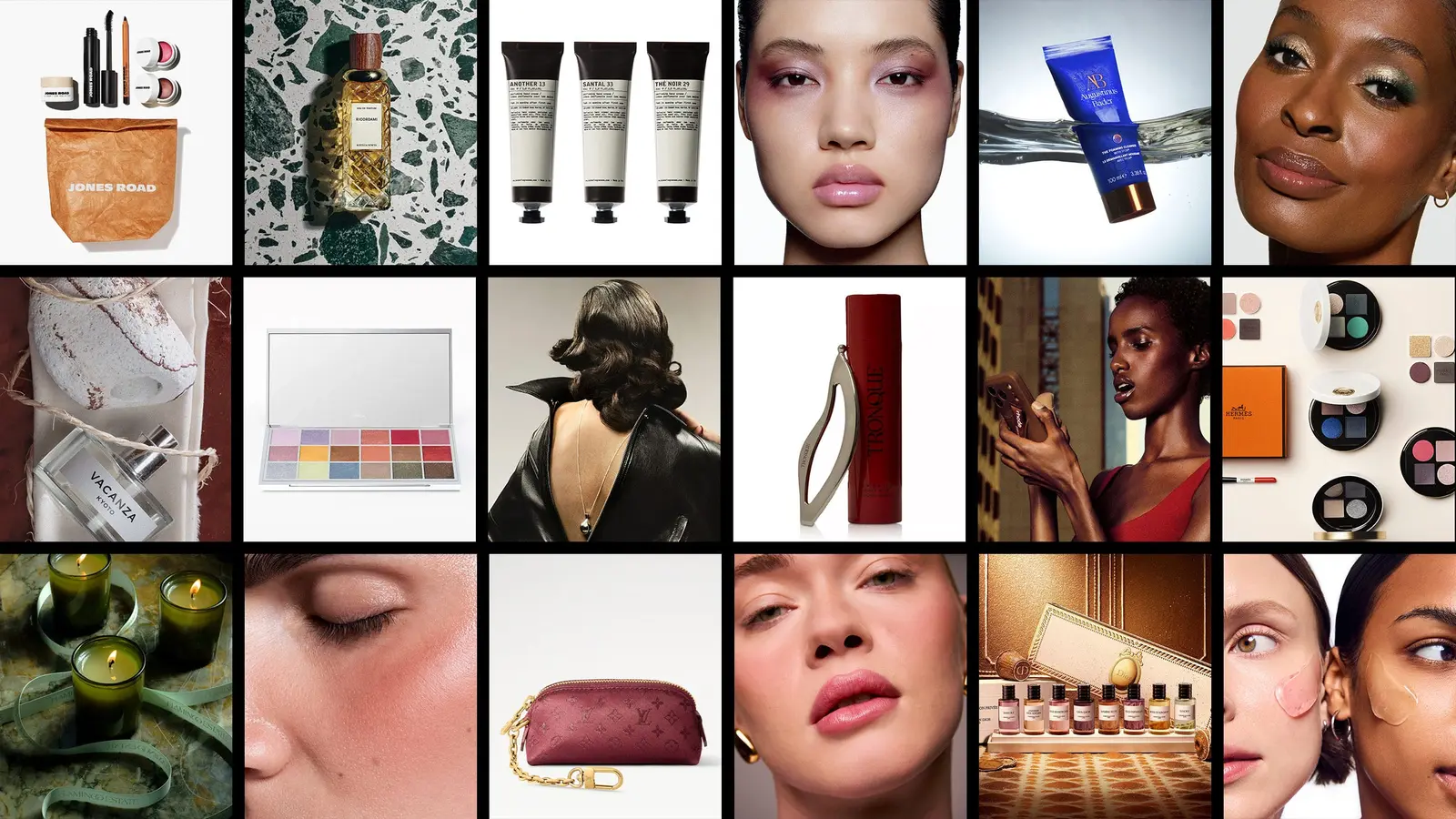 Best Beauty Gifts That Will Actually Get Used
The fragrance is not a new scent created from scratch. It is a direct translation of the bar's original fragrance profile. Dove took the exact olfactory signature of the Original Beauty Bar and bottled it as a fine fragrance. This approach leverages deep consumer familiarity with the product's smell.
What This Teaches Beauty Brands About Nostalgia Marketing
The strategy works because the Original Beauty Bar has been a household staple for nearly seven decades. Consumers already associate its scent with cleanliness, comfort, and routine. By releasing it as a fine fragrance, Dove invites people to experience that familiar smell in a more deliberate, luxurious context. The limited-edition format creates scarcity and urgency, encouraging early adoption.
The move shows that heritage products can be repositioned without changing their core identity. Brands with long-standing icons can extract value from existing consumer memories. Instead of launching entirely new products, they can repackage familiar experiences in premium formats. This reduces risk and builds on established trust.
Is the Dove Original Fragrance a completely new scent? No. It directly replicates the fragrance profile of the Original Beauty Bar, which has been sold for 69 years.
Frequently Asked Questions
Why did Dove choose a limited-edition release? Limited editions create scarcity and drive urgency. They also allow the brand to test market response without committing to a permanent line expansion.
What does this strategy mean for other beauty brands? It demonstrates that nostalgia and heritage can be monetized through premium repositioning. Brands with iconic products can extend them into luxury categories without losing their original identity.