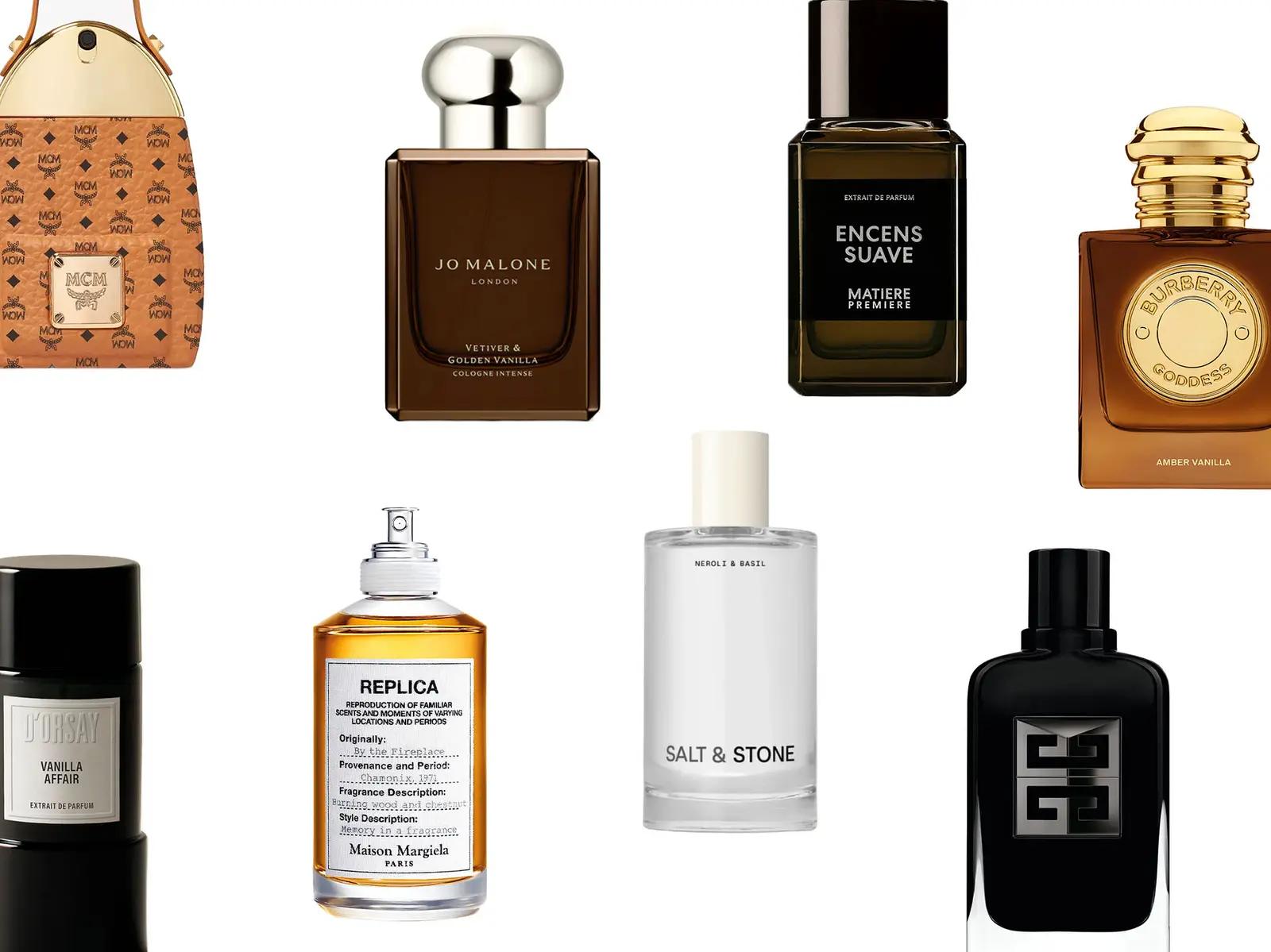
Fragrance-Coordinating Could Be The Thing Your Date Night Is Missing
Perfume specialists recommend testing combinations on skin beforehand
Couples are increasingly matching their scents as part of date night preparation, aiming to create a unified sensory experience that goes beyond clothing choices. This practice involves selecting complementary fragrances that enhance each other when worn together, turning a simple outing into a more intentional and cohesive moment. Experts suggest that scent coordination can deepen connection and leave a lasting impression, much like coordinating outfits avoids visual clashes. The idea stems from the desire to present a harmonious pair, where both partners feel aligned not just in appearance but in aroma. Just as mismatched colors can distract, conflicting scents might create an unpleasant olfactory experience. By choosing notes that blend well—such as pairing a warm vanilla with a soft sandalwood or a citrus top note with a floral heart—couples can achieve balance.
Breaking News
 Hollywood Elite Honor Carpenter, Theron, and Domingo at Academy Museum Gala
 The Next Generation of Collagen: Small Peptides, Big Claims
 The Impending Rise of Cobalt Blue in 2027 Fashion
 The Secret to a Flawless Autumn Complexion is Sunscreen Layering
Perfume specialists recommend testing combinations on skin beforehand, as body chemistry alters how fragrances develop, ensuring the final scent is pleasing to both individuals and those around them. How Scent Layering Enhances Intimacy When partners wear complementary fragrances, the subtle interaction of their scents can create a unique shared aroma that lingers in close proximity. This phenomenon, sometimes called scent layering, allows the fragrances to evolve together on the skin, producing a third, distinct smell that is neither purely one nor the other. Experts note this can trigger positive emotional responses, as smell is closely linked to memory and emotion. A well-matched pair might find that their combined scent becomes associated with special moments, reinforcing bonds over time.
As more couples recognize the impact of scent on perception and mood
It’s not about wearing identical perfumes, but about finding notes that resonate harmoniously. What If Your Partner Prefers Stronger Scents? Differences in fragrance preference are common, with one partner favoring bold, spicy notes while the other leans toward light, fresh aromas. In such cases, experts advise finding a middle ground—perhaps choosing a fragrance with a neutral base that can bridge the gap, or applying stronger scents more sparingly. The goal isn’t uniformity but balance, ensuring neither aroma overwhelms the other. Communication is key; discussing preferences openly can turn scent selection into a collaborative and enjoyable part of getting ready. Some couples even make it a ritual, sampling new scents together before events. Over time, fragrance coordination may become a meaningful tradition, transforming routine date nights into opportunities for subtle, sensory connection.
As more couples recognize the impact of scent on perception and mood, this practice could move from niche tip to mainstream relationship habit. The lasting effect isn’t just in how others perceive the pair, but in how they feel about each other—closer, more attuned, and deliberately present. Frequently Asked Questions How do I know if two fragrances complement each other? Test them on your skin separately, wait for the top notes to fade, then smell how the heart and base notes interact—harmonious blends feel balanced, not clashing. Can fragrance coordination work if we usually wear different scent families? Yes, by focusing on complementary notes rather than identical profiles—for example, pairing a woody base with a citrus top to create contrast that still unifies. Is it necessary to wear the same brand or line of perfume?
No, coordination is about scent harmony, not brand loyalty; mixing brands is common and often leads to more personalized, effective combinations.