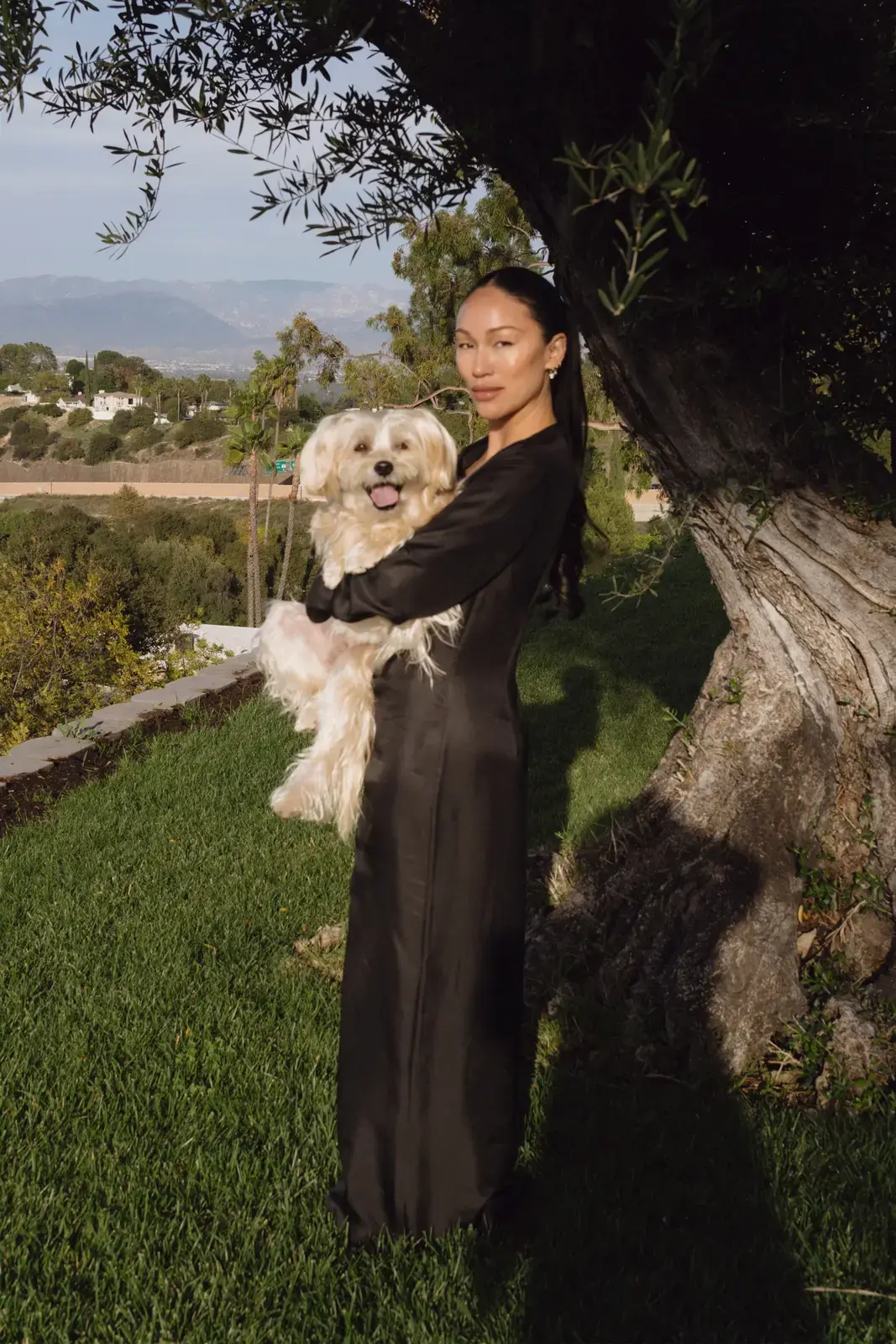
From Pet Care to Laundry: Why Everything’s Getting a Fashion Facelift
These products are marketed not just for performance but as extensions of
Entrepreneurs are transforming everyday functional products into stylish lifestyle statements, from designer dog apparel to premium laundry detergents, tapping into consumer desire for aesthetics in routine items. This trend reflects a broader shift where utility and fashion intersect, driven by social media influence and changing expectations around personal expression through ordinary goods. The movement gained momentum as pet owners began seeking coordinated looks for their animals, inspiring brands like Lil Luv Dog to create fashionable leashes, coats, and accessories that mirror human streetwear trends. Simultaneously, laundry care has evolved beyond basic cleaning, with luxury detergents offering signature scents, elegant packaging, and fabric-specific formulas that position washing as a ritual of self-care rather than a chore.
Breaking News
 Hollywood Elite Honor Carpenter, Theron, and Domingo at Academy Museum Gala
 The Next Generation of Collagen: Small Peptides, Big Claims
 The Impending Rise of Cobalt Blue in 2027 Fashion
 The Secret to a Flawless Autumn Complexion is Sunscreen Layering
These products are marketed not just for performance but as extensions of personal identity, often showcased in curated home settings on platforms like Instagram and TikTok. How Social Media Fuels the Aesthetic Shift Visual platforms have amplified the demand for products that look good in photos and videos, encouraging brands to prioritize design alongside function. Influencers regularly feature aesthetically pleasing pet gear and laundry routines as part of their lifestyle content, normalizing the idea that even mundane tasks can be stylish. This visibility has created feedback loops where consumer interest drives innovation, and innovative designs further boost online engagement. As a result, companies now invest heavily in packaging, color palettes, and material textures to ensure their items are „shelf-worthy” and „share-worthy.” What Happens When Function Meets Fashion? Critics argue that the focus on appearance may overshadow practicality, potentially leading to overpriced items that don’t perform better than standard alternatives.
However, proponents contend that emotional satisfaction and perceived value
However, proponents contend that emotional satisfaction and perceived value justify the premium, especially when products enhance daily routines through sensory appeal. Market data shows growing willingness among consumers to pay more for items that align with their personal aesthetic, particularly among younger demographics who view consumption as a form of storytelling. This suggests the trend is not merely superficial but tied to deeper psychological needs for creativity and control in everyday life. Frequently Asked Questions Is this trend limited to specific product categories? No, it spans pet care, home cleaning, personal grooming, and even tech accessories, wherever routine use allows for stylistic reinterpretation. Are consumers sacrificing quality for looks? Not necessarily; many brands integrate high-performance materials with thoughtful design, aiming to excel in both areas rather than trade one for the other. Will this approach remain popular long-term?
Given its alignment with enduring desires for self-expression and meaningful consumption, the aestheticization of functional goods appears poised to evolve rather than fade.