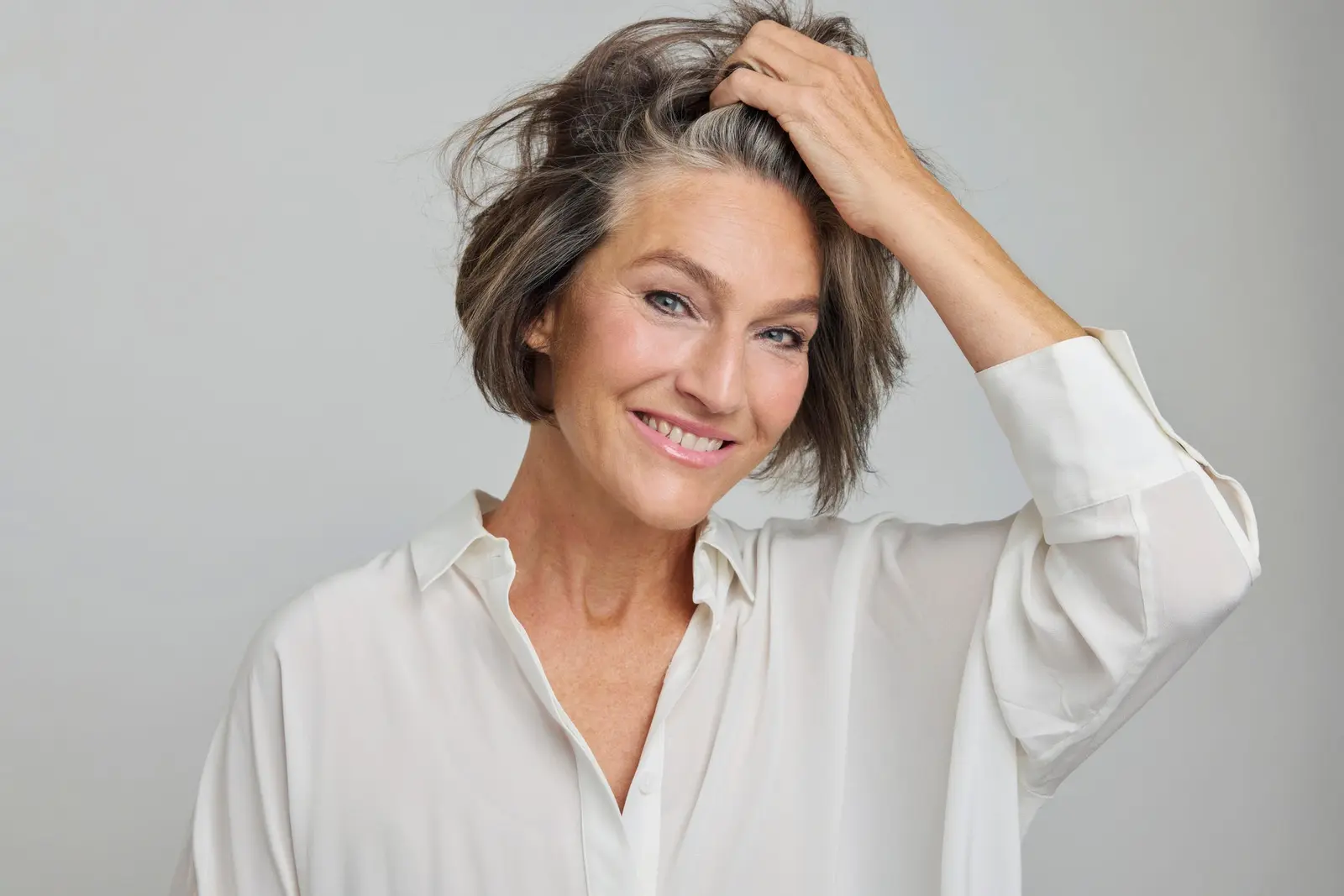
Gray blending specialist shares expert tips for embracing natural silver locks
The Gradual Approach: Why Slow Transition Works Best
Going gray is becoming increasingly popular, but the transition can feel daunting without proper guidance. Sarah Chen, a color specialist with over a decade of experience in gray blending techniques, explains that the key lies in gradual integration rather than sudden changes.
Breaking News
 Hollywood Elite Honor Carpenter, Theron, and Domingo at Academy Museum Gala
 The Next Generation of Collagen: Small Peptides, Big Claims
 The Impending Rise of Cobalt Blue in 2027 Fashion
 The Secret to a Flawless Autumn Complexion is Sunscreen Layering
Chen emphasizes that successful gray transitioning requires patience and strategic planning. „The biggest mistake people make is trying to go completely gray overnight,”she notes. Instead, she recommends a phased approach using balayage or baby lights to seamlessly blend natural gray with existing color. This technique creates dimension while allowing hair to gradually lighten over several months.
The process typically begins with adding subtle highlights around the face, where gray tends to appear first. As natural gray increases, the stylist can adjust the placement and intensity of highlights to maintain balance. Chen points out that this method works particularly well for those with medium to dark hair colors, as the contrast helps mask any harsh lines during the transition period.
Regular maintenance is crucial for maintaining a polished appearance throughout the transition. Chen suggests scheduling touch-ups every 6-8 weeks, depending on hair growth rate. During these sessions, stylists can assess how much new gray has emerged and adjust the blending technique accordingly.
For those experiencing faster graying, more frequent visits may be necessary to prevent obvious regrowth lines. The stylist can also incorporate toning treatments to neutralize any brassy or yellow tones that might make gray hair appear dull or unhealthy.
The investment in regular salon visits pays off in the long run, as proper maintenance prevents the need for drastic corrections later. Chen also recommends using purple or silver shampoos at home to extend the life of the color between appointments.
How Often Should You Touch Up Your Gray Blend?
Looking ahead, the trend toward embracing natural gray hair continues growing, with more salons offering specialized services for gray blending. As Chen observes, „People are realizing that gray hair isn't something to hide—it's a beautiful natural change worth celebrating.” Frequently Asked Questions
Can you transition to gray if you've been coloring your hair dark for years?
Yes, but it requires professional color removal first. Attempting to lighten previously darkened hair at home often results in uneven tones and damage. A skilled colorist can safely lift the old color while preserving hair health.
How long does the full gray transition typically take?
Most people need 6-12 months for a complete transition, depending on their natural hair color and growth rate. The gradual approach allows both hair and owner to adjust comfortably to the new look.
Is gray blending suitable for all hair types?
Gray blending works best on hair that's in good condition. Very fine or damaged hair may need strengthening treatments before beginning the process. Curly or textured hair actually benefits from gray blending, as the varied tones add visual interest to natural curl patterns.