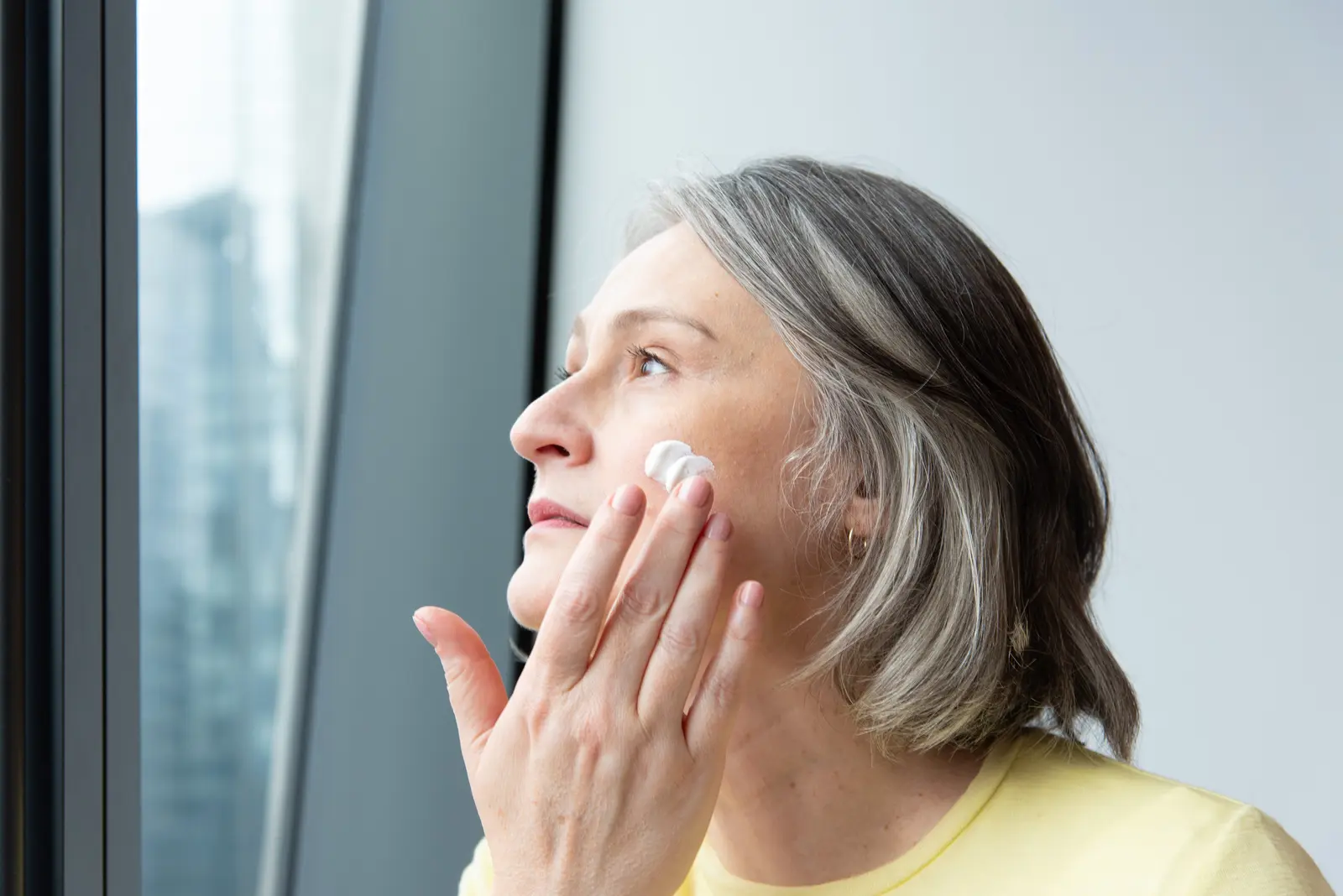
Hydrating Sunscreens for Dry Skin: 12 Best Picks
Why Standard Sunscreens Fail Dry Skin
Dermatologists have identified twelve sunscreens that effectively protect dry skin from UV rays while simultaneously providing essential moisture. These products address a common problem where standard formulas leave skin feeling tight, flaky, and uncomfortable. The selection focuses on formulations that soften the skin barrier as they block harmful radiation.
Breaking News
 NYC Jewelry Week Honors High School Talent With New Award
 Nike Gyakusou Running Line Returns After Five-Year Hiatus
 The Best Long-Lasting Perfumes You Can Bank On
 Swinging Sixties fashion trends are making a strong return to runways and retail floors
Angela J. Lamb, M. D., an associate professor of dermatology at Icahn School of Medicine, explains that inadequate hydration in sunscreen formulas leads to visible flakiness and uneven texture. She notes that many standard products exacerbate dryness, making application unpleasant for those with compromised skin barriers. The recommended products avoid this issue by integrating moisturizing agents directly into the SPF base.
Which Ingredients Make a Sunscreen Truly Hydrating?
Most commercial sunscreens contain alcohols and drying agents that strip natural oils. For individuals with eczema, psoriasis, or naturally dry skin, this creates a vicious cycle of irritation. The twelve selected products were tested specifically for their ability to maintain skin hydration levels during extended sun exposure. Each formula balances UV protection with emollients that lock in moisture, preventing the tight, cracked sensation that plagues users of conventional SPF products.
The effective products rely on humectants like glycerin and hyaluronic acid to attract water to the skin surface. Occlusive agents such as squalane and ceramides form a protective film that reduces transepidermal water loss. This dual approach ensures the skin stays supple even under intense UV stress.
Users report that these hydrating formulas eliminate the chalky, drying feel associated with older sunscreen generations. The result is a smoother application experience and better long-term skin health for those managing chronic dryness.
Frequently Asked Questions
Do hydrating sunscreens reduce UV protection? No. The added moisturizing ingredients do not dilute the active UV filters. The SPF rating remains accurate, while the hydrating components improve comfort and skin appearance.
Can I use these on my face if I have sensitive skin? Yes. The selected products are formulated to be gentle on sensitive and reactive skin. They avoid common irritants like fragrance and high concentrations of drying alcohols.