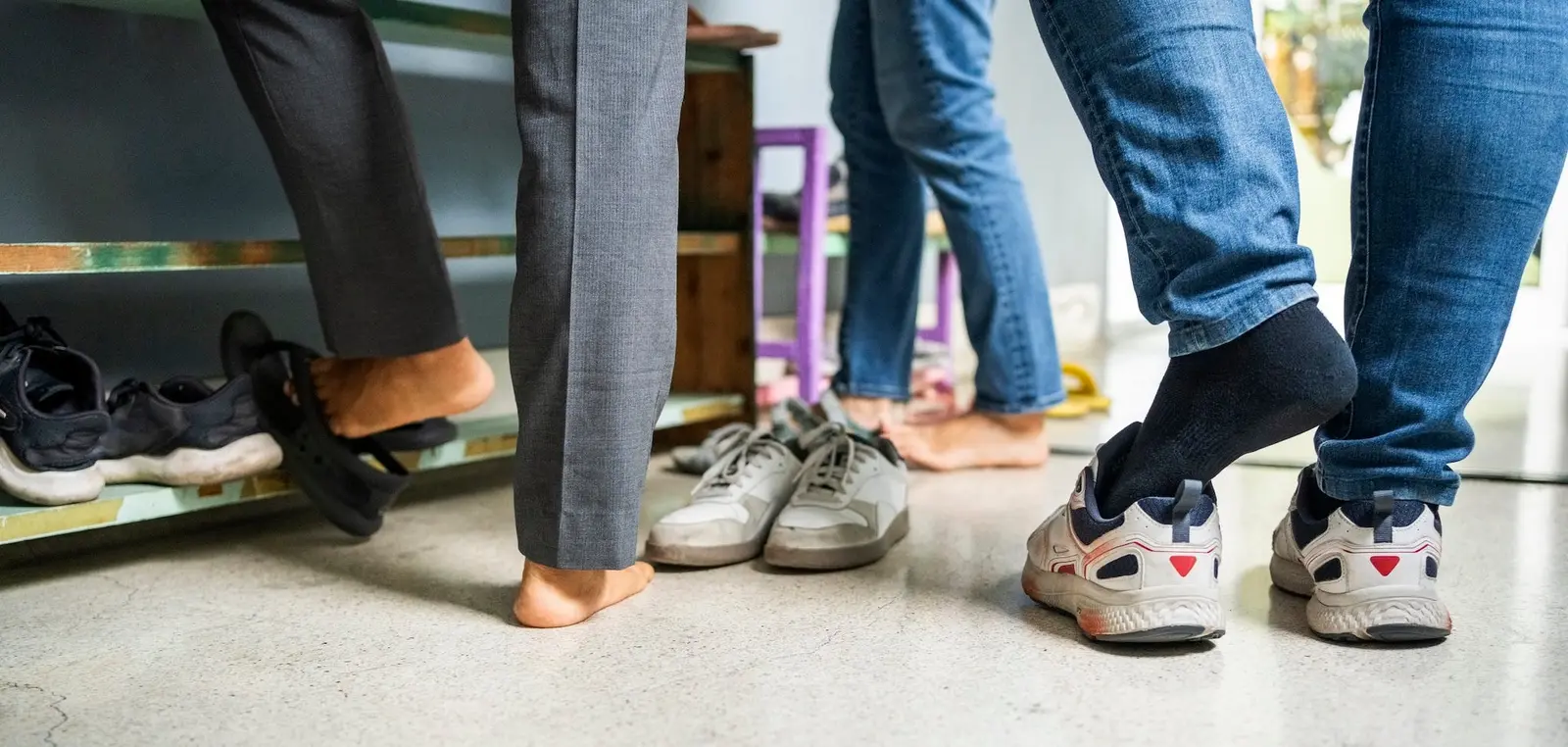
Is It Really Safe to Wear Shoes Inside Your Home?
The Science Behind Shoe‑In‑House Hygiene
A debate that has ruffled household habits for decades has finally been addressed by a professional cleaner who has spent more than a decade studying household hygiene. The question—whether it is acceptable to walk around the house in shoes—has prompted a clear, science‑backed answer that many homeowners can use to decide their own policies.
Breaking News
 Hollywood Elite Honor Carpenter, Theron, and Domingo at Academy Museum Gala
 The Next Generation of Collagen: Small Peptides, Big Claims
 The Impending Rise of Cobalt Blue in 2027 Fashion
 The Secret to a Flawless Autumn Complexion is Sunscreen Layering
The discussion began when a homeowner asked a local cleaning service about the best way to keep floors clean. The expert, who has worked in both commercial and residential settings, explained that the presence of shoes inside a home can carry dirt, moisture, and pathogens from outside. She cited studies that showed that a single pair of shoes can transfer up to 10,000 bacteria onto indoor surfaces. The conversation evolved into a broader conversation about health, cleanliness, and cultural habits.
Cultural Traditions vs. Modern Hygiene
Research from microbiology labs indicates that footwear can act as a vector for a wide range of microbes, including E. coli and Salmonella . In a controlled experiment, researchers collected swabs from the soles of shoes before and after a 30‑minute walk outside. The post‑walk samples revealed a significant increase in bacterial load. The cleaning professional highlighted that the risk is higher in households with young children or elderly residents, who may be more susceptible to infections. She also noted that damp or muddy shoes carry a higher bacterial count than dry, clean ones.
The expert recommends a simple protocol: a designated shoe‑free zone in every home. In addition, she advises installing a mat at every entryway and encouraging guests to remove shoes before stepping inside. When shoes are worn inside, she stresses the importance of regular cleaning—vacuuming, mopping, and disinfecting—to reduce the spread of germs.
Practical Tips for Maintaining a Clean Home
In many cultures, such as in Japan or parts of the Middle East, removing shoes before entering a home is a long‑standing custom. These practices have evolved alongside a deep respect for indoor cleanliness. The cleaning professional points out that these traditions are not merely cultural but also practical. „The act of removing shoes is a physical reminder to keep the living space clean,” she says. „It’s a low‑effort habit that has proven benefits.”
In contrast, Western households often value convenience and personal comfort. The debate intensifies when guests are expected to wear shoes inside, especially in large homes where multiple entry points exist. The expert suggests that homeowners can strike a balance by offering a small, attractive shoe rack near the door and encouraging guests to use the provided footwear.
What Happens If You Ignore the Advice?
To implement a shoe‑free policy, the expert recommends a few straightforward steps:
1. Install a mat that can be easily wiped or replaced. 2. Place a small shoe rack or storage area near the entrance. 3. Provide a set of indoor slippers for guests who prefer not to remove shoes entirely. 4. Encourage family members to keep their shoes in a designated spot outside the house.
Frequently Asked Questions
The professional also emphasizes that cleaning frequency matters. „Vacuuming twice a week and mopping once a month can significantly reduce the bacterial load,” she notes. „Regular cleaning keeps the environment safe for everyone.”
If shoes are allowed to roam freely inside, the risk of cross‑contamination rises. In households with young children or immunocompromised individuals, this can lead to increased incidence of gastrointestinal infections or skin irritations. Over time, the accumulation of dirt can damage flooring, especially hardwood or laminate, leading to costly repairs. By adopting a shoe‑free zone, homeowners can protect their family’s health, preserve their floors, and maintain a cleaner, more welcoming environment.