It's Not a Whitehead, It's Milia—Here's How to Treat It
Milia, however, lack an opening to the surface and cannot be extracted through
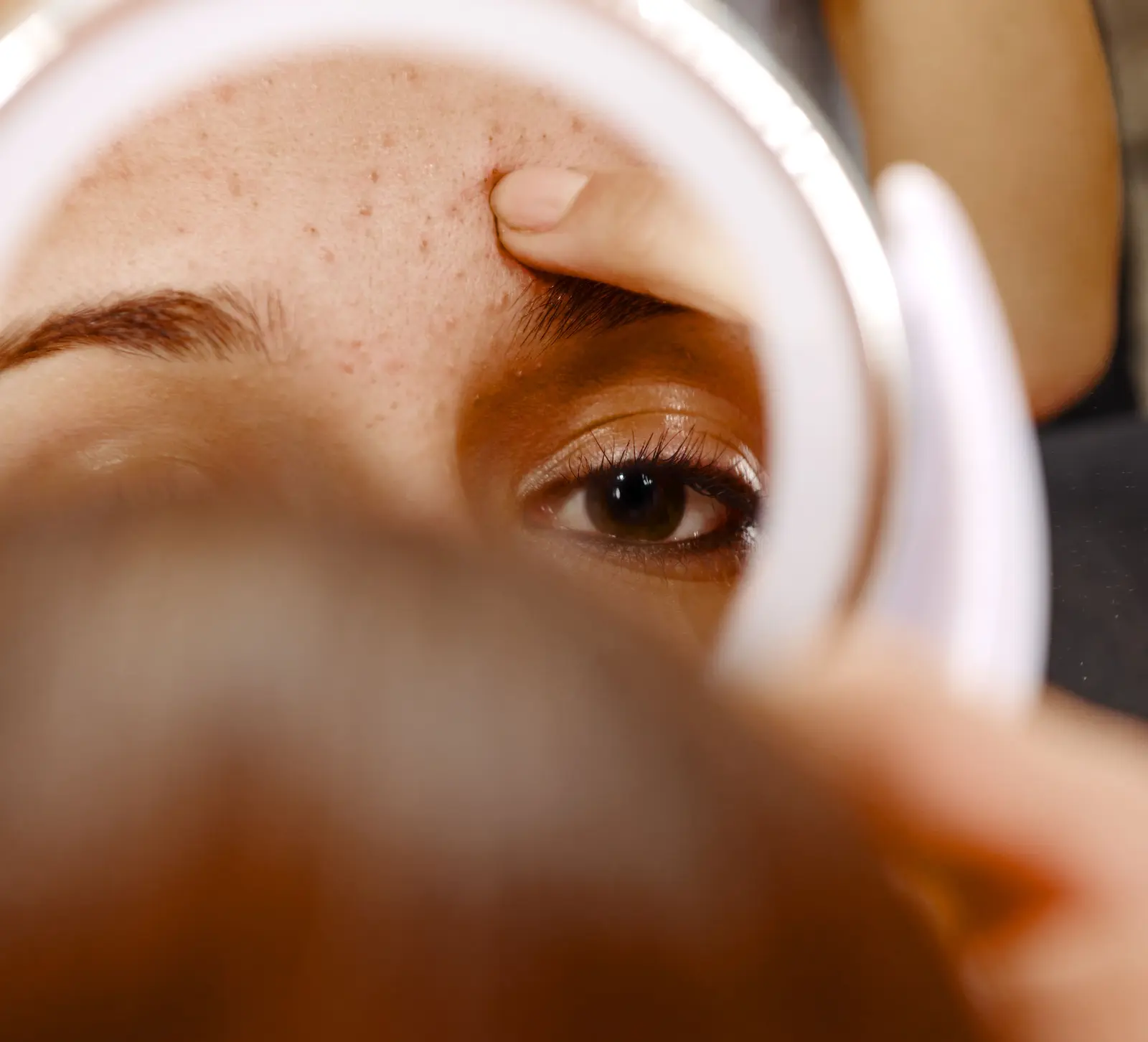
Milia are small, white bumps that commonly appear on the face, especially around the eyes and cheeks, and are often mistaken for whiteheads. Unlike acne, they form when keratin becomes trapped beneath the skin's surface and are not caused by clogged pores or bacteria. Dermatologists note that while milia are harmless and painless, many people seek treatment for cosmetic reasons, particularly when they persist or appear in noticeable areas. These cysts can develop at any age but are frequently seen in newborns and adults with sun-damaged or mature skin. The primary distinction between milia and whiteheads lies in their formation and treatment. Whiteheads result from blocked hair follicles due to oil and dead skin cells, making them responsive to topical acne treatments like salicylic acid or benzoyl peroxide.
Breaking News
 Hollywood Elite Honor Carpenter, Theron, and Domingo at Academy Museum Gala
 The Next Generation of Collagen: Small Peptides, Big Claims
 The Impending Rise of Cobalt Blue in 2027 Fashion
 The Secret to a Flawless Autumn Complexion is Sunscreen Layering
Milia, however, lack an opening to the surface and cannot be extracted through squeezing; attempting to do so may cause irritation or scarring. Instead, dermatologists recommend professional removal methods such as sterile needle extraction, laser therapy, or chemical peels using glycolic or retinoic acid. Topical retinoids may also help prevent recurrence by promoting cell turnover, though they are not effective for immediate removal. Why Professional Extraction Is Often Necessary Because milia are sealed beneath the epidermis, over-the-counter products rarely penetrate deeply enough to resolve them. A dermatologist or licensed esthetician uses a tiny blade or needle to create a micro-incision, allowing the keratin plug to be gently lifted out. This procedure is quick, typically painless when performed correctly, and leaves minimal risk of marks when done by a trained professional. Some clinics offer laser ablation for stubborn or widespread cases, particularly on delicate areas like the eyelids.
Patients are advised against home removal
Patients are advised against home removal, as improper technique can lead to infection or post-inflammatory hyperpigmentation. How Can You Prevent Milia From Returning? Prevention focuses on maintaining healthy skin turnover and avoiding heavy, pore-clogging cosmetics. Using non-comedogenic moisturizers and sunscreens reduces the risk of keratin buildup, especially for those prone to milia. Regular, gentle exfoliation with lactic acid or enzyme-based products may help, but harsh scrubs should be avoided as they can irritate the skin and worsen the condition. Sun protection is also critical, as UV damage thickens the skin and impedes natural shedding. Dermatologists emphasize consistency: while milia may recur, a tailored skincare routine can significantly reduce their frequency over time. Frequently Asked Questions Are milia contagious or a sign of poor hygiene? No, milia are neither contagious nor related to hygiene. They result from trapped keratin and can occur in anyone regardless of skin care habits.
Can milia go away on their own? In some cases, especially in infants, milia resolve spontaneously within weeks or months. In adults, they often persist without intervention and may require treatment for removal. Is it safe to pop milia at home? No, attempting to pop milia at home is not recommended. Unlike pimples, they have no natural opening, and forceful extraction can damage the skin, leading to scarring or infection.