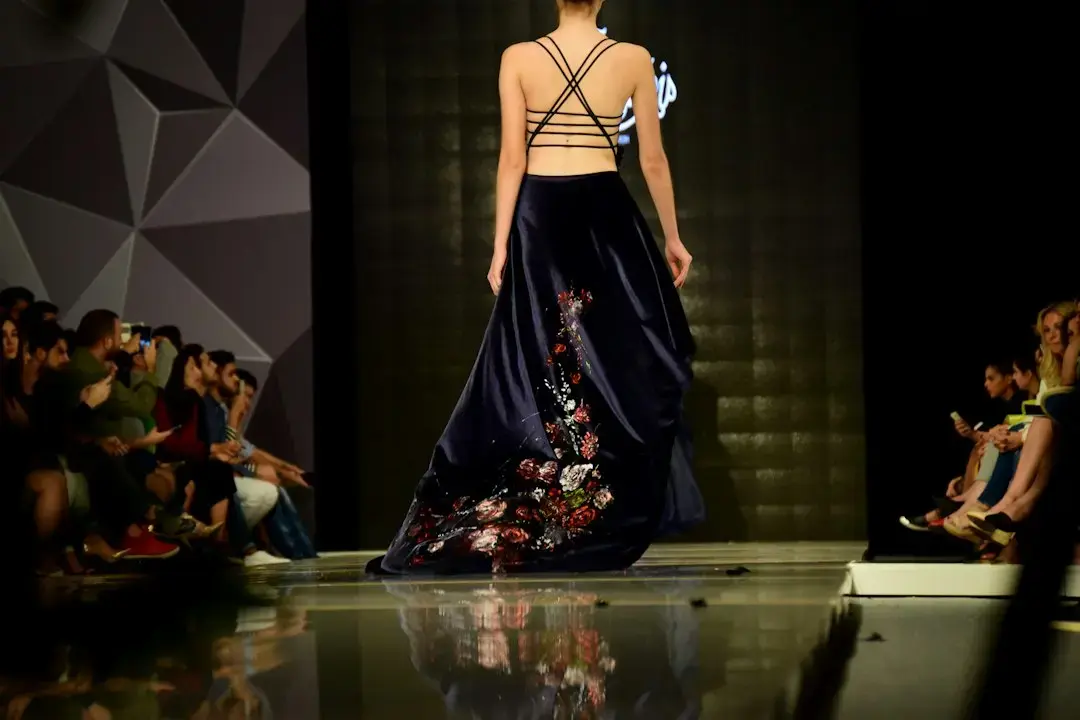
Milan Fashion Week showcases enduring power of classic tailoring
Precision Over Experimentation in New Collections
During the recent Milan Fashion Week, prominent Italian houses like Brioni, Kiton, and Blazé Milano presented their Spring 2027 ready-to-wear collections. These brands focused heavily on traditional sartorial craftsmanship. The event highlighted a strong commitment to structured garments. Designers aimed to prove that classic suits remain relevant for modern wardrobes. This presentation served as a counterpoint to trend-driven fast fashion.
Breaking News
 Hollywood Elite Honor Carpenter, Theron, and Domingo at Academy Museum Gala
 The Next Generation of Collagen: Small Peptides, Big Claims
 The Impending Rise of Cobalt Blue in 2027 Fashion
 The Secret to a Flawless Autumn Complexion is Sunscreen Layering
The core message from these labels was one of precision and heritage. Each collection emphasized clean lines and high-quality fabrics. The designers avoided overly experimental cuts or chaotic patterns. Instead, they leaned into the reliability of well-fitted jackets and trousers. This approach appeals to buyers seeking longevity over fleeting styles. The shows demonstrated that structure still holds significant value in luxury retail.
The Spring 2027 offerings from these three houses shared a common thread of restraint. Brioni, Kiton, and Blazé Milano all prioritized fit above all else. The collections featured tailored blazers, sharp trousers, and elegant shirts. There was little room for error in the construction details. Each piece reflected decades of accumulated expertise in menswear design. The focus remained on how fabric drapes over the body. This methodical approach ensures that the garments maintain their shape over time. It signals a market segment that values durability and timeless appeal.
Does Classic Style Still Dominate Luxury Menswear?
The use of premium materials further distinguished these presentations. Natural fibers dominated the palettes, offering breathability and comfort. The color schemes tended toward neutrals and deep, rich tones. This choice allows for easy mixing and matching within a wardrobe. The designers understood that versatility is a key selling point for professional men. By sticking to proven formulas, they reduced the risk of alienating loyal customers. The result was a cohesive narrative across the three distinct brands.
The strong performance of these tailoring-centric shows suggests a clear consumer preference. Buyers are increasingly looking for pieces that transcend seasonal trends. The emphasis on craftsmanship provides a tangible justification for higher price points. Customers can see the effort invested in every seam and buttonhole. This transparency builds trust between the brand and its clientele. It also differentiates these houses from mass-market competitors. The success of such collections indicates that minimalism is not about less, but better.
Looking ahead, this trend may influence other segments of the fashion industry. More brands might adopt similar strategies of quality over quantity. The focus on fit could lead to more personalized shopping experiences. Technology might assist in achieving perfect measurements for individual clients. However, the fundamental appeal of a well-made suit remains unchanged. The Milan shows proved that tradition can coexist with contemporary expectations. Future collections will likely continue to balance innovation with heritage.
Frequently Asked Questions
Which specific brands led the tailoring showcase in Milan? Brioni, Kiton, and Blazé Milano were the primary houses presenting strong sartorial offers. Their Spring 2027 ready-to-wear collections defined the event's tailoring focus.
What was the main characteristic of the presented collections? The collections emphasized precision, high-quality fabrics, and classic structures. Designers avoided experimental cuts in favor of reliable, timeless designs.
How does this trend affect future luxury menswear? It suggests a growing demand for durable, versatile pieces over fast-fashion items. Brands may prioritize craftsmanship and fit to meet evolving consumer expectations.