Modern Fashion Meets Austen in New Sense and Sensibility Costumes
Blending Historical Accuracy With Contemporary Design Vision
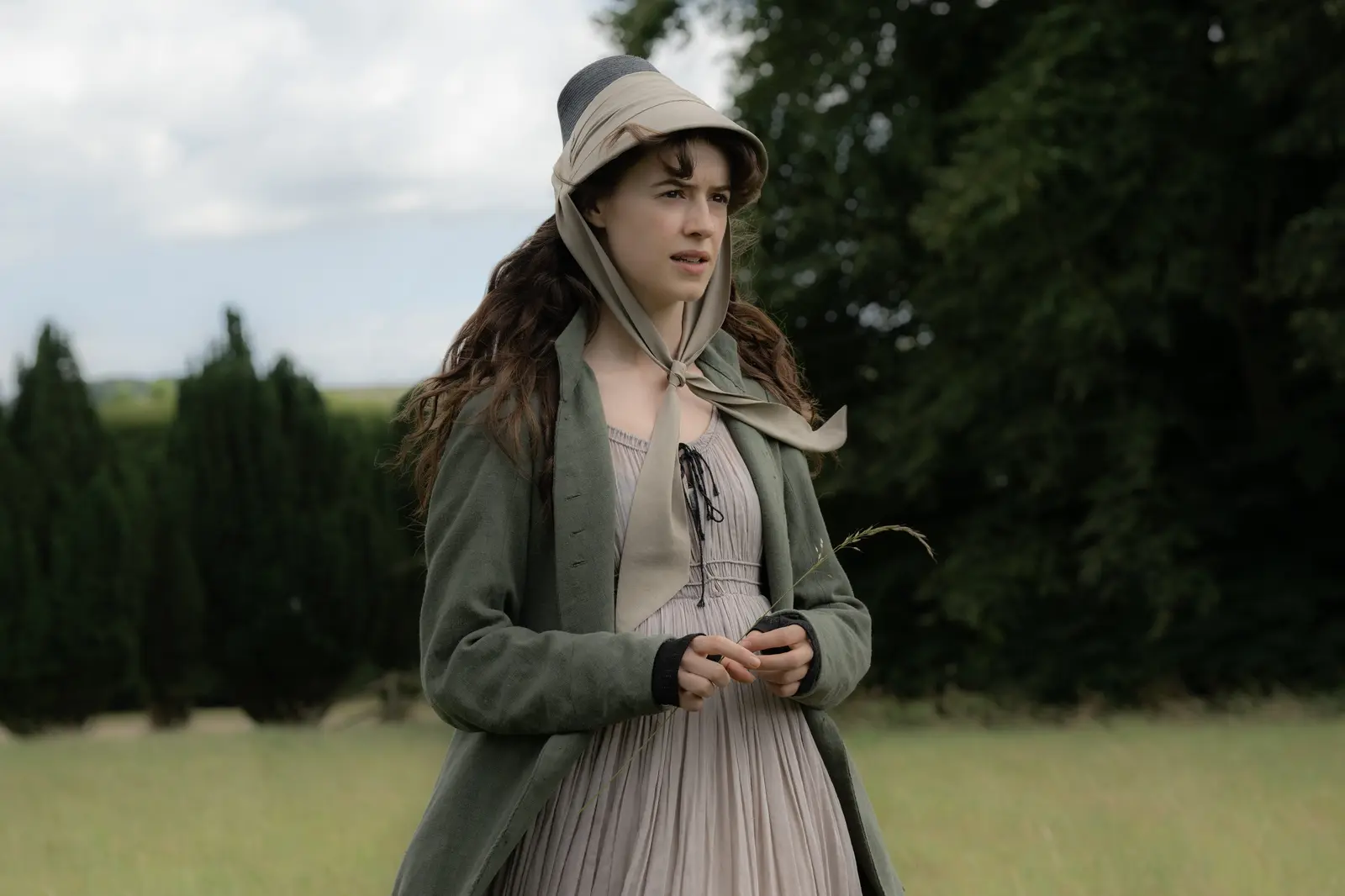
The latest film adaptation of Jane Austen's Sense and Sensibilityrelies on historically grounded yet surprisingly contemporary costume design. Starring Daisy Edgar-Jones and George MacKay, the movie transports viewers to 1795-1799 England, where costume designer Grace Snell carefully balanced period accuracy with modern sensibilities.
Breaking News
 Google's 2026 Holiday 100: The Viral Beauty Products Everyone Is Searching For
 Winter 2027 pedicure trends favor bold, warm tones over neutral shades
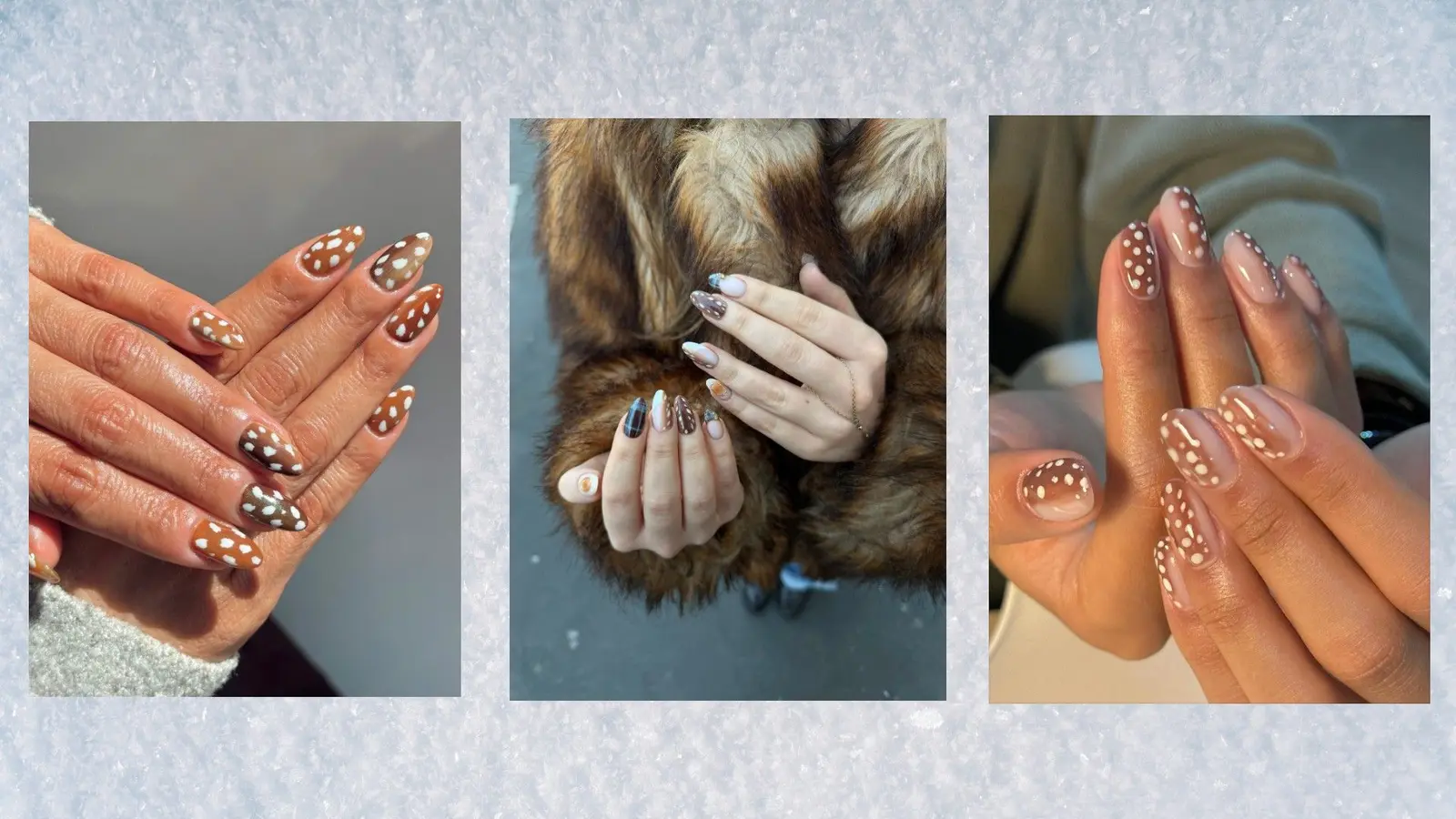 Animal Prints Make a Stylish Comeback on Winter Nails
 Best Beauty Gifts That Will Actually Get Used
Snell drew inspiration from unexpected sources, blending the earthy realism of the late Georgian/Regency era with references that feel surprisingly current. Rather than relying solely on traditional period costume archives, she incorporated elements that resonate with today's fashion landscape while maintaining the film's historical authenticity.
The costume designer's approach involved layering authentic period details—such as demure bonnets, stately jackets, and flowing skirts—with subtle nods to modern fashion sensibilities. This technique allowed the garments to feel lived-in and genuine rather than museum-perfect, supporting the film's naturalistic storytelling style.
How Did Modern References Influence Period Authenticity?
Snell's methodology emphasized texture and movement, ensuring that each costume served both character development and narrative flow. The earthy color palette reflected the practical realities of the period while complementing the film's cinematography and overall aesthetic vision.
By incorporating contemporary design elements, Snell created costumes that felt authentic to the era yet accessible to modern audiences. The references helped bridge the gap between historical drama and contemporary viewer expectations, making the characters' emotional journeys more relatable through their clothing choices.
The designer's choices supported the film's exploration of class, gender, and social mobility during a time of significant cultural transition in English society.
The resulting costumes enhance the film's emotional depth while grounding it firmly in its historical moment. This approach demonstrates how thoughtful costume design can elevate period pieces beyond mere historical recreation, creating garments that serve both story and spectacle.
Frequently Asked Questions
What time period does the film's costume design represent? The costumes reflect the late Georgian/Regency period, specifically set between 1795 and 1799, capturing the transitional fashion of that era.
Which modern designers influenced the costume choices? Comme des Garçons and Callahan were among the contemporary references that informed the designer's approach to blending historical and modern aesthetics.
How did the costumes support character development? Each garment was designed to reflect the characters' emotional states and social positions, using texture, color, and silhouette to enhance the narrative arc.