
Modern Skin Rejuvenation: The Evolution of CO2 Laser Treatments
Precision Engineering for Targeted Results
CO2 laser resurfacing has shed its reputation for causing prolonged downtime and severe skin irritation. Modern dermatological technology now allows for precise, customizable treatments that address various skin concerns. Patients seeking to improve texture or reduce scarring can now achieve professional results without the intense recovery periods associated with older, traditional laser methods.
Breaking News
 Animal Prints Make a Stylish Comeback on Winter Nails
 Best Beauty Gifts That Will Actually Get Used
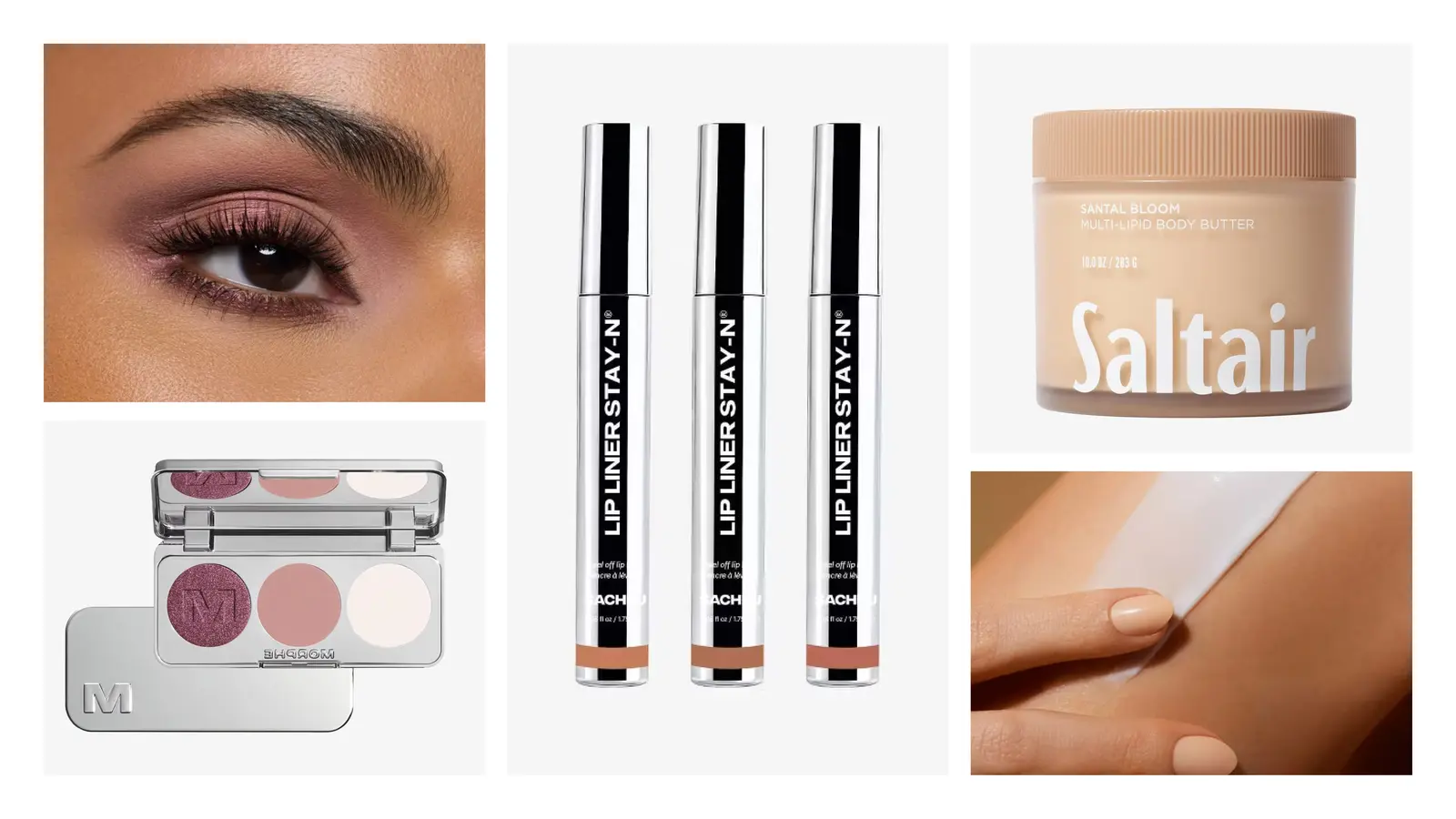 Target Beauty Gifts: Top Picks for the Season
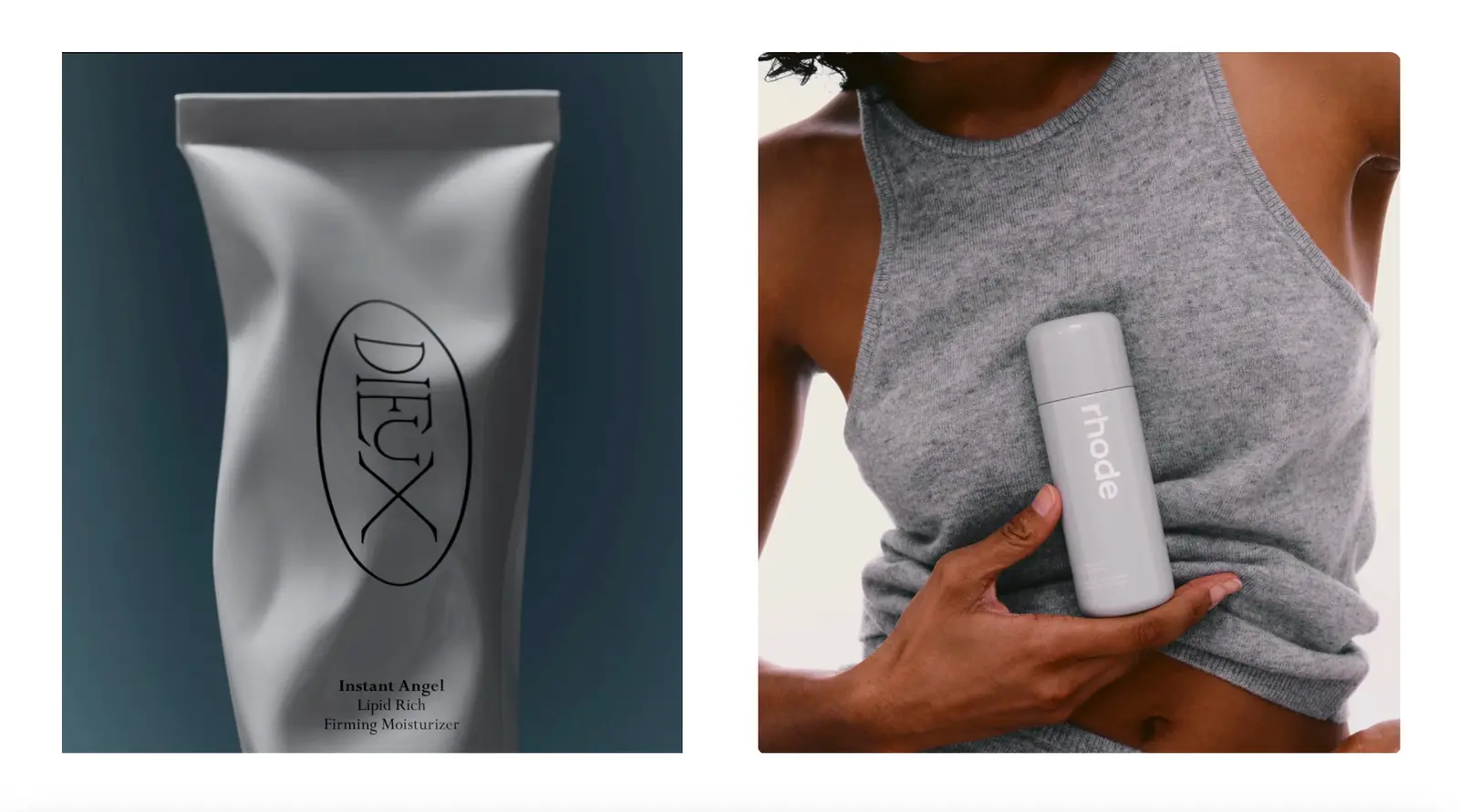 Ceramide-based moisturizers are gaining serious traction among dermatologists and beauty editors
The technology has evolved significantly from its early, aggressive iterations. Today’s fractional CO2 lasers operate by delivering light in targeted patterns rather than treating the entire surface area at once. This approach preserves surrounding healthy tissue, which accelerates the healing process. Doctors can calibrate the intensity to match the specific needs of the patient’s skin.
The versatility of current laser systems allows practitioners to treat a wide spectrum of issues. Mild surface irregularities, fine lines, and deep acne scars are all manageable with adjusted settings. Because the laser creates microscopic treatment zones, the skin’s natural repair mechanisms are triggered more efficiently. This leads to increased collagen production and a smoother complexion over time.
Is This Treatment Right for Your Skin?
Patients often find that the ability to customize the depth and density of the treatment makes the experience more manageable. By fine-tuning the energy levels, clinicians can provide effective resurfacing for different skin types and conditions. This level of control has transformed the procedure from an intimidating, high-risk endeavor into a standard, reliable cosmetic option.
While the technology is safer than ever, the suitability of the procedure depends on individual skin health and goals. Consulting with a qualified professional is essential to determine the appropriate intensity for your specific needs. Most individuals find that the balance between downtime and visible improvement is now much more favorable than in previous decades.
Frequently Asked Questions
As the industry continues to refine these tools, the focus remains on minimizing patient discomfort while maximizing aesthetic outcomes. Those who previously avoided resurfacing due to fears of long recovery times may find that modern options offer a much more approachable path to skin rejuvenation.
What makes modern CO2 lasers different from older versions? Modern fractional technology treats only a fraction of the skin at a time. This method significantly reduces healing time and minimizes the risk of side effects compared to older, non-fractional lasers.
How long is the typical recovery period? Recovery times vary based on the intensity of the treatment. Because modern lasers are highly adjustable, downtime can be tailored to fit a patient's schedule and specific skin concerns.