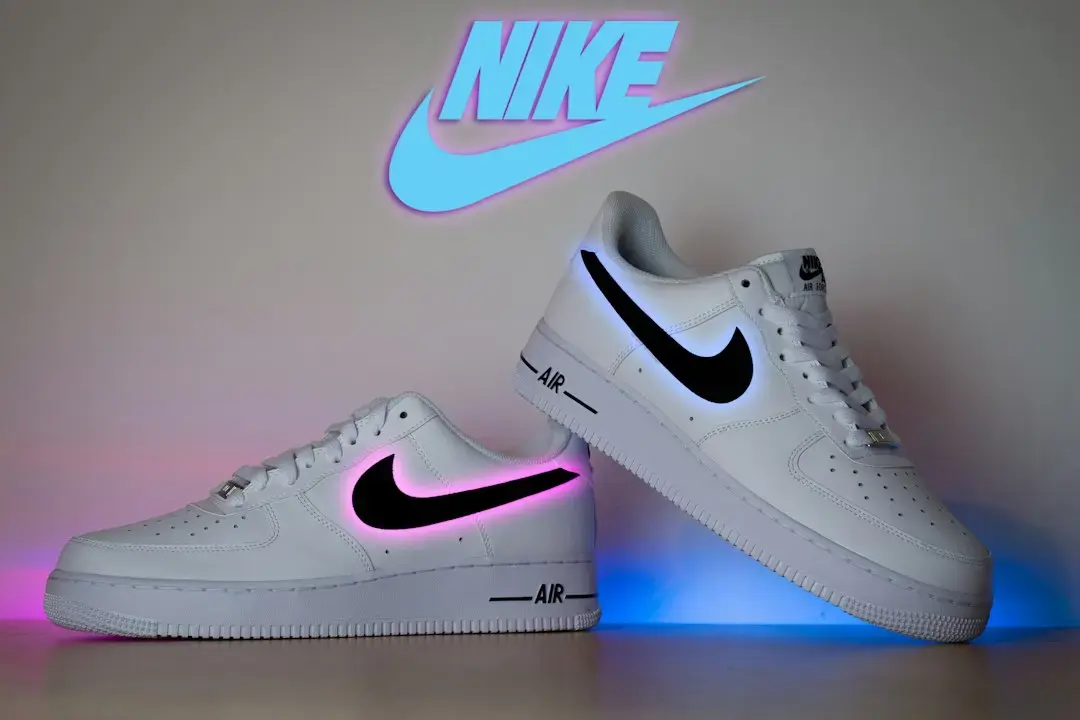
Nike Air Force 1: From Court to Cultural Icon
How the Air Force 1 Became a Cultural Touchstone
The Nike Air Force 1 debuted in 1982 as a basketball shoe designed for the NBA. It was the first sneaker to feature Nike’s Air cushioning system, offering players enhanced ankle support and shock absorption. The model quickly gained popularity among athletes and streetwear enthusiasts alike.
Breaking News
 Hollywood Elite Honor Carpenter, Theron, and Domingo at Academy Museum Gala
 The Next Generation of Collagen: Small Peptides, Big Claims
 The Impending Rise of Cobalt Blue in 2027 Fashion
 The Secret to a Flawless Autumn Complexion is Sunscreen Layering
The shoe was introduced during a period when basketball was becoming a global phenomenon. Nike’s partnership with the NBA gave the Air Force 1 instant credibility. Its simple silhouette, durable leather upper, and visible Air unit appealed to both players and fans. Over the decades, the model evolved with new colors, materials, and collaborations, cementing its status as a fashion staple.
The Air Force 1’s influence extended beyond the court. In the 1990s, hip‑hop artists and graffiti artists embraced the shoe as a symbol of urban style. Limited‑edition releases featuring celebrity designers and artists sparked intense hype. Each drop often sold out within minutes, driving resale markets and collector culture.
What Drives the Air Force 1’s Enduring Popularity?
Nike’s marketing strategy leveraged this momentum by partnering with high‑profile musicians and fashion houses. The shoe’s versatility—wearable for everyday life, sports, or runway—allowed it to cross demographic lines. The result was a sneaker that became synonymous with self‑expression and authenticity.
The model’s design simplicity is a key factor. Its clean lines and interchangeable colorways make it adaptable to countless outfits. Additionally, the Air Force 1’s robust construction ensures long‑term wear, appealing to consumers who value durability.
Nike’s continuous innovation also keeps the line fresh. Recent iterations include sustainable materials, upgraded cushioning, and collaborations with emerging designers. These updates demonstrate the brand’s commitment to balancing heritage with contemporary trends.
Will the Air Force 1 Survive the Next Decade?
The sneaker’s cultural relevance is further amplified by its presence in media. From movies to music videos, the Air Force 1 is frequently featured, reinforcing its iconic status. Fans often view ownership as a badge of belonging to a broader community that values creativity and individuality.
The sneaker’s future hinges on its ability to adapt to shifting consumer preferences. As sustainability becomes a priority, Nike’s investment in eco‑friendly production could attract environmentally conscious buyers. Moreover, the brand’s collaboration strategy may continue to generate buzz and maintain relevance among younger audiences.
However, market saturation and rising competition from other heritage brands pose challenges. To stay ahead, Nike must balance nostalgia with innovation, ensuring that each new release feels both familiar and fresh.
Frequently Asked Questions
Q1: When was the Nike Air Force 1 first released? A1: The Air Force 1 was launched in 1982 as a basketball shoe featuring Nike’s Air cushioning.
Q2: Why has the Air Force 1 remained popular for so long? A2: Its simple, durable design, cultural associations, and continuous updates keep it relevant across generations.
Q3: What recent changes have Nike made to the Air Force 1 line? A3: Nike has introduced sustainable materials, improved cushioning, and new collaborations to refresh the classic silhouette.