Orange Peel Silk and Veggie Cashmere: CFDA/Vogue Finalists Explore Bio-Based Fabrics
From Citrus Waste to Luxury Threads
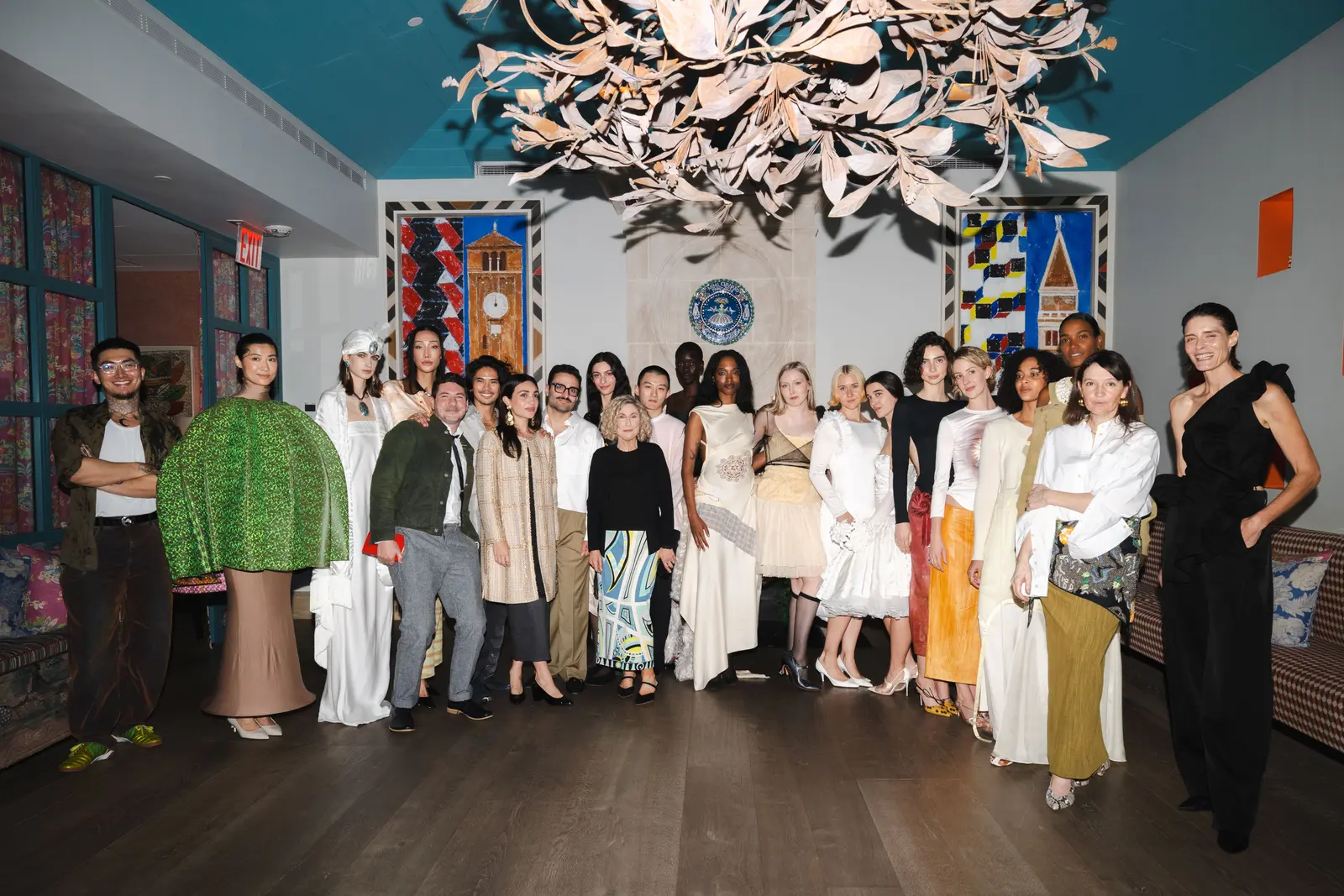
Ten designers competing in the 2026 CFDA/Vogue Fashion Fund were tasked with reimagining their collections using sustainable, bio-based materials as part of the annual Material Innovation Challenge. Presented in partnership with Humane World for Animals, the initiative encouraged finalists to move beyond conventional textiles and explore alternatives derived from food waste and plant sources. Each finalist received a stipend and access to recommended material libraries to support experimentation. The challenge aimed to push creative boundaries while addressing environmental concerns tied to traditional fabric production.
Breaking News
 Hollywood Elite Honor Carpenter, Theron, and Domingo at Academy Museum Gala
 The Next Generation of Collagen: Small Peptides, Big Claims
 The Impending Rise of Cobalt Blue in 2027 Fashion
 The Secret to a Flawless Autumn Complexion is Sunscreen Layering
Several finalists highlighted innovative uses of food byproducts in their designs. One designer developed a silk-like fabric extracted from orange peel cellulose, noting its soft drape and natural sheen after processing. Another transformed potato starch into a biodegradable sequin alternative, reducing reliance on petroleum-based plastics. A third experimented with pineapple leaf fibers to create structured panels for jackets, emphasizing durability and breathability. These approaches reflect a growing trend in circular design, where agricultural waste becomes raw material for high-end fashion. Designers reported that sourcing required new supply chain partnerships but yielded materials with lower carbon footprints than conventional options.
How Do Bio-Fabrics Perform in Real-World Wear?
Performance testing became a critical phase as designers evaluated how their novel materials held up under everyday conditions. Teams conducted abrasion tests, wash cycles, and UV exposure trials to assess longevity and colorfastness. One finalist noted that their veggie cashmere blend, made from soybean protein and recycled cotton, retained warmth after multiple washes but required gentle handling to prevent pilling. Another found that their algae-based dye faded slightly in sunlight but offered a unique, evolving hue over time. These insights are shaping future iterations, with several designers planning to refine blends or apply protective coatings to enhance resilience without compromising sustainability.
What materials were most commonly explored by the finalists? Finalists frequently worked with fruit and vegetable waste, including orange peel, potato starch, and pineapple leaves, as well as plant proteins like soybean and algae-derived compounds.
Frequently Asked Questions
Did any designers use lab-grown proteins in their collections? Yes, one finalist incorporated lab-grown collagen fibers to create a leather alternative, aiming to replicate texture and strength without animal sourcing.
Will these experimental fabrics appear in the finalists’ upcoming collections? Several designers confirmed plans to integrate refined versions of their bio-based materials into their next seasonal lines, pending further testing and scalability assessments.