Purple Takes the Spotlight as Party‑Season Color
Purple’s Rise: From Runway to Everyday
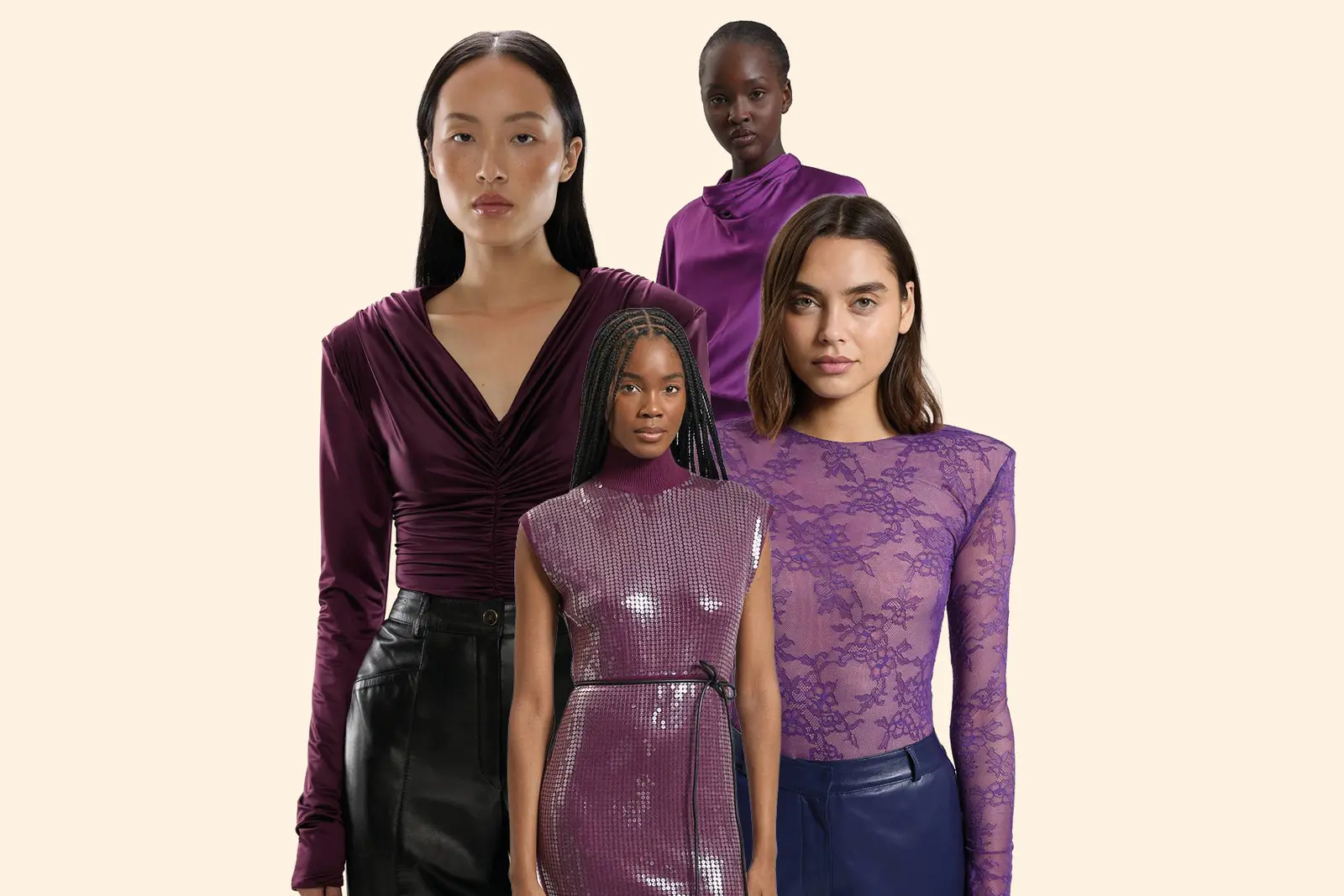
The autumn‑winter runway season saw purple dominate, from deep aubergine to bright violet. Fashion houses showcased the hue in gowns, accessories, and footwear, signaling a shift away from the traditional red accents that have long defined fall looks. The trend has already spilled into ready‑to‑wear collections, with designers offering purple handbags, shoes, and even outerwear for the upcoming party season.
Breaking News
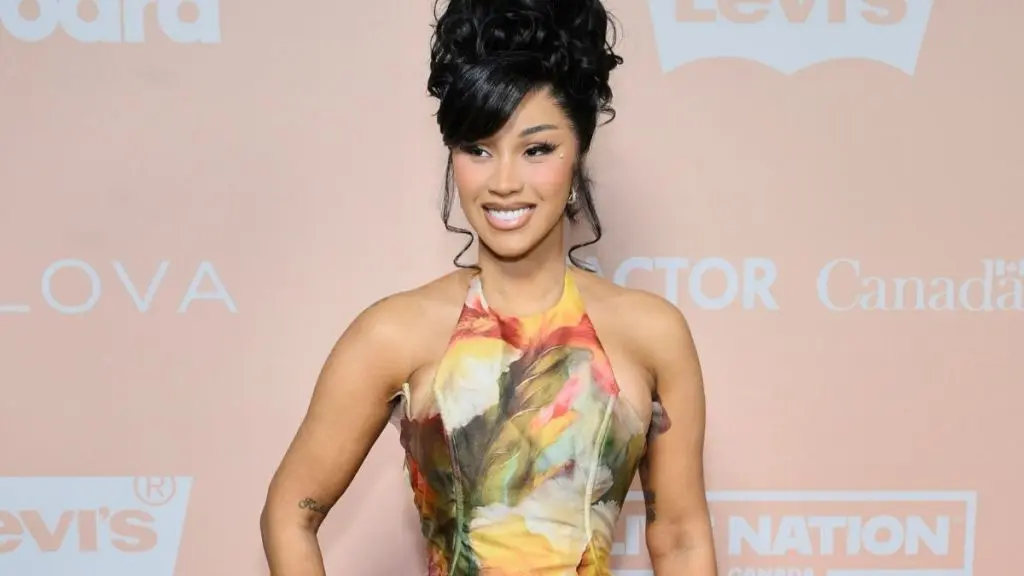 Cardi B Stuns in Body-Hugging Maquinn Gown at Billboard Canada Awards
 Vitamin C Breaks Out Beyond Facial Routines
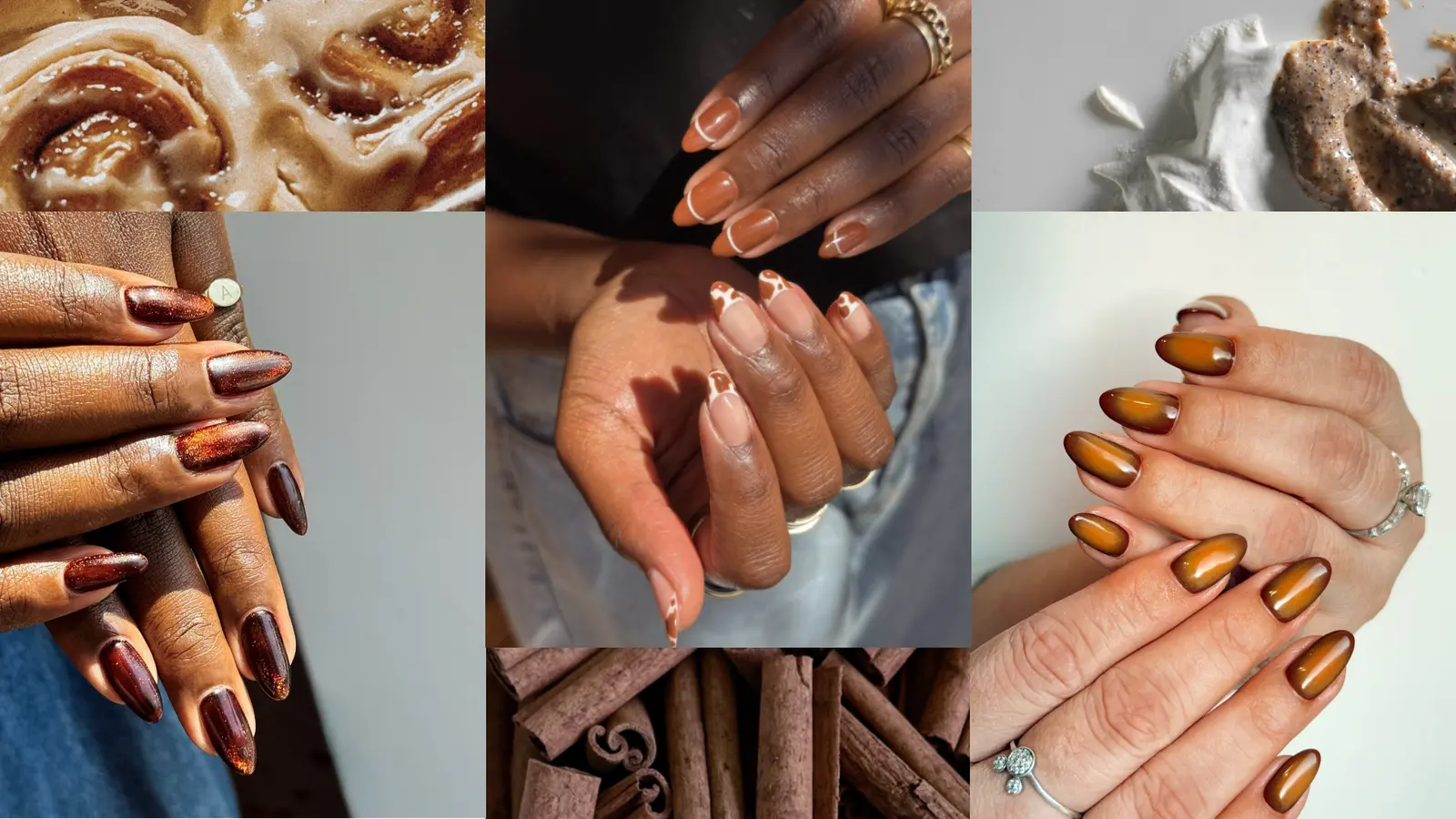 Global Searches Surge as Cinnamon Nails Warm Up Winter Beauty Trends
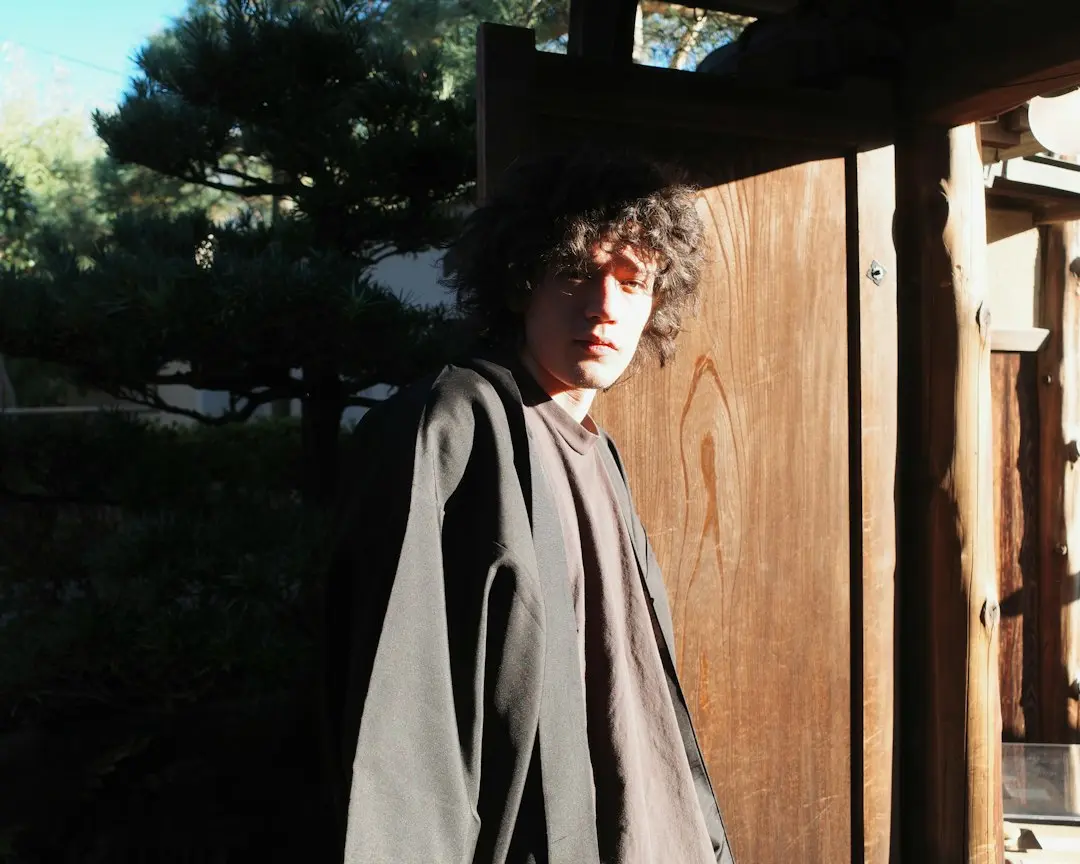 Yohji Yamamoto Transforms Leather Jackets into Wearable Canvases
The move to purple reflects a broader desire for fresh, unexpected color palettes. While red—scarlet, burgundy, crimson—has been the go‑to for adding drama to autumn outfits, the current season’s designers are embracing the versatility of purple. From bold statement pieces to subtle accents, the color offers both richness and playfulness, appealing to a wide range of consumers.
Is Purple the New Red? (and Why It Matters)
Fashion editors note that purple’s popularity began with high‑profile shows where designers used the hue as a focal point. The color’s adaptability allows it to pair well with neutrals and other jewel tones, making it a safe choice for both formal events and casual gatherings. Many designers have released limited‑edition purple accessories, such as handbags and shoes, to capitalize on the trend. Retailers report increased demand for purple items, especially among younger shoppers seeking distinctive style statements.
The trend also aligns with a cultural shift toward individuality and self‑expression. Purple, historically associated with royalty and creativity, offers a modern twist on classic elegance. By incorporating the color into everyday wardrobe staples, brands aim to create a sense of luxury without overt opulence.
Fashion analysts ask whether purple will replace red as the dominant fall color. While red remains popular for its boldness, purple’s broader spectrum—from muted plum to electric violet—provides more nuanced options. The color’s versatility allows it to be used in both monochromatic looks and bold, contrasting ensembles. Moreover, purple’s psychological associations with imagination and confidence resonate with contemporary consumers who value authenticity and personal style.
Frequently Asked Questions
Industry insiders also point to the sustainability angle. Purple dyes can be produced with lower environmental impact than some traditional reds, appealing to eco‑conscious shoppers. As a result, the trend may influence not only fashion choices but also manufacturing practices.
The future of purple in fashion looks promising. Brands are expected to expand their color ranges, offering more shades and textures. Retailers may see increased sales of purple accessories and apparel, while designers continue to experiment with the hue in innovative ways.