
Skechers Vs. Hoka: Which Cushioned Shoe Is Better for Walking and Running?
How Fit and Feel Differ Between the Two Models
A recent hands-on comparison evaluated two leading cushioned sneakers from Skechers and Hoka to determine which performs better for walking and running activities. The test focused on fit, arch support, cushioning feel, and overall comfort during extended use. Conducted in late August 2026, the assessment aimed to help consumers choose between two popular maximalist shoe options known for their thick midsoles and plush ride.
Breaking News
 Hollywood Elite Honor Carpenter, Theron, and Domingo at Academy Museum Gala
 The Next Generation of Collagen: Small Peptides, Big Claims
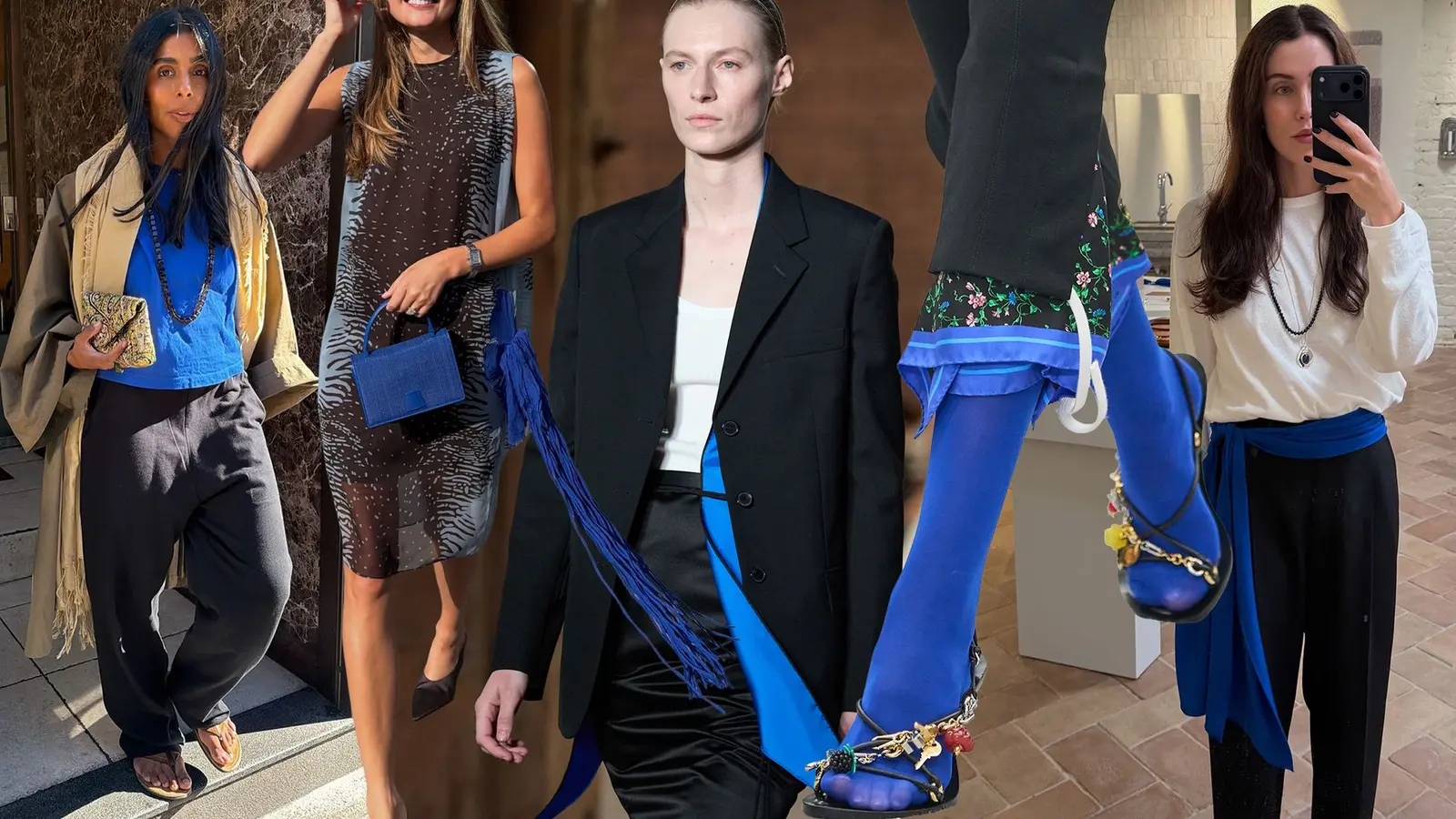 The Impending Rise of Cobalt Blue in 2027 Fashion
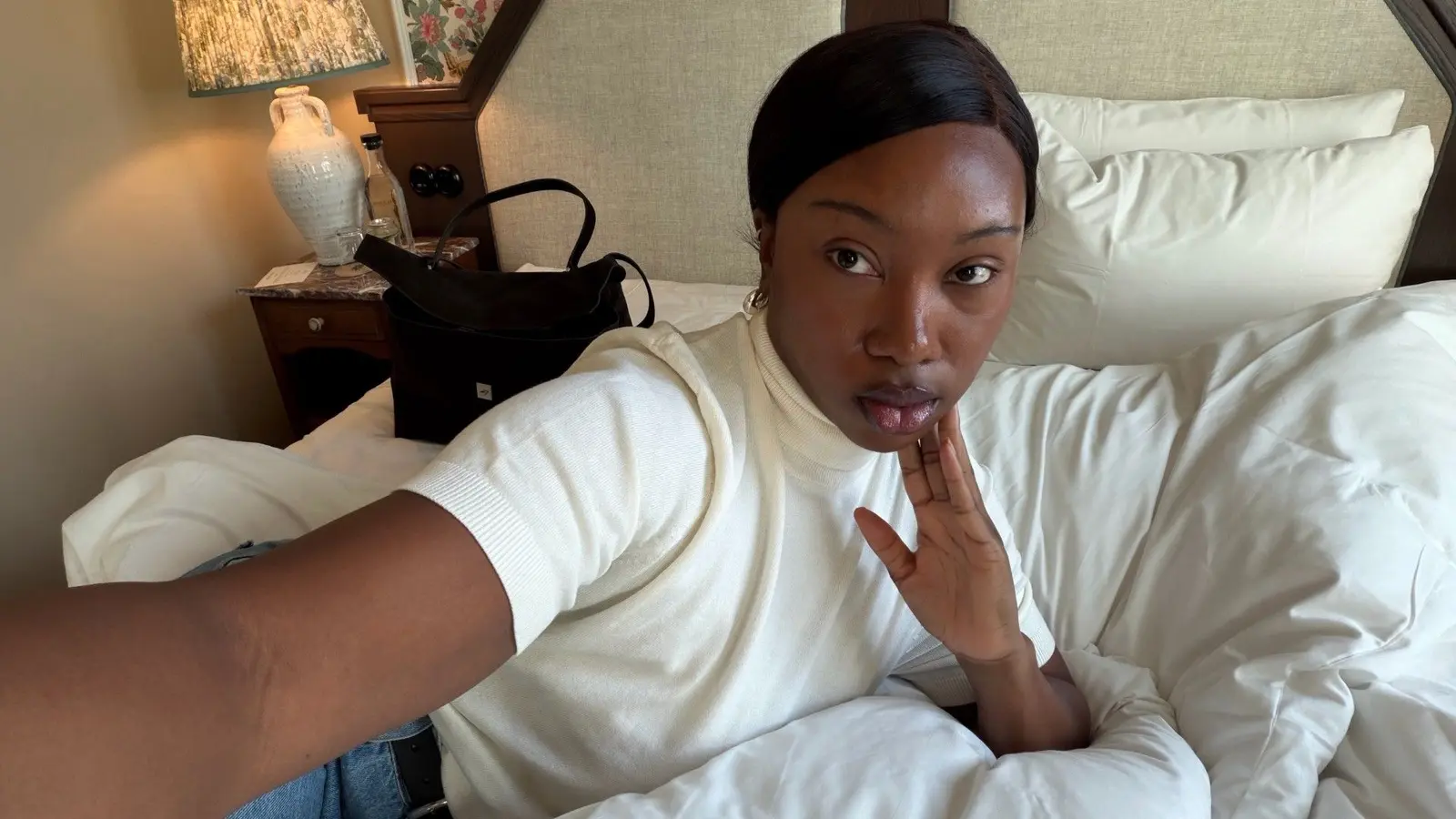 The Secret to a Flawless Autumn Complexion is Sunscreen Layering
Both brands have built reputations around delivering exceptional cushioning, but they approach it differently. Hoka tends to favor a rocker-shaped sole that promotes a smooth heel-to-toe transition, while Skechers often emphasizes a softer, more uniform foam feel throughout the midfoot. The tester noted that Hoka’s design felt more propulsive during running, especially at faster paces, whereas Skechers provided a cradling sensation ideal for long walks or recovery days. Arch support varied noticeably, with Hoka offering a more structured feel in the midfoot and Skechers delivering a plush, almost pillow-like underfoot experience.
Which Shoe Offers Better Value for Daily Use?
The Skechers model tested featured a wider toe box and a knit upper that conformed closely to the foot, reducing pressure points during prolonged wear. In contrast, the Hoka shoe had a more tapered fit with a reinforced heel cage that locked the foot in place securely. Testers reported that the Skechers felt immediately comfortable out of the box, requiring little to no break-in period. The Hoka, while initially feeling slightly rigid, improved after a few miles as the foam softened and adapted to the runner’s gait. Both shoes accommodated orthotics, but the Hoka’s deeper heel cup provided better stability for those needing motion control.
When considering durability and everyday versatility, the Skechers sneaker showed slightly better resistance to outsole wear on concrete surfaces, likely due to its broader rubber coverage. The Hoka, although lighter in weight, exhibited faster compression in the forefoot foam after repeated use. Price-wise, both models were positioned in the premium range, but Skechers often ran promotions that lowered the effective cost. For walkers seeking all-day comfort without a performance focus, Skechers presented a compelling option. Runners looking for a responsive, energetic ride tended to favor Hoka despite its higher maintenance needs over time.
Frequently Asked Questions
Is one shoe better for people with flat feet? The Hoka model generally offers more arch support and heel stability, making it a preferable choice for individuals with flat feet who need motion control. Skechers provides ample cushioning but less structural guidance.
Can these shoes be used for both walking and running? Yes, both shoes are designed for dual use, though Hoka leans more toward running efficiency while Skechers excels in walking comfort and standing support. Personal gait and distance should guide the final choice.