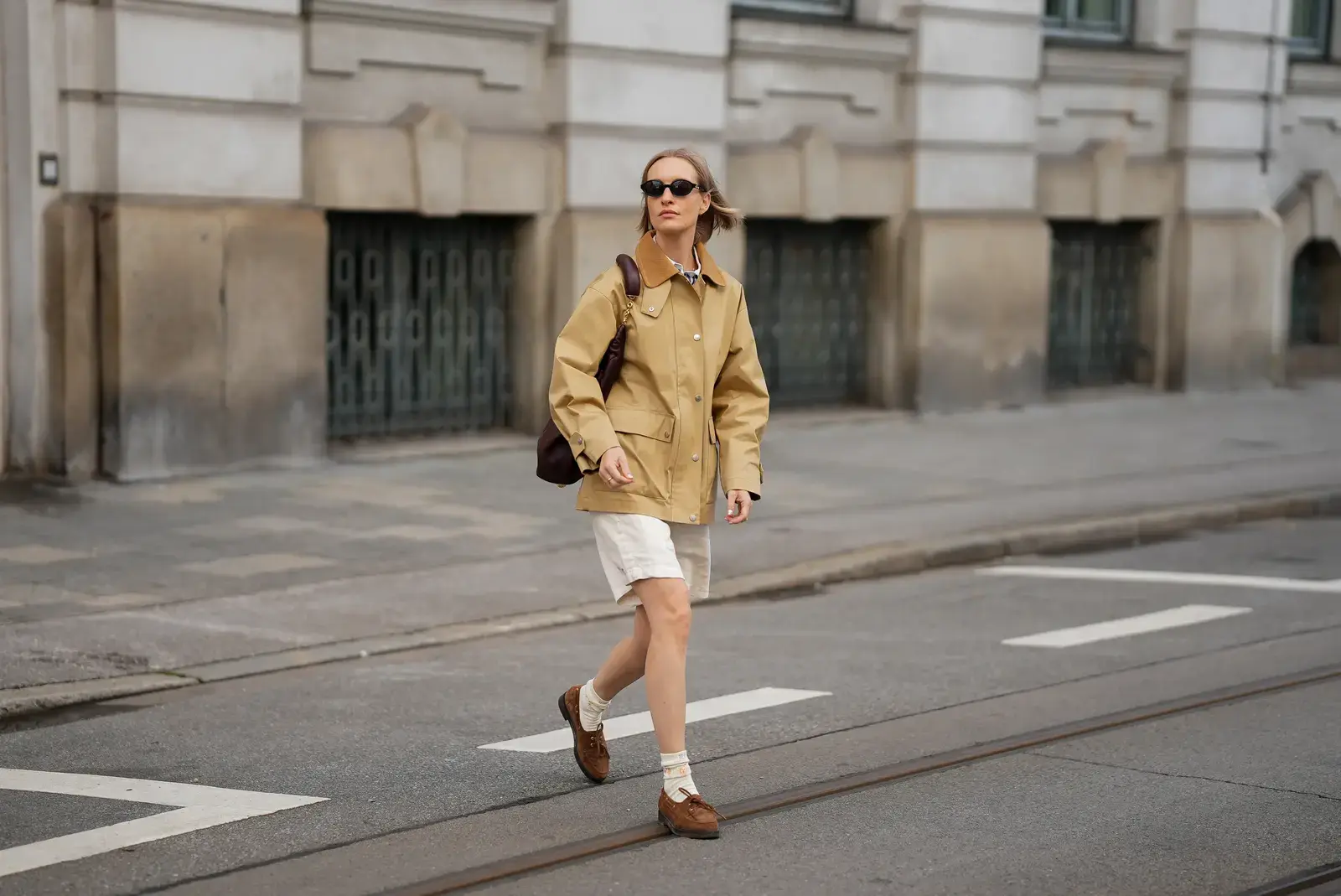
Soft Loafers Take Center Stage as Fall 2026’s Comfort Staple
Why Comfort Became the New Luxury
The latest footwear craze sweeping the runway and streets alike is the soft loafer. Designed for all-day wear, these shoes combine cushioned insoles with sleek, low‑profile silhouettes. They debuted at Paris Fashion Week and are now appearing in department stores across Europe, Asia, and North America.
Breaking News
 Hollywood Elite Honor Carpenter, Theron, and Domingo at Academy Museum Gala
 The Next Generation of Collagen: Small Peptides, Big Claims
 The Impending Rise of Cobalt Blue in 2027 Fashion
 The Secret to a Flawless Autumn Complexion is Sunscreen Layering
Soft loafers are engineered with memory‑foam footbeds, breathable mesh linings, and flexible rubber soles that adapt to foot shape. Designers emphasize lightweight construction and ergonomic arch support, making them ideal for commuters, business professionals, and casual shoppers. The trend reflects a broader shift toward functional fashion, where comfort no longer compromises style.
Fashion insiders note that the pandemic accelerated demand for shoes that feel good from morning to night. Retail analysts report a 30 % increase in sales of cushioned footwear during 2025, and soft loafers are now the fastest‑growing category. Brands like Maison de Lune and Urban Glide have introduced limited‑edition colors, such as muted navy and soft taupe, to appeal to eco‑conscious consumers.
Can Soft Loafers Replace Traditional Dress Shoes?
„People are looking for shoes that can keep up with their busy lives without sacrificing aesthetics,” says Jean‑Pierre Lemoine, head of product design at Maison de Lune. „Our soft loafers blend contemporary fashion with orthopedic benefits.” The use of recycled materials in some models also aligns with sustainability goals, attracting a younger demographic that values ethical production.
Many style experts wonder if these casual‑looking loafers will replace classic leather oxfords in office settings. Early surveys suggest that 45 % of professionals feel comfortable wearing soft loafers to work, citing reduced foot fatigue. However, corporate dress codes in finance and law still favor structured footwear.
„It’s a gradual transition,” notes fashion consultant Maya Chen. „Soft loafers are gaining acceptance, but they’re most likely to coexist with traditional shoes rather than replace them entirely.” The trend’s longevity may depend on continued innovation in materials and the expansion of formal‑wear guidelines to accommodate more relaxed silhouettes.
The Future of Footwear: Comfort Meets Couture
Retailers predict that the soft loafer trend will persist into 2027, with designers experimenting with hybrid designs that incorporate subtle embellishments while maintaining comfort. The market is expected to grow by 15 % annually, driven by rising demand for versatile, low‑maintenance shoes.
Consumers can anticipate a wider range of sizes, including extended widths, as brands respond to diverse foot shapes. The integration of smart technology—such as pressure‑sensing insoles—may become standard, offering real‑time feedback on posture and gait.
Frequently Asked Questions
What makes soft loafers more comfortable than regular loafers? Soft loafers feature memory‑foam footbeds, breathable linings, and flexible soles that contour to the foot, reducing pressure points and fatigue.
Are they suitable for formal occasions? Many soft loafers come in refined leather or patent finishes, making them acceptable for business casual settings. However, strict dress codes may still require traditional shoes.
Do they support long‑term foot health? Yes, the ergonomic design promotes proper arch support and reduces strain, which can help prevent common foot problems such as plantar fasciitis.