Spring 2027 fashion trends: 14 shifts in style
Why Lightness Dominates Spring 2027
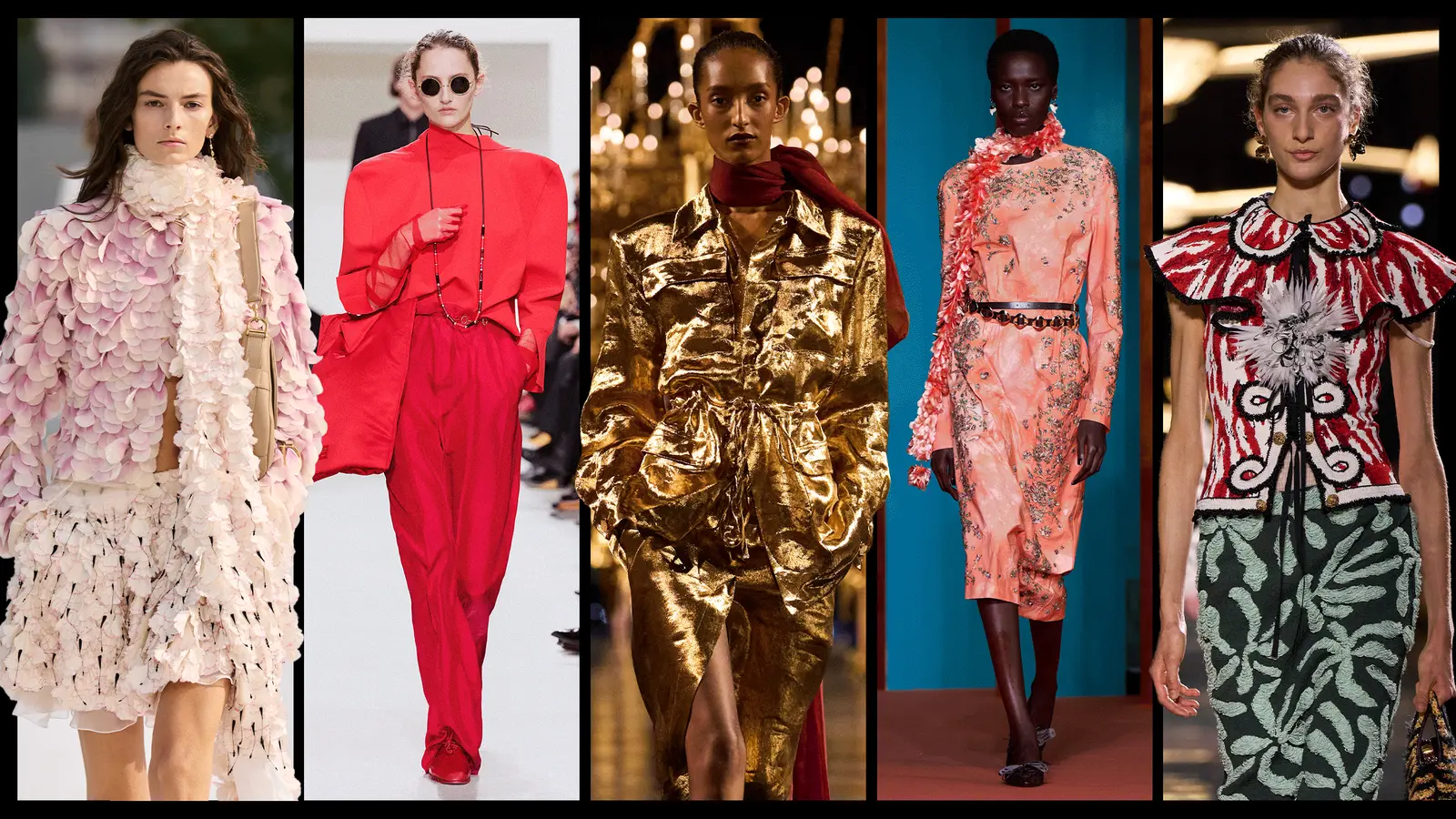
Major fashion houses unveiled their Spring 2027 collections, signaling a decisive break from rigid tailoring. Designers prioritized lightness and fluidity, moving away from heavy structure. The season’s defining mood is softness, with garments designed to float rather than contain the body.
Breaking News
 Hollywood Elite Honor Carpenter, Theron, and Domingo at Academy Museum Gala
 The Next Generation of Collagen: Small Peptides, Big Claims
 The Impending Rise of Cobalt Blue in 2027 Fashion
 The Secret to a Flawless Autumn Complexion is Sunscreen Layering
The collections feature chiffon blazers and silk balloon trousers. These pieces reflect a broader industry shift toward comfort and movement. Brands like Dior and Celi led this transition, setting the tone for the season.
Will Softness Replace Structure Permanently?
The emphasis on fluidity responds to a desire for ease in daily wear. Designers are shedding weight and restraint, creating clothes that move with the wearer. This approach contrasts sharply with previous seasons that favored structured silhouettes. The result is a wardrobe that feels effortless and breathable.
Industry observers note that this trend may signal a lasting change in fashion priorities. The move away from severity suggests a cultural shift toward comfort. As more brands adopt this philosophy, the fashion landscape could stabilize around softer, more flexible designs.
What defines the Spring 2027 fashion mood? Lightness and fluidity define the season. Designers are prioritizing softness over rigidity, creating garments that float around the body.
Frequently Asked Questions
Which brands led this trend? Dior and Celi were among the first to showcase chiffon blazers and silk trousers. Their collections set the tone for the broader industry shift.
How does this differ from previous seasons? Previous seasons favored structured, severe tailoring. Spring 2027 marks a clear departure toward light, fluid, and soft designs.