Tactile Design Counters AI Boom in Beauty Packaging
The Rise of Sensory Surfaces in Cosmetics
London Packaging Week recently highlighted a major shift in the beauty sector toward handcrafted aesthetics and physical connection, as consumers increasingly rebel against a world dominated by digital screens and artificial intelligence.
Breaking News
 Hollywood Elite Honor Carpenter, Theron, and Domingo at Academy Museum Gala
 The Next Generation of Collagen: Small Peptides, Big Claims
 The Impending Rise of Cobalt Blue in 2027 Fashion
 The Secret to a Flawless Autumn Complexion is Sunscreen Layering
Industry professionals gathered in the British capital to showcase how tactile finishes, artisanal details, and human-made craftsmanship are becoming essential tools for brands wanting to stand out in an automated era.
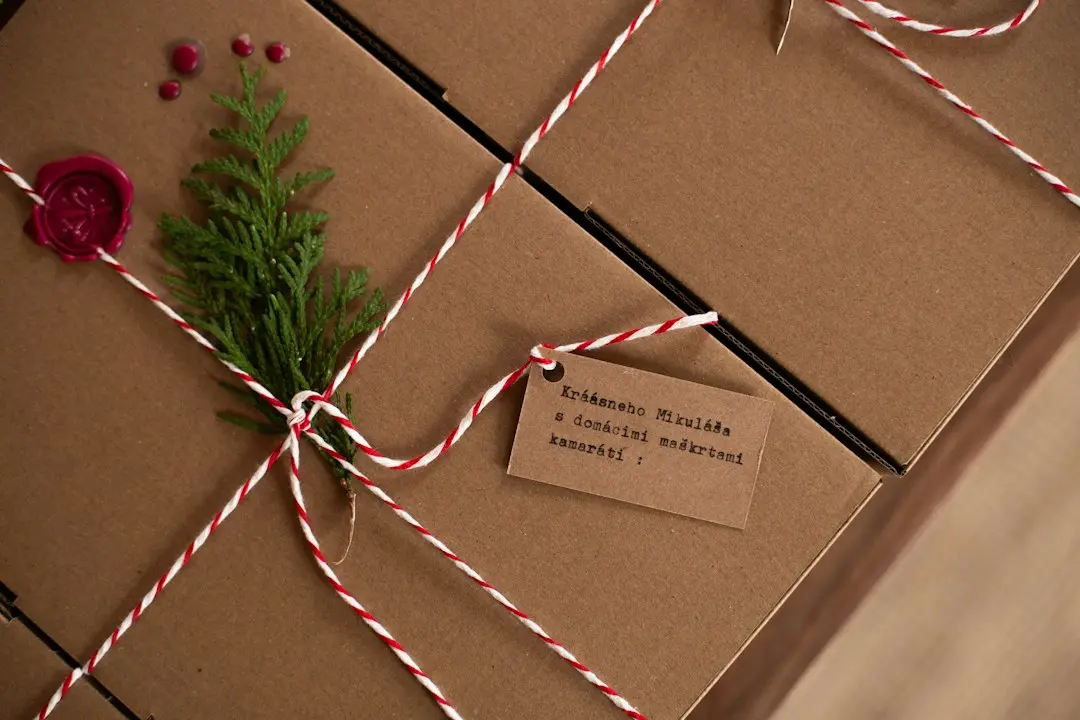
As algorithms dictate more of daily life, beauty enthusiasts seek comfort through physical materials that engage the senses. Brands are moving away from sterile, minimalist containers and embracing textured paper, embossed logos, and weightier materials that feel significant in the hand.
Can Packaging Reclaim Our Human Connection?
This tactile revolution represents a deliberate pushback against digital fatigue. Designers are utilizing traditional manufacturing techniques to inject warmth and personality into everyday beauty items, creating an intimate bond between the product and the buyer.
The integration of artisanal elements allows cosmetics companies to tell a deeper story about authenticity and care. Every crease, unique pattern, and handcrafted flourish serves as a reminder of human ingenuity, contrasting sharply with the cold perfection of machine-generated designs.
Frequently Asked Questions
Ultimately, this sensory-focused approach ensures that physical retail retains a distinct advantage over online shopping by offering a genuinely memorable physical encounter.
What drove the shift toward tactile beauty packaging? The rapid rise of artificial intelligence and screen saturation caused consumers to seek out physical, human-made experiences in their everyday products.
How are brands achieving this artisanal look? Designers are utilizing embossed logos, textured paper stocks, and traditional manufacturing methods to create heavier, more engaging containers.