The High Stakes of Beauty Retail Longevity
The Financial Burden of Shelf Space
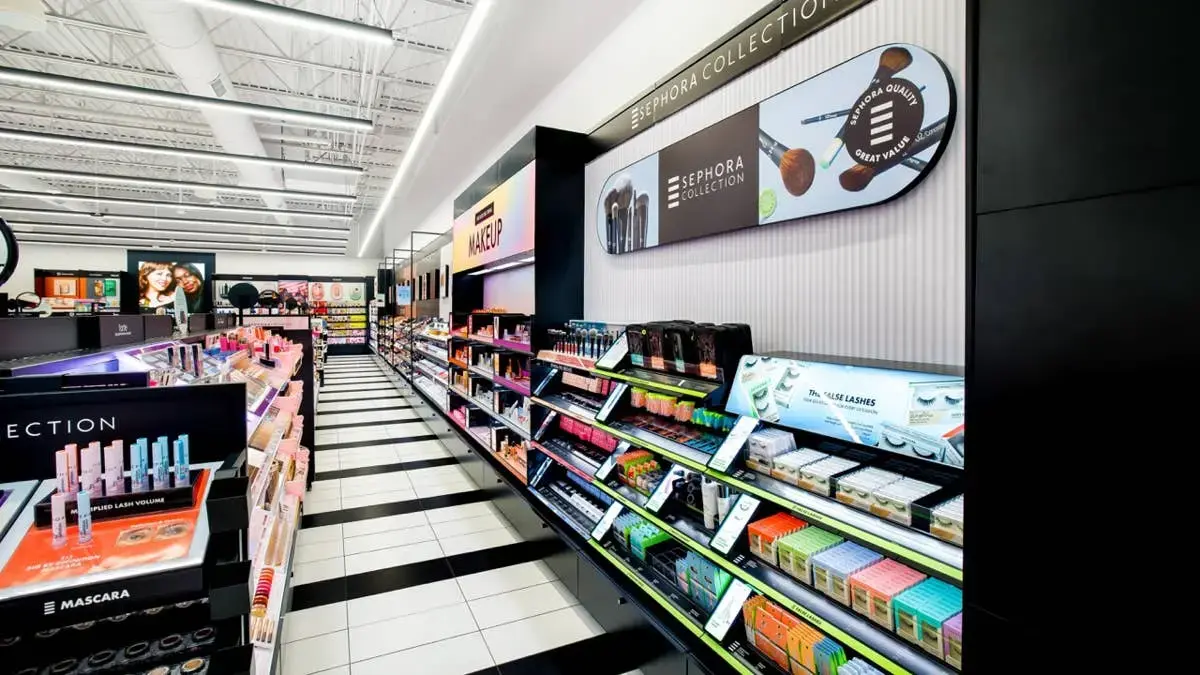
Securing a spot on the shelves of major beauty retailers has long been the gold standard for emerging cosmetic brands. For years, a partnership with industry giants like Sephora or Ulta signaled instant legitimacy and massive growth. However, the modern retail environment is shifting, turning these coveted placements into high-pressure tests of brand survival rather than guaranteed success stories.
Breaking News
 Hollywood Elite Honor Carpenter, Theron, and Domingo at Academy Museum Gala
 The Next Generation of Collagen: Small Peptides, Big Claims
 The Impending Rise of Cobalt Blue in 2027 Fashion
 The Secret to a Flawless Autumn Complexion is Sunscreen Layering
The landscape for independent labels has become increasingly unforgiving. While landing a national launch once promised overnight fame, current market conditions demand more than just a strong product. Retailers are now imposing stricter inventory requirements and tighter profit margins. Brands that fail to maintain rapid sales velocity often find themselves removed from shelves just as quickly as they arrived.
Operating within a national retail chain requires significant capital and operational agility. Brands must manage complex supply chains to ensure constant product availability. Failure to meet these logistical demands can lead to heavy financial penalties. Furthermore, the cost of marketing and in-store promotions often falls squarely on the brand, eating into already thin profit margins.
Is Retail Expansion Worth the Risk?
Many founders now realize that retail placement is merely the beginning of a grueling race. Without a robust digital presence and a loyal customer base, the cost of maintaining a physical footprint can become unsustainable. Retailers are prioritizing brands that drive their own traffic, leaving smaller labels to shoulder the burden of customer acquisition entirely on their own.
The pressure to perform has forced many companies to reconsider their growth strategies. Some brands are choosing to focus on direct-to-consumer sales to maintain higher margins and better control over their customer data. Others are opting for smaller, curated partnerships that offer more support and less risk than massive national rollouts.
Frequently Asked Questions
Ultimately, the prestige of a major retail launch is no longer a safety net. Brands must now balance the visibility of physical stores with the reality of slim margins and strict performance metrics. Those that survive will be the ones that treat retail as a strategic tool rather than a final destination for growth.
Why is retail placement harder to maintain today? Retailers have implemented stricter inventory requirements and tighter profit margins. Brands that do not meet these rigorous sales targets are frequently dropped to make room for newer products.
What is the biggest challenge for new beauty brands? The primary challenge is balancing the high cost of national retail operations with the need for consistent brand growth. Many brands struggle to sustain the marketing and logistical expenses required to stay on shelves.