The Louis Vuitton Spring 2027 Collection Reimagines the Louvre Courtyard
From Heritage to Hyper‑Modern: The Design Philosophy
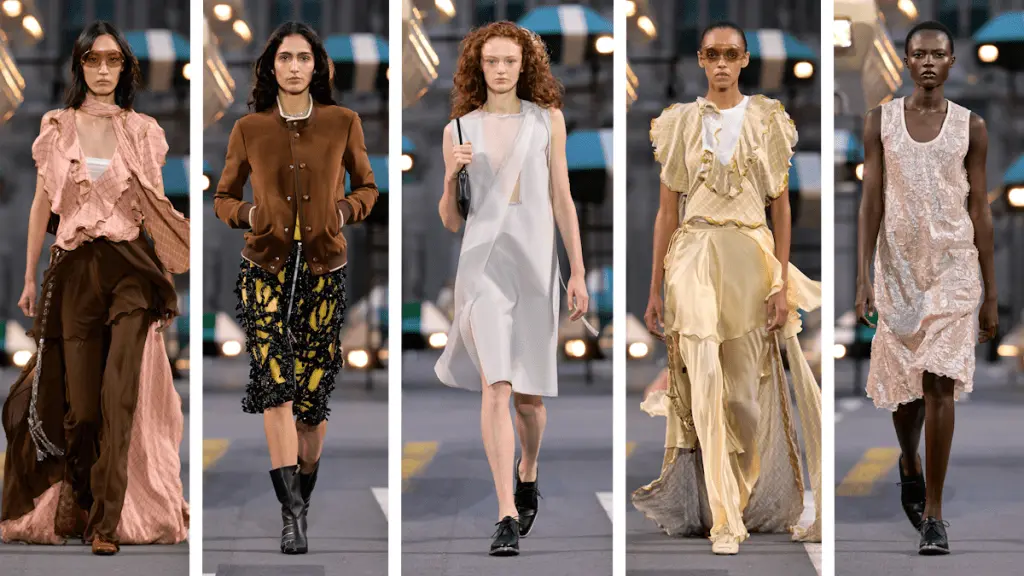
On the final day of Paris Fashion Week, the Fédération de la Haute Couture et de la Mode showcased Nicolas Ghesquière’s Spring 2027 collection for Louis Vuitton. The designer transformed the iconic Louvre courtyard into a retro-inspired car park, where models such as Awar Odhiang and Mona Tougaard walked out of the gates and onto the runway.
Breaking News
 Hollywood Elite Honor Carpenter, Theron, and Domingo at Academy Museum Gala
 The Next Generation of Collagen: Small Peptides, Big Claims
 The Impending Rise of Cobalt Blue in 2027 Fashion
 The Secret to a Flawless Autumn Complexion is Sunscreen Layering
Ghesquière returned to the Louvre for a second time, this time turning the historic space into a nostalgic parking lot complete with vintage cars and a pop‑up shop. The setting echoed the brand’s heritage while hinting at a future that embraces unexpected contexts. The collection’s aesthetic was described as „refreshing” by forum members, who praised its playful juxtaposition of classic Louis Vuitton motifs with contemporary street‑wear elements.
Ghesquière’s approach blended the brand’s storied past with a forward‑looking vision. He incorporated the iconic monogram in a deconstructed manner, pairing it with oversized silhouettes and unexpected color blocking. The models’ movements were choreographed to mimic the fluidity of a car’s motion, reinforcing the parking theme. The choice of the Louvre courtyard allowed the designer to play with light and shadow, creating a dynamic backdrop that highlighted the garments’ textures.
How Did the Audience React? A Question of Reception
Forum members noted that the collection’s „concise” nature was evident in its minimalist yet bold statements. The runway was segmented into short bursts of performance, each segment showcasing a different facet of the brand’s identity. The use of recycled materials in some pieces underscored a commitment to sustainability, aligning with the broader fashion industry’s shift toward eco‑friendly practices.
The reception from the crowd was overwhelmingly positive. Attendees praised the collection’s originality and the seamless integration of the car‑park concept with the Louvre’s architecture. Many commented that the show felt like a „time capsule” that bridged past and present. Critics highlighted the designer’s ability to maintain brand continuity while experimenting with new forms, a balance that has become increasingly rare in high fashion.
The show’s success also sparked conversations about the role of heritage sites in contemporary fashion. Designers are now more willing to repurpose iconic locations, turning them into living canvases that reflect modern narratives. This trend signals a shift toward more immersive, experiential presentations that go beyond traditional runway formats.
The Future of Louis Vuitton: What Comes Next?
With the Spring 2027 collection setting a new benchmark, Louis Vuitton is poised to continue its exploration of unconventional venues and sustainable materials. The brand’s partnership with the Louvre may pave the way for future collaborations that blend art, architecture, and fashion. Ghesquière’s emphasis on concise storytelling could influence upcoming designers to focus on impactful, short‑form presentations.
The collection’s success also reinforces Louis Vuitton’s position as a leader in luxury innovation. By merging heritage with cutting‑edge design, the brand is likely to attract a younger, more environmentally conscious audience. This strategic direction may shape the industry’s trajectory, encouraging other luxury houses to rethink their own narratives and presentation methods.
Frequently Asked Questions
What was the main theme of Ghesquière’s Spring 2027 collection? The theme revolved around a retro‑inspired car park set in the Louvre courtyard, blending vintage elements with contemporary fashion.
How did the setting influence the design choices? The historic backdrop allowed for playful contrasts, using light and shadow to highlight textures and incorporating recycled materials to emphasize sustainability.
What impact might this show have on future fashion presentations? It could encourage designers to use iconic locations and concise storytelling, fostering more immersive and environmentally conscious shows in the luxury sector.